210 Million Americans to Vote Tomorrow: Democrats Need Four Seats to Flip Republican Majorities
Nov 2, 2026
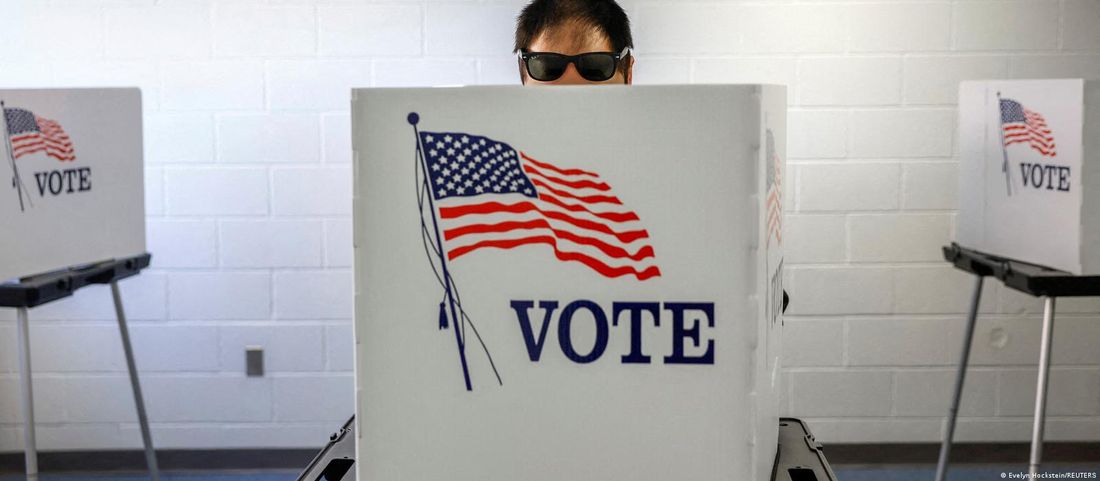
Nearly 210 million American voters are expected to cast their ballots tomorrow, Tuesday, in the U.S. midterm congressional elections. Voters will choose 35 of the 100 seats in the Senate and all 435 seats in the House of Representatives.
Midterm elections in the United States take place two years after a presidential election. They allow voters to elect all members of the House of Representatives, along with one-third of the Senate. Their results can directly affect the White House occupant's legislative agenda during the remainder of the presidential term.
The University of Florida's Election Lab reported that more than 52 million Americans have already cast their ballots, either in person or by mail. This is a record for a midterm election and exceeds the approximately 46 million voters who had cast their ballots before Election Day in 2022. Congressional election results are expected to begin emerging tomorrow evening, Tuesday.
The Republican Party currently holds narrow majorities in both chambers of Congress, the House and the Senate. Opinion polls indicate that Democrats are favored to win a majority in the House of Representatives, while they face a close contest for control of the Senate. The outcome is likely to be decided by races in just a handful of states.
Democrats need to gain four seats in each chamber to overturn the Republicans' narrow majorities. This would give Democrats a 218–214 majority in the House and a 53–47 majority in the Senate. Polls favor Democrats in the House race, while the Senate contest remains undecided.
Approximately $11 billion has been spent on advertising during the midterm election campaign. A significant portion of the spending came from wealthy individual donors, including billionaire Elon Musk, a close ally of Trump, who contributed an enormous sum of nearly half a billion dollars to support Republican candidates.
According to a report by Al Jazeera, concerns are looming over the possibility that Republicans may refuse to accept defeat if they lose to Democrats, potentially triggering a constitutional crisis similar to Trump's attempt to overturn his defeat in the 2020 presidential election against Democratic candidate Joe Biden.
Democrats and many Republicans have described these elections as a referendum on the policies of U.S. President Donald Trump.
If Democrats gain control of either the House of Representatives or the Senate, they will be able to obstruct Trump's legislative agenda during the final two years of his term and launch investigations into his administration.