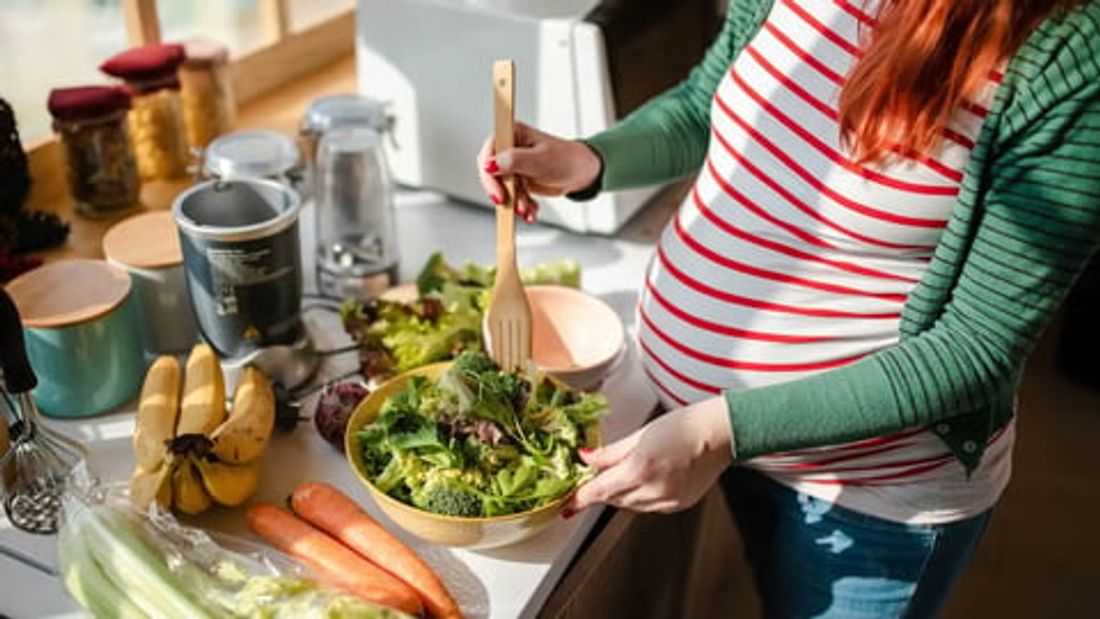
During pregnancy, women need to pay close attention to the types of foods and drinks they consume to meet their changing bodily needs and provide the essential nutrients required for the baby's development.
This does not mean following a strict diet or giving up favorite foods. Rather, it involves making simple adjustments to choose more nutritious options.
According to Parents, nutrition experts recommend five dietary changes that can help pregnant women improve their eating habits:
1\. Replace Refined Grains with Whole Grains
Brown rice, as well as whole-grain bread and pasta, are recommended over their white alternatives because they contain fiber and nutrients that are lost during the refining process. Fiber also helps improve digestion and relieve constipation, a common problem during pregnancy.
2\. Eat a Variety of Fruits and Vegetables
It is best to include different types of fruits and vegetables in the diet, choosing organic produce when available and affordable. These foods provide essential nutrients for fetal development, including iron, calcium, fiber and folate. They should also be washed thoroughly before consumption, particularly when organic produce is unavailable.
3\. Limit Foods High in Salt
Excessive sodium intake may contribute to fluid retention and is also associated with high blood pressure. Therefore, it is best to reduce processed foods, such as canned soups and frozen meals, and pay attention to the amount of salt in ready-made products.
4\. Diversify Protein Sources
The body needs protein to support tissue and muscle development. It can be obtained from thoroughly cooked meat and poultry, as well as beans, nuts, legumes and soy products. It is also important to include iron-rich foods, such as fortified cereals, dried apricots, dried figs and quinoa.
5\. Make Water Your Main Drink
Drinking water regularly helps meet the body's needs during pregnancy, and it is preferable to choose it over sugary drinks. As for juices, they should be consumed in moderation, with natural varieties containing no added sugar being the preferred option. Whole fruits are also a better source of fiber, which is generally absent from juice.
In all cases, women are advised to consult their doctors about their nutritional needs during pregnancy, choose appropriate supplements, and address any food allergies or dietary restrictions to ensure that both mother and baby receive the essential nutrients they need.
𝗦𝗼𝘂𝗿𝗰𝗲: 𝗘𝗿𝗲𝗺 𝗡𝗲𝘄𝘀