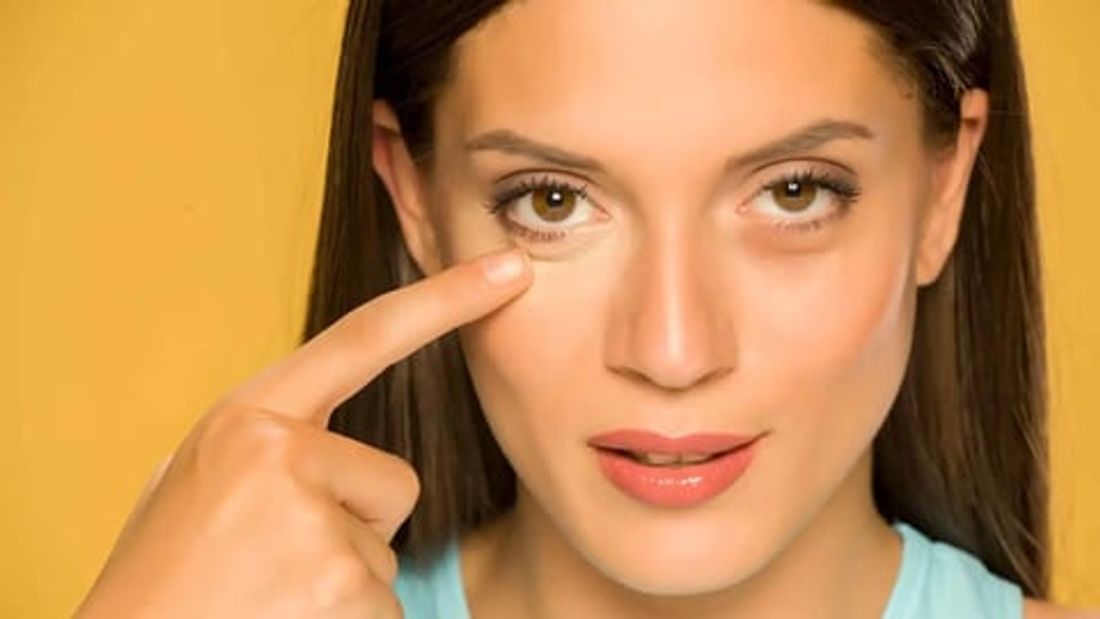
Medical studies and research on skin health indicate a link between iron deficiency and the appearance of dark circles under the eyes, clinically known as periorbital hyperpigmentation. Although topical cosmetic products are commonly used to address the issue, scientific evidence suggests that internal physiological factors also play a significant role in its appearance.
Observational studies involving people with periorbital hyperpigmentation found that between 41% and 50% of participants also had iron-deficiency anemia. Many reported an improvement in the appearance of their dark circles after receiving treatment for anemia.
Researchers attribute this association to several possible physiological explanations, most notably reduced tissue oxygenation resulting from decreased production of hemoglobin, the protein responsible for transporting oxygen. This can affect the thin skin surrounding the eyes.
A reduction in red blood cells can also cause overall skin paleness, increasing the contrast between shadows and blood vessels beneath the thin under-eye area and making them more visible. Persistent fatigue and exhaustion associated with iron deficiency may also contribute indirectly.
Other Factors
Scientific reviews classify dark circles as a multifactorial condition. Other major causes include genetic factors and increased melanin deposition, as well as allergies, which can cause congestion or lead to frequent rubbing of the eyes.
Aging and the loss of collagen and fat can also cause the area to become hollow, while natural skin thinning, sleep disturbances, and insufficient rest may further contribute to their appearance.
Scientific sources emphasize that having dark circles alone does not necessarily indicate iron deficiency. However, when they occur alongside other symptoms such as fatigue, paleness, or shortness of breath, laboratory tests such as a complete blood count and a ferritin test to measure iron stores are recommended.
Medical guidance also stresses the importance of consulting a doctor before taking iron supplements to avoid potentially toxic iron accumulation. It is also advisable to support the diet with animal and plant sources of iron and enhance iron absorption by consuming them alongside vitamin C.
Source: Erem News