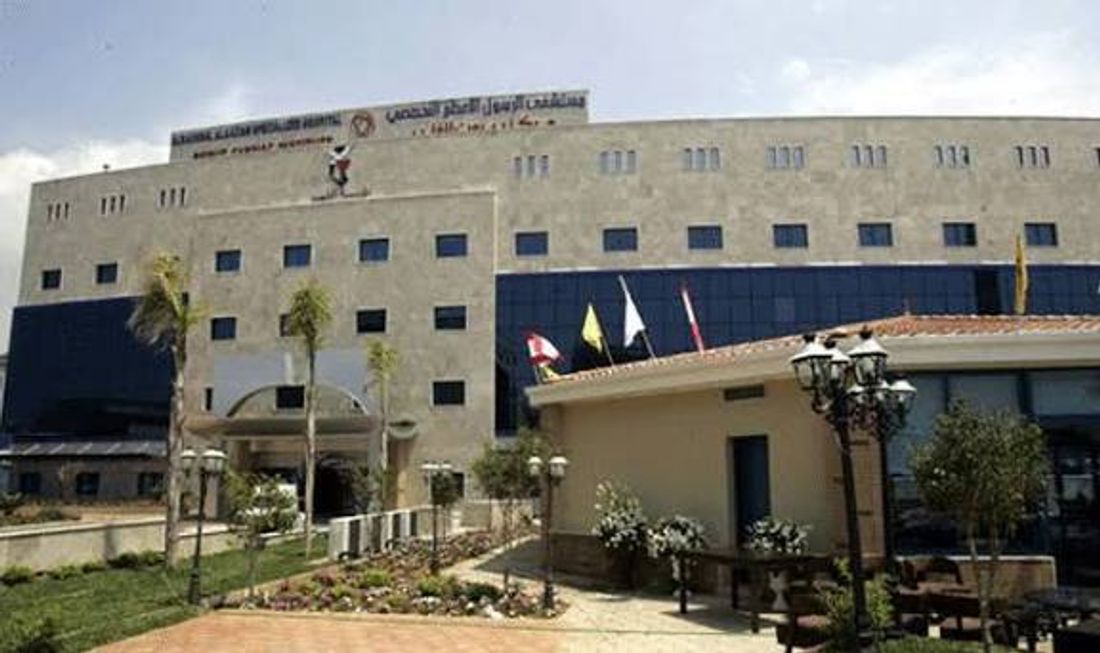
Al-Akhbar newspaper revealed that, “As part of Banque du Liban Governor Karim Said’s compliance with American dictates, Banque du Liban circulated a notice to its employees yesterday suspending medical approvals and coverage at Al-Rasoul Al-Aazam Hospital and the Lebanese Medical Center (LMC), making employees responsible for any expenses incurred at these two institutions.”
According to the circular, medical approval requests related to the two hospitals will be rejected. Employees and beneficiaries were asked to coordinate with their doctors to transfer any planned hospital admissions, surgeries, or treatments to another hospital within the bank’s approved medical network.
Meanwhile, Al-Modon reported that Banque du Liban directly provides healthcare coverage for its employees. It has contracted an insurance company to manage the coverage file, organize names and identification numbers, and follow up on invoices, without the company itself being responsible for providing the medical coverage. The bank directly settles payments owed to hospitals.
Employees carry medical cards bearing the name of Banque du Liban as the entity responsible for their healthcare coverage. This gives the bank the freedom to contract with hospitals of its choice, while remaining committed to implementing international sanctions. For this reason, according to the information, the bank suspended healthcare coverage for its employees at Al-Rasoul Al-Aazam Hospital and the Lebanese Medical Center (LMC).
Sources at Banque du Liban also told Al-Modon that the Central Bank's commitment to international sanctions could eventually lead to the suspension of dealings with any company, institution, or entity whose name appears on sanctions lists, including hospitals and insurance companies, as new lists are awaited.
Meanwhile, sources at Banque du Liban told LBCI that the Central Bank is keen to issue periodic circulars and warnings to its employees regarding entities and individuals included on international sanctions lists. They stressed that this measure falls within the bank's routine administrative and supervisory procedures and carries no political implications or other underlying motives.
The sources further emphasized that “Banque du Liban does not take such considerations into account when dealing with its employees. Rather, it applies to them the same laws and prohibitions that it requires entities under its supervision to comply with, without exception or discrimination.”