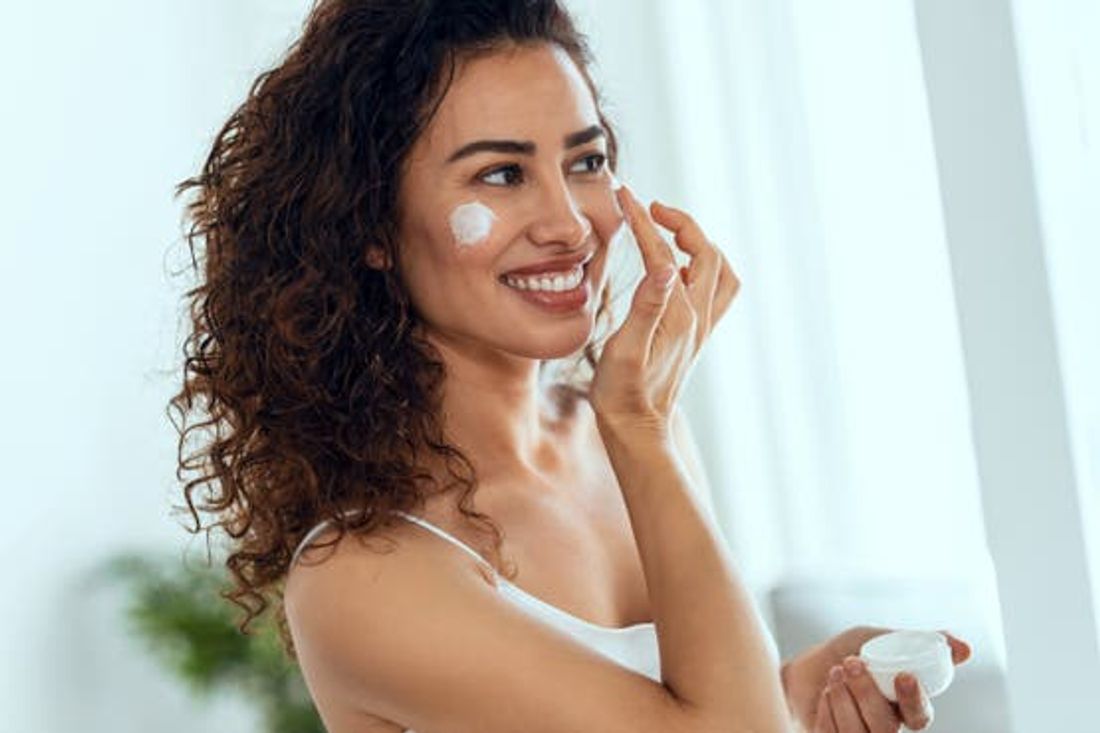
Imagine a skincare product with the texture of a frozen dessert that serves as an everyday moisturizer. This idea, which sounds more like a sensory innovation than a breakthrough in cosmetic formulations, helps explain the appeal of Sorbet Moisturizers, which have carved out a place for themselves in the skincare world. They offer hydration through a light, refreshing texture that melts into the skin quickly, leaving it feeling soft without the heavy layer associated with some traditional creams.
Behind this formulation lies a story of evolution in the cosmetics industry, alongside changing consumer preferences and a growing demand for products that combine effectiveness with comfortable formulas and an enjoyable sensory experience.
From an Idea to a Beauty Trend
Sorbet cream cannot be considered a recent invention, as it developed gradually as part of the beauty industry's move towards creating new moisturizer formulations. One of the early milestones documenting this trend was the launch of The Body Shop's Vitamin E Aqua Boost Sorbet in 2014. This facial moisturizer combined a lightweight gel-like texture with a refreshing feel and long-lasting hydration.
By 2016, sorbet formulations had begun appearing more prominently in skincare products, offering a combination of relatively intensive hydration and a lightweight texture suited to warm weather. The spread of Asian beauty innovations, particularly Korean skincare, then helped boost interest in water-based and airy formulas that allow multiple products to be layered without making the skin feel heavy.
This shift was part of a broader change in the concept of moisturization. As beauty content spread across social media platforms, distinctive formulas gained even more visibility, while the experience of applying a product, photographing it and exploring its texture became factors that helped drive its popularity.
This prompted cosmetic laboratories, beginning in 2018, to introduce products in a variety of formulations, ranging from water-based gels to airy and gel-like creams. Beauty companies also began paying greater attention to the sensory effects of skincare products, recognizing that these can influence consumers' willingness to use them regularly.
What Sets It Apart
Sorbet cream occupies a middle ground between gel moisturizers and traditional creams. It features an airy or whipped texture that appears firm inside the container but transforms, when spread over the skin, into a thin layer that glides on easily and is absorbed relatively quickly. Hydrating gels, by contrast, typically have a transparent or semi-transparent water-based consistency that provides a light, refreshing sensation. Traditional creams, meanwhile, contain richer oil-based formulations, making them suitable for creating a more protective layer and reducing water loss from the skin's surface.
It is important to clarify that the term "sorbet" describes the product's texture and sensory experience; it is not a medical classification or a standardized chemical formulation. Therefore, the properties of these products vary depending on the proportions of water, oils, moisturizing agents and active ingredients used in each formula.
Hydrating and Skincare Ingredients
The ingredients used in sorbet formulations vary according to their intended cosmetic purpose. Hyaluronic acid and glycerin are among the leading moisturizing agents, helping attract water and retain it in the skin's upper layers, giving the skin a temporarily smoother and plumper appearance.
Ceramides are added to some formulations to support the skin's protective barrier and reduce moisture loss, while niacinamide is used to help improve the appearance of pores, regulate oil production and support skin barrier function. Vitamin C is included in formulas targeting dullness and uneven skin tone, while Centella asiatica extracts are used for their soothing properties.
The importance of these ingredients lies in the fact that a lightweight texture does not necessarily mean a simple formula or limited effectiveness. A product can combine hydration with ingredients that target specific skin concerns, provided its formulation is carefully developed and suitable for the skin's tolerance.