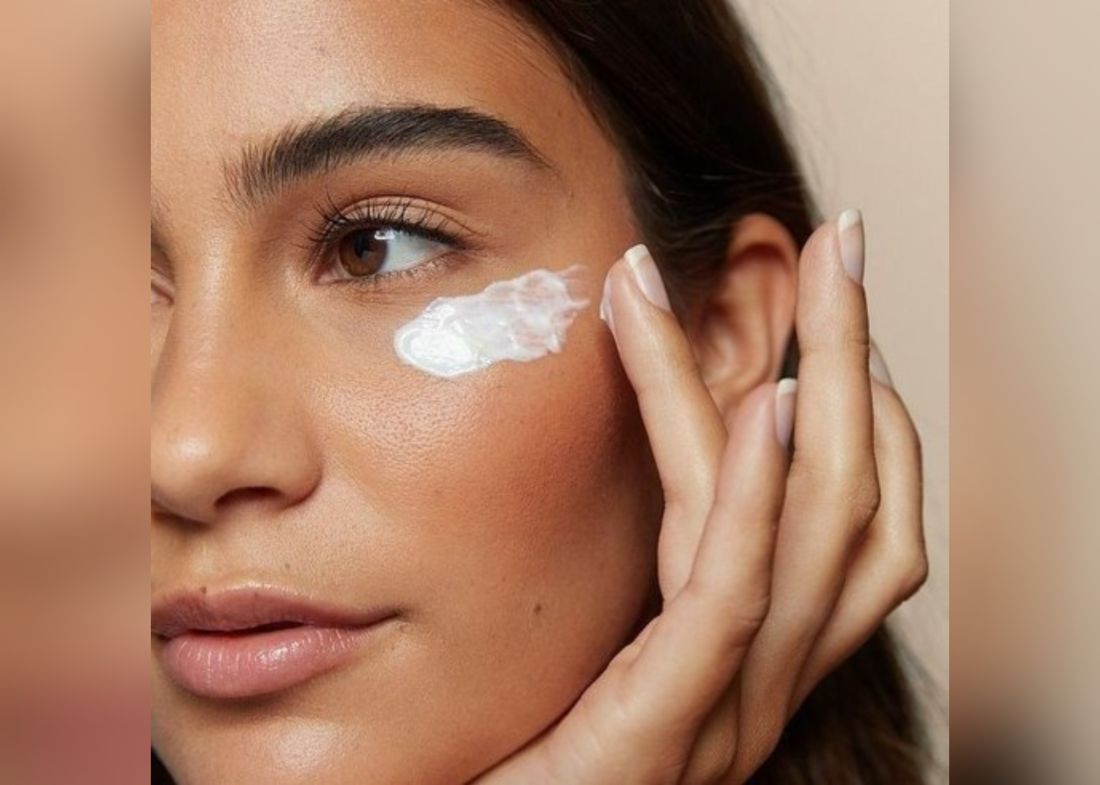
Dryness around the eyes is a common skincare concern during winter, as low temperatures, dry air, and indoor heating can leave the delicate skin surrounding the eyes feeling tight and rough. Unlike other areas of the face, the skin around the eyes is thinner and contains fewer oil glands, making it more prone to moisture loss and environmental changes. As temperatures drop, maintaining skin hydration becomes increasingly important to prevent dryness, irritation, and the appearance of fine lines. Giving this delicate area extra care during the colder months helps preserve its softness, comfort, and healthy appearance.
Dryness Around the Eyes
The skin surrounding the eyes requires a different skincare approach, especially during winter, when environmental conditions can weaken its moisture barrier and increase sensitivity. Understanding the causes of this dryness is the first step toward protecting the area and choosing the right products. Here are the main reasons the eye area needs special care during winter.
1\. Thinner, More Sensitive Skin
The skin around the eyes is naturally thinner than the rest of the face, making it more vulnerable to external factors and moisture loss. Because it has fewer oil glands responsible for producing natural oils, it cannot retain moisture as effectively as other facial areas. During winter, when cold weather and dry air place additional stress on the skin, this natural vulnerability becomes more noticeable, leading to tightness, flaking, and increased sensitivity.
2\. Cold Weather Weakens the Skin Barrier
Low temperatures, cold winds, and sudden changes between outdoor and indoor environments can affect the skin's protective barrier, making it harder for the skin to retain moisture. When this barrier weakens, moisture escapes more easily, leaving the delicate eye area feeling dry and uncomfortable. Repeated exposure to these conditions may also increase irritation, particularly among people with sensitive skin or those who experience dryness throughout the year.
3\. Indoor Heating Increases Moisture Loss
Although spending time indoors provides protection from cold winds, heated environments can present another challenge for the skin. Central heating and air conditioners operating in heating mode reduce indoor humidity, contributing to moisture loss and making the skin feel increasingly dry. The eye area is particularly affected because of its delicate structure, meaning that spending long hours in warm rooms may worsen dryness even when there are no obvious signs of irritation.
4\. Hot Showers
Taking hot showers and washing the face with very warm water are common winter habits, but they can strip the skin of its natural oils and interfere with its ability to retain moisture. This can be particularly problematic around the eyes, where natural protective oils are already limited. Using lukewarm water and avoiding harsh cleansers helps preserve the skin barrier while reducing the risk of dryness and irritation.
5\. Fine Lines Become More Noticeable
When the skin around the eyes lacks sufficient moisture, fine lines may become more visible because dryness affects its smoothness and elasticity. These lines are not necessarily permanent signs of aging, as some may become less noticeable once the skin is adequately hydrated. During winter, using a suitable eye cream can help moisturize the area, improve the appearance of dryness, and maintain a smoother-looking eye contour.
6\. The Eye Area Becomes More Prone to Sensitivity
Dryness affects not only the skin's appearance but may also make the eye area more sensitive to skincare products, fragrances, and environmental irritants. Rubbing the eyes, using potent active ingredients, or applying unsuitable moisturizers may worsen the problem. Choosing gentle, fragrance-free products specifically designed for the eye area can help reduce discomfort and support the skin's natural protective barrier.
How to Protect the Eye Area During Winter
Keeping the eye area hydrated throughout winter requires a consistent and gentle skincare routine. Choose an eye cream containing ingredients such as hyaluronic acid, ceramides, glycerin, or peptides, which help hydrate the skin and maintain its protective barrier.
Apply a small amount using your ring finger, gently patting it around the orbital bone without pulling or rubbing the skin. Avoid excessive exfoliation, maintain adequate hydration throughout the day, and use sunscreen even during the colder months, as UV exposure remains an important factor in skin aging.
With the right daily care, the delicate eye area can remain comfortable, hydrated, and healthy throughout winter.