Smart device security is no longer based exclusively on fingerprint scanning or facial recognition. Motion analysis technologies are opening the door to a new way of verifying users’ identities, based on the way they walk.
Using accelerometers, gyroscopes, and artificial intelligence software, it is now possible to analyze subtle details of body movement and turn them into a digital pattern that may be unique to each individual. This could pave the way for using gait recognition in the future to secure smartphones, unlock smart doors, and enhance digital security.
𝗘𝘃𝗲𝗿𝘆 𝗣𝗲𝗿𝘀𝗼𝗻 𝗛𝗮𝘀 𝗮 𝗨𝗻𝗶𝗾𝘂𝗲 𝗠𝗼𝘃𝗲𝗺𝗲𝗻𝘁 𝗣𝗮𝘁𝘁𝗲𝗿𝗻
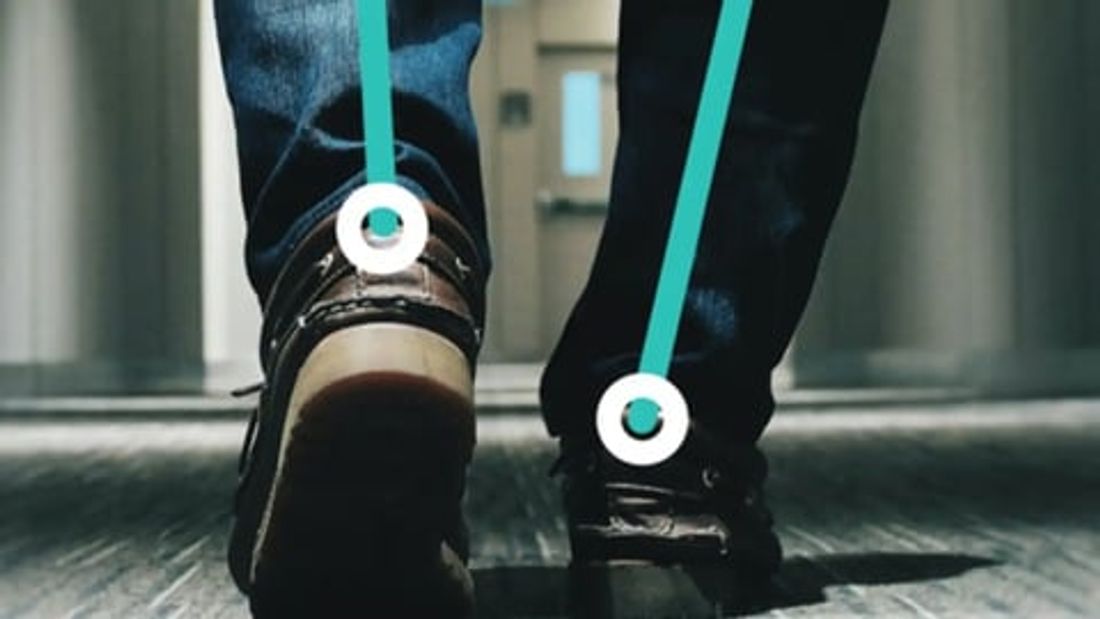
The idea of identifying people through the way they walk is based on the fact that body movements differ from one person to another, even when they walk at the same speed. Stride length, walking rhythm, arm movements, body balance, and the angle at which the foot touches the ground all form a set of characteristics that can be analyzed to identify a distinctive movement pattern.
This technology collects motion data and analyzes it using specialized software to create a digital profile of the user's walking style. When the movement is repeated, new data can be compared with the previously recorded pattern to determine whether the person carrying the device is actually its owner.
𝗠𝗼𝘁𝗶𝗼𝗻 𝗔𝗻𝗮𝗹𝘆𝘀𝗶𝘀
Smartphones and smartwatches have sensors capable of continuously recording movement details. The most notable are the accelerometer, which measures changes in speed and direction, and the gyroscope, which detects the device's rotation and changes in its orientation.
These sensors provide data that artificial intelligence software can process to identify recurring patterns. As more information is collected, the system can develop a more accurate profile of the user's walking style, rather than relying on a single step or a passing movement.
The importance of this data goes beyond counting steps or measuring physical activity. It can also be used to develop systems that continuously verify a user's identity.
𝗙𝗿𝗼𝗺 𝗦𝗺𝗮𝗿𝘁𝗽𝗵𝗼𝗻𝗲𝘀 𝘁𝗼 𝗖𝗮𝗿𝘀
The applications of this technology could expand into several fields. These include automatically unlocking smartphones when the owner's movement pattern is recognized, as well as allowing access to smart homes and offices without the need for traditional keys.
It could also be used to strengthen digital account security by continuously verifying the identity of the person using a device. Furthermore, it may eventually be integrated into smart cars to identify drivers and link their identities to their personal settings and preferences.
Research in biometric recognition suggests that high levels of accuracy can be achieved under specific testing conditions. However, these findings do not mean that the technology is already a ready-to-use replacement for currently established commercial authentication systems.
𝗔𝗰𝗰𝘂𝗿𝗮𝗰𝘆 𝗮𝗻𝗱 𝗣𝗿𝗶𝘃𝗮𝗰𝘆 𝗖𝗵𝗮𝗹𝗹𝗲𝗻𝗴𝗲𝘀
Despite its promising potential, gait recognition faces practical challenges. A person's walking style can change due to fatigue, injury, or aging. Shoes, clothing, carrying bags, and walking speed can also affect the accuracy of results.
The position in which a smartphone is carried presents another challenge, as the data varies depending on whether the device is in a pocket, in the user's hand, or inside a bag. This requires the development of algorithms capable of handling such variations.
Privacy is another sensitive concern, particularly if surveillance systems are used to analyze people's walking patterns and identify them without their knowledge or consent.
𝗔 𝗡𝗲𝘄 𝗟𝗮𝘆𝗲𝗿 𝗼𝗳 𝗦𝗲𝗰𝘂𝗿𝗶𝘁𝘆
This technology is likely to serve as an additional layer of security rather than a direct replacement for fingerprint or facial recognition. Combining multiple identity verification methods could provide greater protection, particularly for devices that need to continuously confirm the identity of their users.
While technical and security obstacles still need to be addressed, turning the way people walk into a digital identity opens up a new direction in biometric authentication, where human movement itself could become the key to accessing devices and digital services.
𝗦𝗼𝘂𝗿𝗰𝗲: 𝗘𝗿𝗲𝗺 𝗡𝗲𝘄𝘀