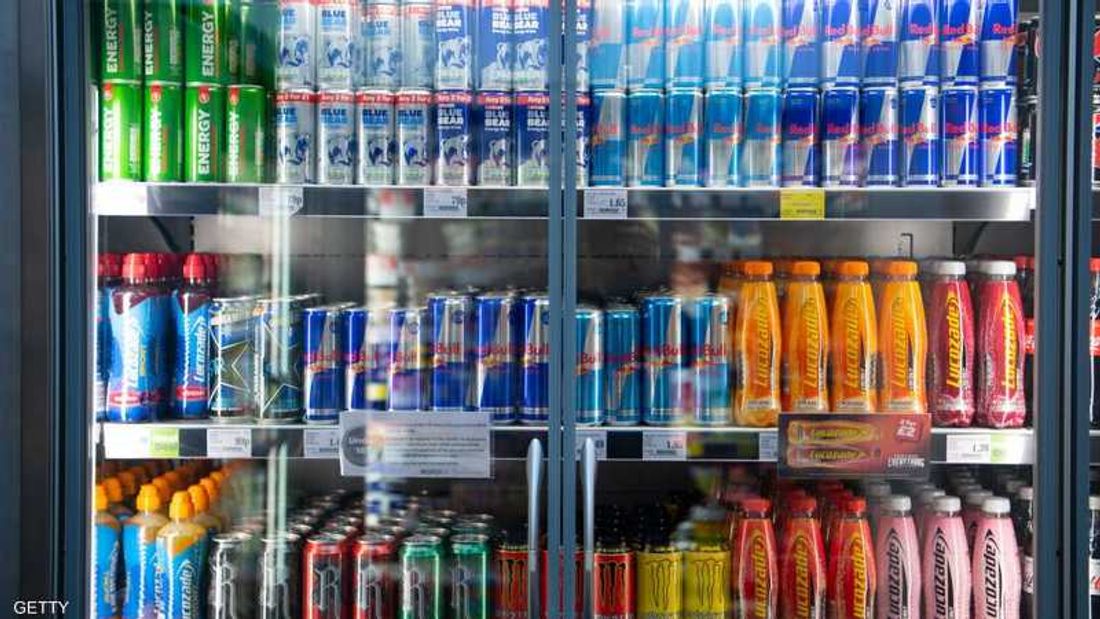
A recent medical study presented at the American Heart Association’s 2026 Scientific Sessions has warned that consuming energy drinks containing caffeine and stimulants is associated with a significant increase in the risk of serious heart conditions, particularly strokes and sudden heart attacks among young people.
The research, led by a team from the University of Virginia School of Medicine, was based on an analysis of more than 28,000 reports of adverse health effects received by the US Food and Drug Administration (FDA) over an eight-year period through 2025.
According to findings published by the British newspaper The Times, products containing stimulants were associated with an 11-fold increase in reported cases of cardiac arrest and heart attacks, particularly among people aged 18 to 34 — an age group not medically classified as being at high risk for these conditions.
The findings also showed that regular consumers face approximately 4.5 times the risk of heart attacks and four times the risk of ventricular arrhythmias and palpitations.
Cardiologists attributed these effects to high caffeine concentrations, which can reach 300 milligrams per can — equivalent to three times the amount in a cup of black coffee — in addition to stimulating plant extracts such as guarana.
This combination can cause a sudden rise in blood pressure and levels of the stress hormone norepinephrine. Unlike natural sources of caffeine, such as tea and coffee, which contain antioxidants that help protect blood vessels, energy drinks offer no protective benefits.
In addition to stimulants, a single can often contains more than 50 grams of sugar — twice the recommended daily limit — along with excessive doses of vitamin B6, which may cause toxicity and nerve damage when consumed over long periods.
The findings come as the United Kingdom prepares to ban the sale of these drinks to anyone under the age of 16 by next April, amid strong recommendations to avoid consuming them altogether before exercise or when experiencing severe fatigue.
𝗦𝗼𝘂𝗿𝗰𝗲: 𝗘𝗿𝗲𝗺 𝗡𝗲𝘄𝘀