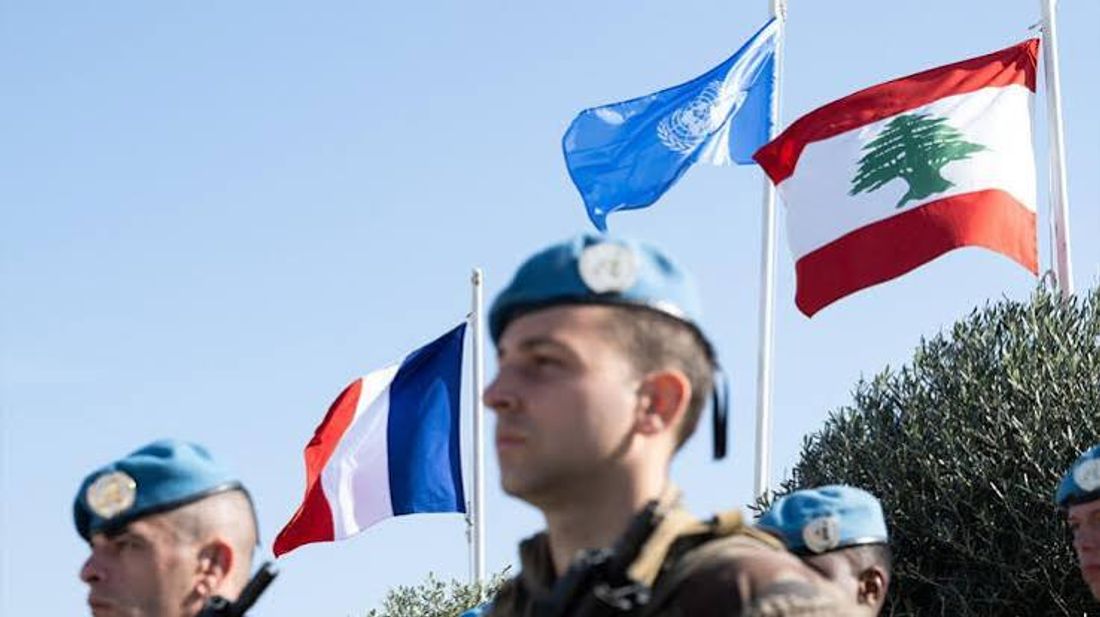
Reporting from Paris, An-Nahar correspondent Randa Takieddine stated that Paris is awaiting clearer and more decisive positions from Lebanese leaders regarding the implementation of UN Resolution 1701, particularly concerning the disarmament of Hezb0llah and the deployment of the Lebanese Army in the South. She warned that continued ambiguity and hesitation could lead to the resumption of war and the expansion of Israeli occupation of Lebanese territory, at a time when the mandate of the UNIFIL force is approaching its expiration on December 31.
An informed French source confirmed that France bears special responsibilities in negotiating the post-UNIFIL phase, as the worst-case scenario would be the creation of a security vacuum in Southern Lebanon. The source explained that Paris is working with the Lebanese authorities, the Americans, and other parties to find effective means to bolster the capabilities of the Lebanese Army, and to explore, if necessary, providing an international presence that prevents such a vacuum.
He stressed the necessity of demanding that Israel bear its responsibilities, but emphasized in return that the Lebanese side must also undertake difficult responsibilities, represented by compelling Hezb0llah to implement what the international community has demanded since the issuance of Resolution 1701 and even before—namely, its disarmament. He added that what is required is the deployment of the Lebanese Army in the South, as well as in other regions where the state must regain control from Hezb0llah.
Regarding the international arrangements following the end of UNIFIL's mission, the source raised the possibility of assigning some of its tasks to the Office of the United Nations Special Coordinator for Lebanon (UNSCOL), pointing to the UN Secretary-General's recommendations to maintain a precautionary UN presence along the Blue Line.
The source emphasized that restoring the Lebanese state's sovereignty is not restricted to the South, but extends to other parts of the country. He noted that clarity of Lebanese decision-making and strengthening the Army's capabilities are two essential prerequisites for avoiding a security vacuum that could open the door to further occupation and escalation.