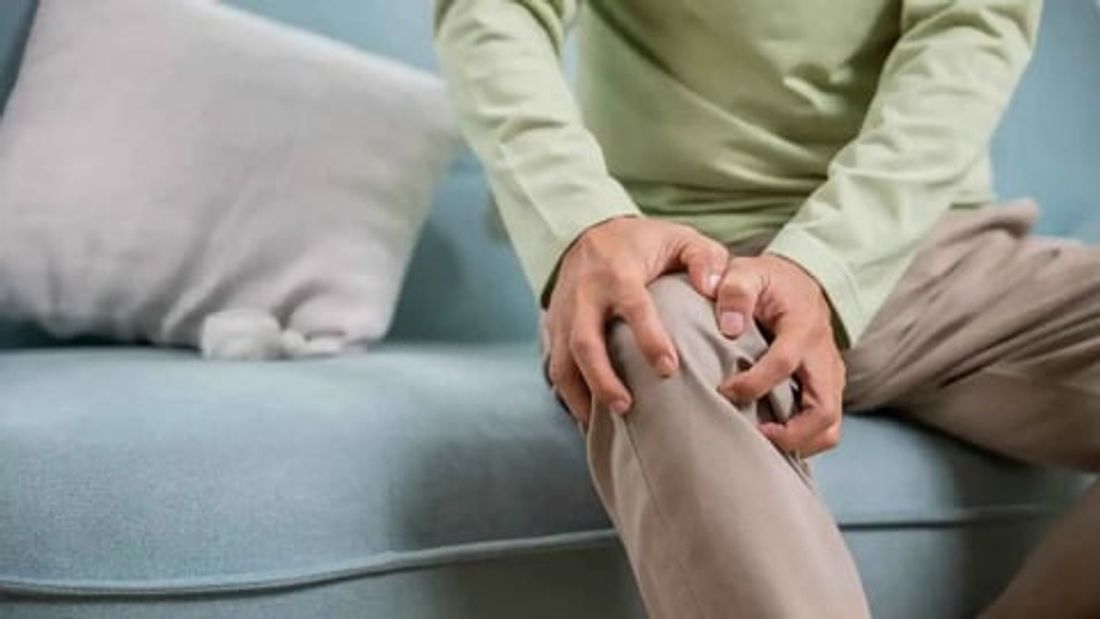
Recent scientific research suggests that the knees are more resilient than many people believe, and that maintaining knee health as we age is linked to physical activity and daily habits rather than necessarily avoiding exercise or running.
The knees play a crucial role in movement and bearing the body’s weight, helping us walk, climb stairs, exercise, and rise from chairs. Despite this, misconceptions remain widespread about which activities protect the knees and which increase the risk of injury.
According to The Washington Post, multiple studies have found that long-distance running does not increase the risk of developing knee osteoarthritis, contrary to what many people believe. A 2022 study involving 2,514 adults found that more than half of the participants believed long-distance running increased this risk.
Other research, however, has shown that runners are generally less likely to develop painful knee osteoarthritis than non-runners, and that the condition progresses more slowly in many cases.
The knees change with age, but some of these changes can be limited through regular physical activity, muscle strengthening, and maintaining a healthy weight.
𝗬𝗼𝘂𝗿 𝟮𝟬𝘀 𝗮𝗻𝗱 𝟯𝟬𝘀: 𝗠𝗼𝘃𝗲𝗺𝗲𝗻𝘁 𝗜𝘀 𝗞𝗲𝘆 𝘁𝗼 𝗞𝗻𝗲𝗲 𝗛𝗲𝗮𝗹𝘁𝗵
The knees are generally in good condition during the 20s and 30s. Cartilage tends to reach high levels of thickness and health, while bones are strong and tendons remain relatively healthy.
Physical activity is essential for maintaining joint health. When a person walks or moves, the cartilage in the knee is compressed under the body’s weight, releasing some fluid, which is then absorbed again as the knee straightens. This process helps deliver oxygen and nutrients to the cartilage.
A 2024 study found that walking for 10 minutes helped knee cartilage restore its normal fluid levels three times faster than during rest.
However, this stage of life is not without risks. Muscle mass and strength begin to gradually decline around the age of 30, particularly in the leg muscles that stabilize the knee.
Sports injuries, especially anterior cruciate ligament (ACL) tears, can also lead to long-term problems. Some estimates suggest that nearly half of young people who suffer an ACL tear develop early signs of osteoarthritis within 10 years.
𝗬𝗼𝘂𝗿 𝟰𝟬𝘀 𝗮𝗻𝗱 𝟱𝟬𝘀: 𝗖𝗵𝗮𝗻𝗴𝗲𝘀 𝗧𝗵𝗮𝘁 𝗥𝗲𝗾𝘂𝗶𝗿𝗲 𝗔𝘁𝘁𝗲𝗻𝘁𝗶𝗼𝗻
Knee problems may begin to emerge during middle age. The average age at which knee osteoarthritis is diagnosed is around 55, with cases increasing among people in their 40s.
During this stage, synovial fluid may lose some of its viscosity, while the decline in muscle mass and strength accelerates and cartilage becomes more vulnerable to thinning and wear. A 2018 study found that knee scans revealed meniscus tears in about half of a group of adults over 40, although many of them reported no pain.
Weight gain can also increase pressure on the joint and raise inflammation levels in the body, potentially contributing to a higher risk of osteoarthritis. Reduced physical activity can compound these problems, as many people in middle age take 5,500 steps or fewer per day, reducing the movement needed to help nourish cartilage.
However, continuing to exercise or increasing physical activity may protect the knees, particularly through resistance training, which strengthens the muscles supporting the joint.
A 2024 study involving 2,607 men and women found that engaging in resistance training before the age of 50 was associated with a 20% or greater reduction in the risk of developing knee pain or osteoarthritis later in life.
Regular walking can also provide important benefits. Even long-distance running does not appear to be an inevitable risk. A 2019 study found that knee scans of 82 middle-aged people looked better after six months of training for and participating in the London Marathon than they had before training began.
𝗔𝗳𝘁𝗲𝗿 𝟲𝟬
Knee problems become more common with age, and changes that began in earlier stages of life may accumulate over time. U.S. government statistics indicate that around 800,000 knee replacement surgeries are performed annually in the United States, with most involving people in their 60s.
Meniscus tears also become more common among older adults, even in the absence of pain, while the cartilage between the bones thins at a faster rate after age 60. The space between the thighbone and shinbone may narrow, a characteristic sign of knee osteoarthritis that can increase friction between the bones during movement.
The amount of synovial fluid also decreases and becomes more watery, while muscle and strength loss accelerates, particularly in the quadriceps at the front of the thigh, which plays an important role in stabilizing the knee.
The newspaper concludes that maintaining healthy knees begins before pain appears, through regular movement, muscle strengthening, and paying attention to weight and injuries. The knees are not necessarily as fragile as some people believe, but protecting them requires consistent habits suited to each person’s age and health condition.
𝗦𝗼𝘂𝗿𝗰𝗲: 𝗲𝗿𝗲𝗺 𝗻𝗲𝘄𝘀