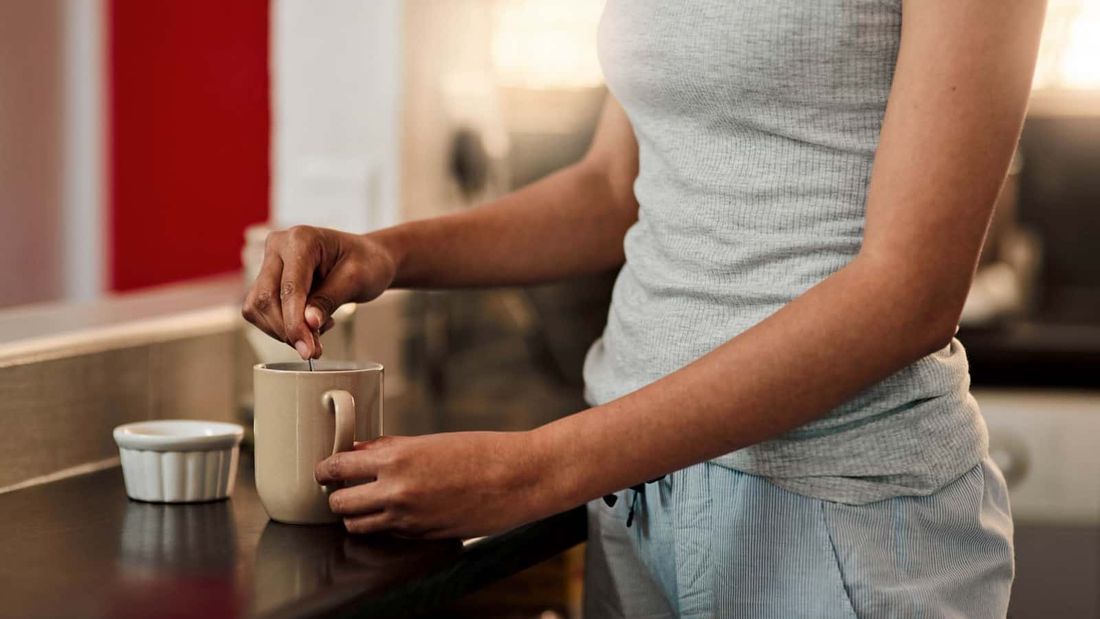
Drinking coffee after breakfast may help stimulate bowel movements and make passing stool easier, particularly for people experiencing constipation. Research suggests that its effects may begin within minutes of consumption.
Coffee stimulates colon activity, helping activate the bowels. Researchers believe this effect is linked to nervous system signals and hormones that influence digestion. This effect is not limited to caffeinated coffee, as decaffeinated coffee may also stimulate bowel movements.
However, people's responses vary. While some feel the urge to use the bathroom after drinking coffee, others notice no effect.
Eating also stimulates colon activity through what is known as the gastrocolic reflex, which increases bowel movement activity after meals. This makes breakfast a suitable opportunity to encourage regular bowel movements.
In addition to coffee, drinking water and other fluids regularly helps soften stool and make it easier to pass, especially when combined with increased dietary fiber intake. Fiber needs sufficient fluids to work effectively and improve bowel movements.
Prune juice is another drink that may help relieve constipation, as it contains sorbitol, fiber, pectin, and polyphenols.
A 2022 study found that drinking prune juice helped reduce hard stools and improve bowel regularity without significantly increasing diarrhea or gas.
Tips for Easier Bowel Movements
Experts recommend eating breakfast regularly and trying to use the bathroom at the same time each day or around 15 to 45 minutes after meals, without rushing. Placing your feet on a small footstool while sitting on the toilet may also make passing stool easier.
If constipation persists or keeps recurring, consult a doctor, particularly if symptoms such as rectal bleeding, persistent abdominal pain, vomiting, fever, unexplained weight loss, or inability to pass gas occur.