The name of the U.S.-backed "Free Syria Army" has returned to circulation in Syrian circles, but within a new equation that raises questions about the future of its military and political role. After it held back from entering Damascus on December 8, 2024, the day Bashar al-Assad's regime fell, its name is being raised again today, according to several sources of Al-Akhbar, as a force that could be repurposed as an alternative to the current transitional authority.
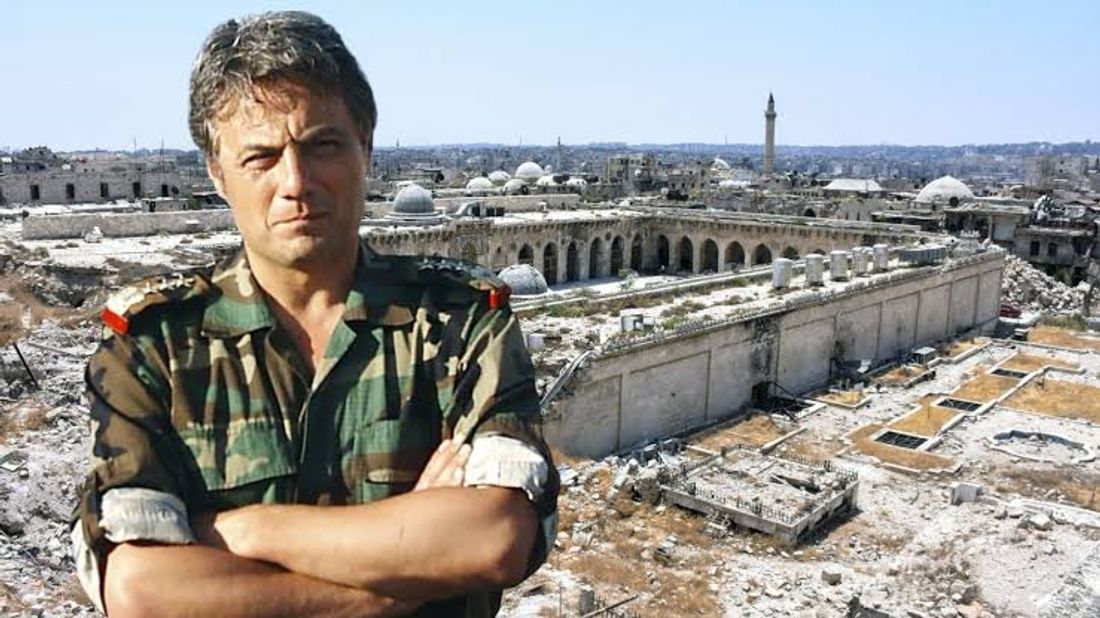
According to Al-Akhbar, the renewed talk about the "Free Syria Army" coincides with the return of the name of Brigadier General Manaf Tlass, son of General Mustafa Tlass, Syria's former defense minister and close friend of the late President Hafez al-Assad, amid speculation about a possible return to Syria's political and military scene. This again raises questions about the possibility of using the force in future political and military arrangements, in light of the transformations Syria is undergoing and the challenges facing the transitional authority in managing internal files and rebuilding state institutions.
On the ground, the "Free Syria Army," formerly known as "Maghawir al-Thawra" (Revolutionary Commando Forces), operates in the al-Tanf area in southeastern Syria, where it worked alongside the international coalition in fighting ISIS. After the fall of the Syrian regime, it was announced that it would be merged into the new military structure of the Syrian state. In October 2025, it was announced that it would be affiliated with the Ministry of Interior under the name "Badia Security" ("Desert Security"), as part of security tasks in the Syrian desert (Badia) areas.
Military deployment raising questions
Sources told Al-Akhbar that the presence of the "Free Syria Army" in the al-Dumayr area, northeast of Damascus and about 45 kilometers from it, along with its control of the al-Seen military airport on the administrative border between the Damascus countryside and Homs governorates, raises questions about the nature of the tasks assigned to it and the objectives of its deployment. Al-Seen airport hosts one of the largest military air bases in Syria, which gives strategic importance to the force's presence in the area, particularly in light of the political and military developments the country is witnessing. According to the sources, this deployment is not limited to fighting ISIS, but may go beyond that to other roles linked to the future of the transitional authority in Damascus.
Military and manpower support and a possible mission in Damascus
The sources affirmed that the "Free Syria Army," which operates under the umbrella of the international coalition forces and as their successor after the American withdrawal from the al-Tanf base, is currently receiving support that includes weapons, equipment, and personnel, noting that its ranks include former members of the Syrian regime with academic military expertise and graduates of military colleges.
They added that the force's possible mission could be to enter Damascus following a security operation whose nature, timing, and implementation mechanisms are not yet clear, in order to play a role as an alternative to the current transitional authority.
According to the sources, these details remain within the realm of circulating information and estimates regarding the force's potential role, with no independent confirmation that a plan of this kind is being carried out.
The sources linked the possibility of making use of the "Free Syria Army," and of Brigadier General Manaf Tlass taking over its command, to how the transitional authority, headed by Ahmed al-Sharaa, handles internal files and how successful it is in addressing external issues.
In this context, they pointed to the file of a possible security agreement with Israel, stressing that the authority's seriousness about moving toward signing it may be among the factors influencing the calculations of parties seeking to shape the future of the Syrian scene.
The sources concluded that internal tensions which various parties are seeking to inflame may help accelerate the movement of the "Free Syria Army" from the outskirts of Damascus into the city, should the necessary political and security conditions be available.