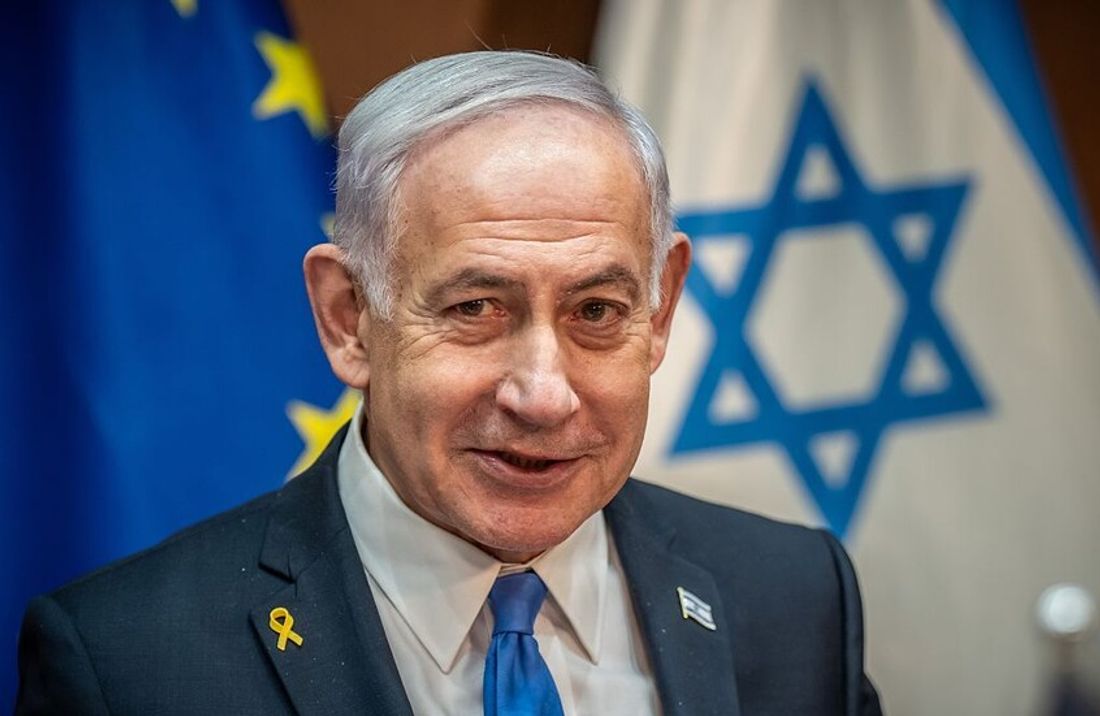
During the closed-door meeting, Netanyahu said, "We are destroying more homes in Gaza every day, and as a result, the Palestinians will have no place to return to." He added, "The only result will be the exodus of Gazans from the Strip, but the biggest challenge is finding countries that will agree to accept them."
Netanyahu stated that he discussed with US President Donald Trump his recent plan to annex Gaza to the United States, but acknowledged the significant obstacles to implementing this plan.
For its part, Israel refrains from offering any public guarantees to Palestinians leaving Gaza that they will be able to return in the future, leaving other countries unwilling to accept them for fear of being drawn into a complex political conflict.
As part of a pilot program, dozens of Gazans who were allowed to travel for work outside the Strip were forced to sign documents stating that there was no timetable for their return due to security conditions. Children evacuated for medical treatment abroad were also prevented from returning to their families in Gaza after completing their treatment.
Netanyahu emphasized during the meeting that the United States remains interested in the plan to retake Gaza, despite the failure of efforts to persuade other countries to accept the refugees.
However, informed sources revealed that the Trump administration has made no real effort to implement this plan since its announcement last February, following a wave of rejection from Arab allies.
In response to questions from lawmakers, Netanyahu said, "I know my words may disappoint some, but we are not currently discussing the establishment of new Israeli settlements in Gaza." However, according to leaks published by the Maariv newspaper, MK Limor Son Har-Melech suggested another solution, saying, "Why don't we move American Jews to Gaza? That way, we solve two problems at once."
Netanyahu also discussed a new Israeli plan to distribute humanitarian aid in Gaza through a centralized system aimed at preventing it from reaching Hamas. According to the plan, distribution centers would be established in southern Gaza, preventing beneficiaries from returning to areas outside the designated humanitarian zone.
The plan calls for the confinement of two million Palestinians in the Rafah area and surrounding areas, which constitute only 25% of the Gaza Strip. The Israeli military would be responsible for screening individuals allowed to enter the area.
Israel established a new organization called the Gaza Humanitarian Foundation to manage the aid distribution process. However, the project faced significant obstacles after the UAE, the United Nations, and other international organizations refused to cooperate with or fund it, believing it did not provide a real solution to the humanitarian crisis in Gaza. This was especially true after Israel's decision to block the entry of aid since March 2.
Source: The Times of Israel