
LEBANON
Postponing Al-Zaidi's visit to Beirut for two weeks, and the Iraqi oil import file faces hurdles
Nov 2, 2026
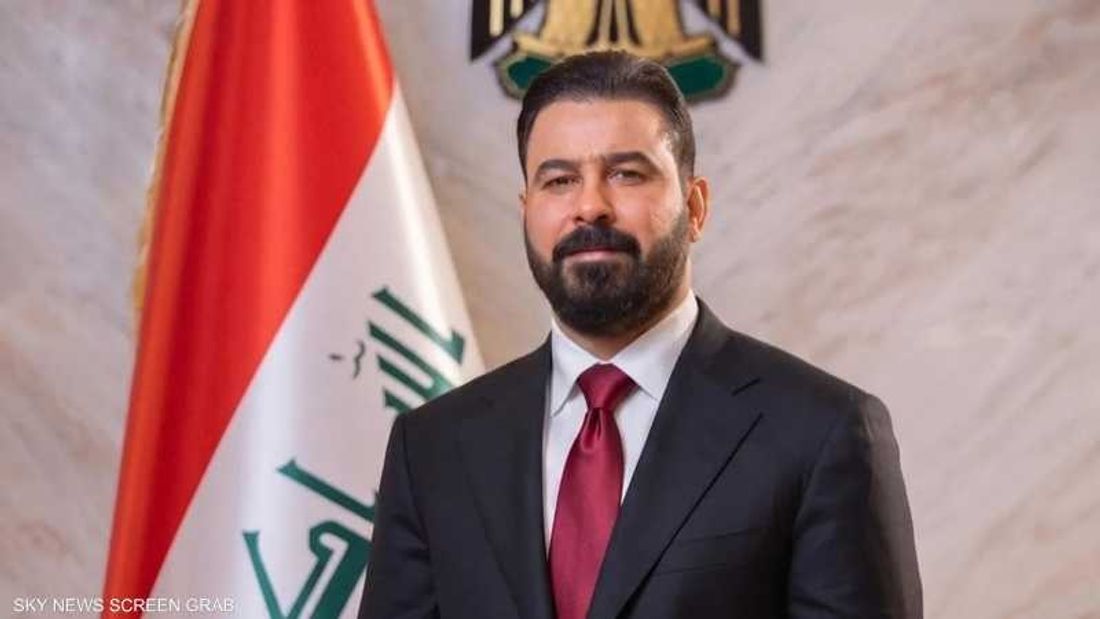
Iraqi Prime Minister Ali Al-Zaidi did not cancel his visit to Lebanon; rather, its date was officially fixed for November 18, following adjustments to the schedule and priorities of his regional tour.
Al-Zaidi was originally scheduled to visit Beirut in late October as part of a regional tour that also included Damascus. However, the sequence of stops underwent a review that prompted Baghdad to prioritize visits to the Gulf states and Jordan before Al-Zaidi headed to the Syrian capital on October 28, where he held talks with Syrian President Ahmad Al-Sharaa addressing pressing security and economic files.
The postponement of the Beirut leg to mid-November is linked to the desire of both the Lebanese and Iraqi sides to complete the political and technical preparations for the agreements expected to be discussed and signed during the visit. These files include the reactivation of the Iraqi-Tripoli oil pipeline (IPC), addressing the debt crisis related to Iraqi fuel supplied to Lebanon, and signing memoranda of understanding regarding the transfer of convicts and the enhancement of trade and industrial cooperation between the two countries.
Sources close to the Iraqi situation told Al-Markazia that the visit is linked, firstly, to the electricity file. Iraq used to supply Lebanon with the fuel necessary to operate power generation plants, while Baghdad's accumulated financial dues exceed $1.2 billion and have not been settled yet. The sources clarify that Iraq does not condition the recovery of these funds all at once or at the present time, but insists on collecting them in full phases without waiving any part of them. They link this stance to Al-Zaidi raising the slogan of anti-corruption, which makes him keen to safeguard his country's financial rights.
Secondly, the future of the Iraqi oil pipeline to Lebanon via Tripoli is considered one of the primary discussion points on Al-Zaidi's visit agenda, particularly regarding the possibility of exporting Iraqi oil through the Mediterranean Sea starting from the Tripoli oil facilities. Discussions will also cover the possibility of connecting Lebanon to the Iraqi oil pipeline via Syria, reaching northern Lebanon.
In this context, the sources indicate that Lebanon expresses interest in restarting the pipeline but has not taken practical steps in this direction, whereas Syria has expressed readiness to receive Iraqi oil and has begun rehabilitating the necessary infrastructure. While the Syrian government is working on renewing oil pipelines and facilitating the transport of Iraqi crude overland, Lebanon remains lagging behind in preparing its infrastructure. The sources believe that Al-Zaidi does not consider supplying Beirut with oil to be a practical option in the absence of the required readiness, especially since Baghdad is looking for alternative secure export routes in light of the challenges facing navigation through the Strait of Hormuz.
If Al-Zaidi does not witness serious Lebanese readiness during his visit, he is expected to re-raise the file of reopening the Iraq Petroleum Company facilities in Tripoli and laying the pipelines necessary to transport oil through Syrian territory. The sources point out that Lebanon is still waiting for oil to reach Syria before starting to develop its facilities, including the rehabilitation of pipelines and refineries, a process that could take years.
Accordingly, the sources do not expect the visit to bring about a fundamental shift, except for providing an opportunity to discuss the possibility of resuming the supply of fuel to Electricité du Liban (EDL) with Iraqi oil. However, this path remains linked to settling the accumulated dues. In contrast, Minister of Energy and Water Joe Al-Sadiq rejects continuing the policy of borrowing and seeks to find alternative formulas to secure funds by launching a decisive move to collect the debts and dues owed to Electricité du Liban from departments, state institutions, and Lebanese municipalities.
The sources conclude that Al-Zaidi's visit, even if it takes place, will not be sufficient alone to relaunch oil cooperation unless Lebanon initiates the completion of the required preparations. While Iraqi oil is expected to reach Syria first, its arrival in Lebanon may require additional years.


Police searching for woman accused of leaving crash scene near elementary school in Huron TownshipNov 11, 2026

Postpartum Rage: A Common Psychological Condition Affecting New MothersOct 25, 2026

“Nas El Ghiwane”: How Has the Moroccan Heritage Band Remained Relevant for 60 Years?Nov 14, 2026

Trump: Meeting Between Putin and Zelensky to Be Arranged SoonOct 28, 2026
MOST READ NEWS
Police searching for woman accused of leaving crash scene near elementary school in Huron TownshipNov 11, 2026
Postpartum Rage: A Common Psychological Condition Affecting New MothersOct 25, 2026
“Nas El Ghiwane”: How Has the Moroccan Heritage Band Remained Relevant for 60 Years?Nov 14, 2026
Trump: Meeting Between Putin and Zelensky to Be Arranged SoonOct 28, 2026
Subscribe to our newsletter
