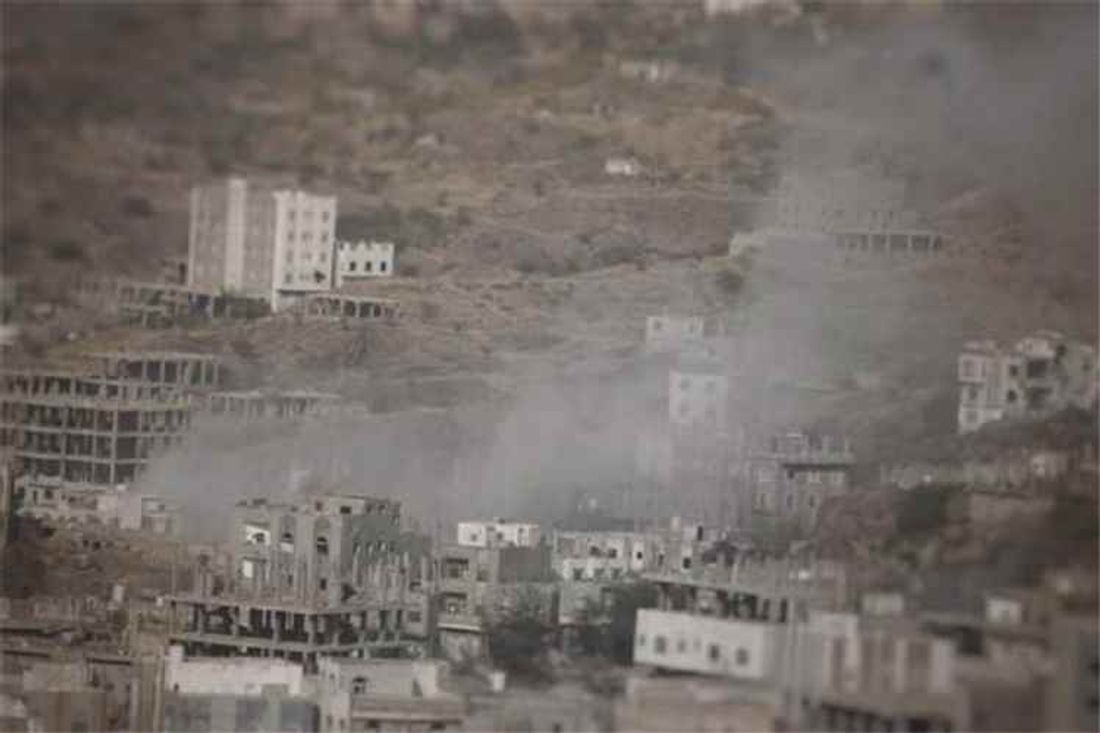
The SAM Organization for Rights and Liberties today, Wednesday, called on the Houthi group to immediately stop targeting civilians and civilian objects in the city of Taiz, in southwestern Yemen, and to open the roads and corridors necessary for the movement of residents and for humanitarian and commercial supplies. It warned of worsening humanitarian risks resulting from the continued military escalation and road closures.
In a new rights briefing on the situation in Yemen, the organization said that information and reports it followed over recent days reveal a dangerous escalation in attacks and violations threatening the lives and safety of civilians in the city of Taiz, amid continuing clashes and a deteriorating humanitarian and service situation.
It explained that the documented violations included shelling of residential neighborhoods, homes, and a health facility in Taiz governorate, the killing of children and injury of women and elderly people, along with reports of continued planting of landmines and the displacement of residents from villages, and tightened restrictions on the arrival of food, water, fuel, and medical supplies to the city.
The organization pointed out that Taiz witnessed a number of incidents linked to the military escalation on October 12 and 13, stressing that the coincidence of military operations with road closures and the deterioration of basic services multiplies the risks facing civilians and makes it harder for them to obtain life's necessities.
SAM warned that the continuation of these conditions could push the humanitarian crisis in Taiz to more dangerous levels, especially given limited food and medical supplies and the difficulties facing humanitarian organizations in reaching displaced communities and delivering the necessary aid.
The organization demanded that the H0uthi group immediately stop attacks targeting civilians and civilian objects, particularly artillery shelling of residential neighborhoods, homes, and medical facilities. It called for strict adherence to the rules of international humanitarian law, and for guaranteeing civilians' freedom of movement and opening roads for humanitarian and commercial supplies.