
INTERNATIONAL NEWS
The "Veto" Stalls Guterres's Succession: The United Nations on the Brink of a Leadership Vacuum
Nov 22, 2026
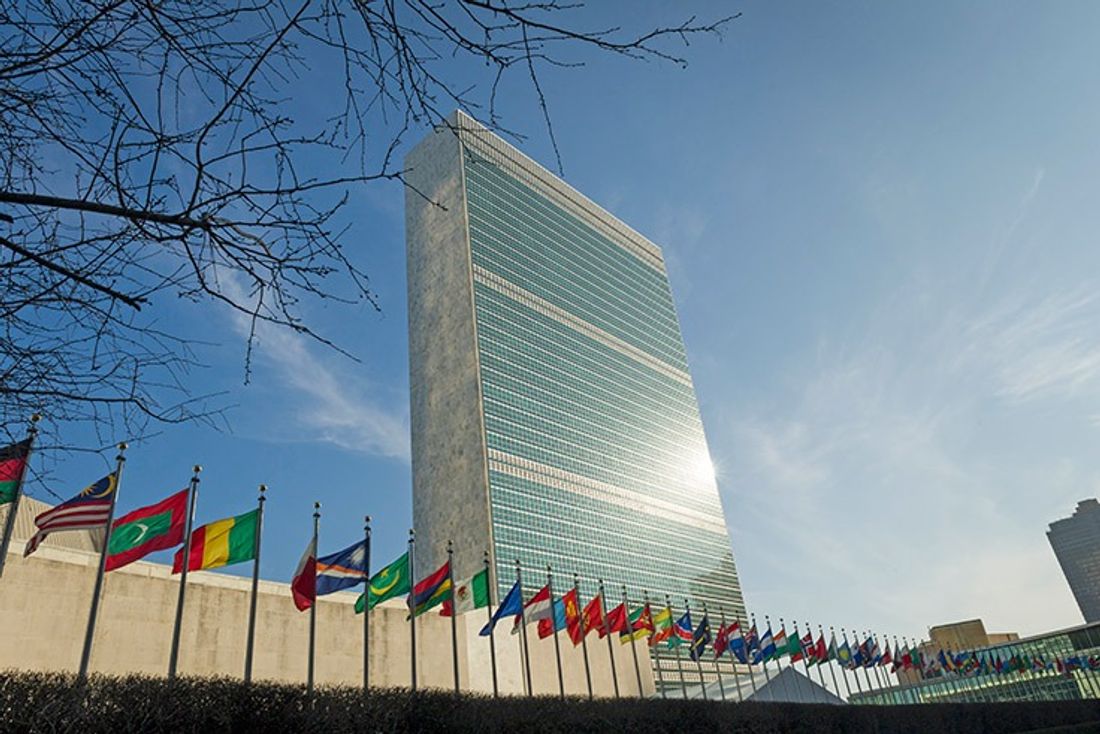
The race to select the next Secretary-General of the United Nations has entered a critical phase after the latest round of secret straw polls in the UN Security Council revealed continued division among the major powers and an inability by candidates to garner the required consensus—a development that threatens to leave the international organization facing a leadership vacuum when current Secretary-General António Guterres's term ends on December 31.
The ninth round of informal voting, held on Friday, showed Costa Rican candidate Rebeca Grynspan leading with 10 encouraging votes against four discouraging ones, including two from permanent members of the Security Council who hold veto power. Despite retaining first place, the outcome demonstrated that her lead is insufficient to guarantee her passage to the final stage.
According to diplomatic sources, the secret ballot mechanism did not reveal the identities of the countries that opposed Grynspan. Meanwhile, Argentina’s Rafael Grossi, Director General of the International Atomic Energy Agency (IAEA), received eight encouraging votes, while Emirati diplomat Lana Nusseibeh garnered seven votes, amidst objections from permanent members.
The core bottleneck lies in the Secretary-General selection system, as a Security Council recommendation requires a candidate to secure at least nine votes out of 15 without any objection from the five permanent members—the United States, Russia, China, the United Kingdom, and France. The recommendation is then referred to the 193-member General Assembly for formal appointment.
The stalled process reflects a broader struggle for influence within the international organization, as the competition is no longer confined to competence and diplomatic experience, but has become tied to the calculations of Washington, Moscow, Beijing, and European capitals, as well as each power's vision for the nature of the next leadership and its role in managing international crises.
Grynspan, who previously served as Vice President of Costa Rica and heads the UN Conference on Trade and Development (UNCTAD), faces the challenge of overcoming objections from major powers despite topping most previous rounds of voting. Meanwhile, the Emirati and Argentine bids introduce additional regional and diplomatic dimensions to the race.
The gravity of the impasse does not stop at delaying the appointment, but extends to the possibility of Guterres's term expiring without an agreement on a successor. Diplomats have warned that the UN Charter does not clearly define a mechanism for handling such a vacuum, amidst discussions of options that include temporarily extending the current Secretary-General's term or tasking another official with assuming leadership duties.
This comes as the organization faces mounting challenges, ranging from wars and international conflicts to declining U.S. funding and Washington's withdrawal from several of its agencies, in addition to growing criticism of the UN's effectiveness and its ability to enforce its resolutions.
While the next Secretary-General is expected to restore standing to multilateral diplomacy, the battle over their selection reveals that discord among the major powers now threatens the very institution meant to bring them together, proving that the veto remains capable of paralyzing international consensus at one of the most turbulent moments in the global order.




Man and Woman Suspected: Reports of Complaints and Fears Over Possible Child Abduction Attempts in Southern LebanonOct 24, 2026
Mourinho: I Hope Ronaldo Retires in a Different Way from His Portugal FarewellNov 6, 2026

Turkish Series Salary Crisis… Burak Özçivit Takes a Notable StandNov 13, 2026
Trump Considers Avoiding Resuming War on Iran at the Request of Arab Allies and TurkeyNov 14, 2026
MOST READ NEWS
Man and Woman Suspected: Reports of Complaints and Fears Over Possible Child Abduction Attempts in Southern LebanonOct 24, 2026
Mourinho: I Hope Ronaldo Retires in a Different Way from His Portugal FarewellNov 6, 2026
Turkish Series Salary Crisis… Burak Özçivit Takes a Notable StandNov 13, 2026
Trump Considers Avoiding Resuming War on Iran at the Request of Arab Allies and TurkeyNov 14, 2026
Subscribe to our newsletter
