Ancient Beauty Ingredients Still Used Today
Oct 11, 2026
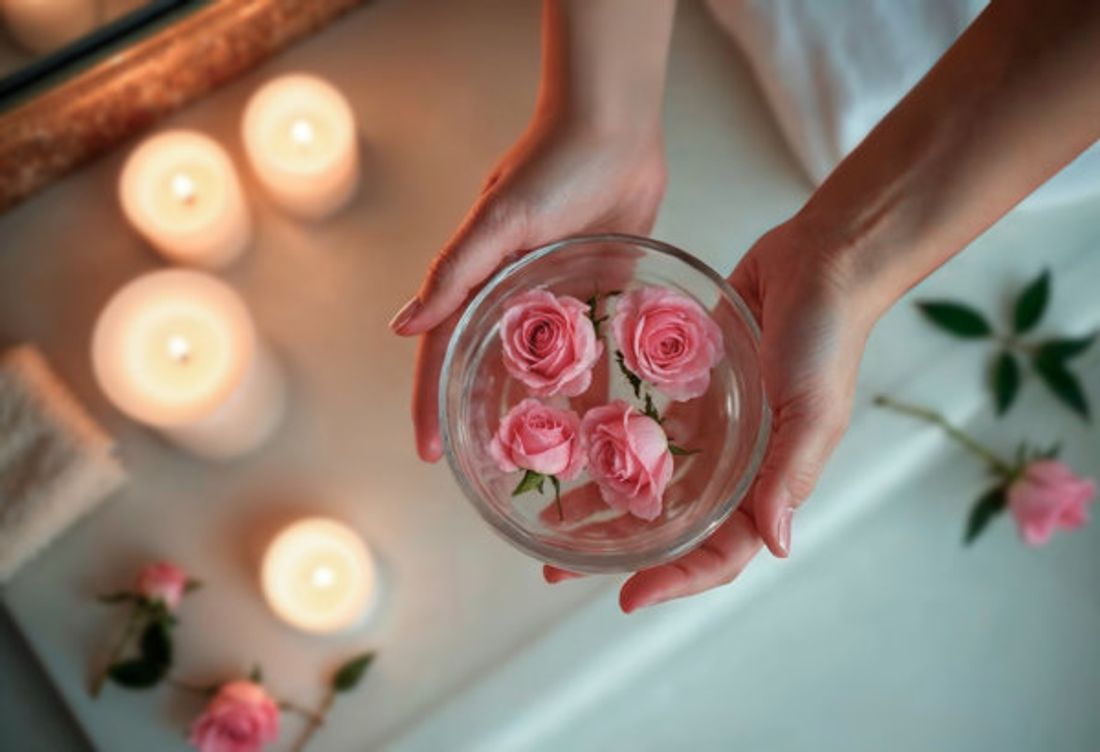
Long before modern laboratories and advanced formulations revolutionized the beauty industry, women in ancient civilizations turned to nature to care for their skin and hair. They often developed remedies that were not only effective but also closely tied to cultural rituals and traditions.
In regions such as Egypt, Greece, India, and China, natural ingredients were carefully selected for their healing, soothing, and beautifying properties. Many of these ingredients have stood the test of time and continue to play a major role in modern skincare and beauty products.
Ingredients that were once prepared using simple yet thoughtful methods are now refined and incorporated into sophisticated formulas, while their essence and benefits remain largely unchanged. Here are some of the most notable examples.
𝗛𝗼𝗻𝗲𝘆
Honey was widely used in ancient Egypt, particularly by figures such as Cleopatra, and was valued for its powerful antibacterial and moisturizing properties. This made it an essential ingredient in skincare rituals designed to maintain soft, supple skin.
Its natural humectant properties allow it to draw moisture into the skin while helping protect it from dryness and irritation. This explains why honey remains widely used today in face masks, cleansers, and products designed to soothe sensitive or damaged skin.
𝗢𝗹𝗶𝘃𝗲 𝗢𝗶𝗹
In ancient Greece and Rome, olive oil was more than just a staple food. It played a central role in beauty routines thanks to its nourishing and protective properties, particularly for skin and hair exposed to harsh environmental conditions.
Rich in antioxidants and healthy fatty acids, olive oil helps maintain the skin’s elasticity and softness while providing a natural barrier against external damage. For this reason, it remains a popular ingredient in modern products, including moisturizers, body oils, and hair-care products focused on hydration and repair.
𝗥𝗼𝘀𝗲 𝗪𝗮𝘁𝗲𝗿
Rose water has long been known for its gentle yet effective ability to refresh, tone, and soothe the skin, making it a staple in beauty rituals focused on skincare.
Its anti-inflammatory properties can help reduce redness and irritation, while its delicate fragrance adds a luxurious touch to daily routines. This has ensured its continued presence in modern toners, facial mists, and even makeup-setting sprays.
𝗔𝗹𝗼𝗲 𝗩𝗲𝗿𝗮
The ancient Egyptians referred to aloe vera as the “plant of immortality” and used it to treat wounds, burns, and skin irritation, as well as to maintain fresh-looking skin in harsh climates.
The gel found inside its leaves contains vitamins, enzymes, and amino acids that work together to hydrate and repair the skin. This helps explain its enduring popularity in modern skincare products, particularly those designed to soothe inflammation, treat sunburn, and provide lightweight hydration without clogging pores.
𝗠𝗶𝗹𝗸
Milk baths have long been associated with Cleopatra, who is believed to have used them to maintain soft, supple skin. Their benefits are linked to the natural lactic acid in milk, which gently exfoliates the skin and renews its surface.
This mild exfoliating effect helps remove dead skin cells while improving the skin’s texture and radiance. This is why milk-derived ingredients are still used in facial cleansers, exfoliants, and body treatments designed to achieve smoother, brighter skin.
𝗖𝗹𝗮𝘆
Various types of clay were used across ancient civilizations, from Egypt to China, to cleanse and purify the skin by drawing out impurities and excess oil.
Rich in minerals, clay can help tighten the appearance of pores and improve skin clarity, making it particularly useful for oily or acne-prone skin. Its effectiveness has secured its place in modern face masks and skincare treatments designed to purify and rebalance the skin.
𝗦𝗼𝘂𝗿𝗰𝗲: 𝗲𝗹𝗹𝗲 𝗮𝗿𝗮𝗯𝗶𝗮