Anti-Reflective Screens: Will They End the Problem of Using Phones in Direct Sunlight?
Nov 2, 2026
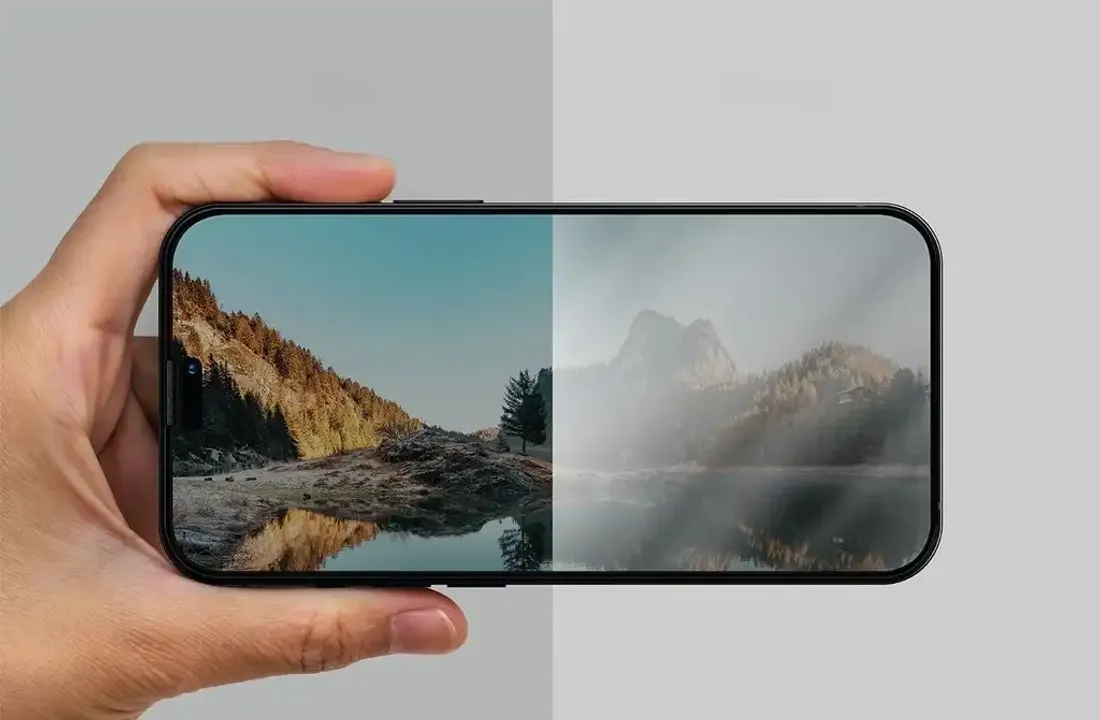
You leave your home on a sunny day and receive an important message on your phone, only to find that the screen has turned into a small mirror reflecting the sunlight and your own face. You struggle to read the words clearly, even after turning the brightness up to its maximum level.
This familiar experience for millions of users may gradually become less common with the emergence of a new generation of anti-reflective screens, designed to address one of the most persistent challenges of using smartphones outdoors.
Can this technology make phone screens clearly visible under direct sunlight? Does it represent a genuine end to the problem of reflections, or is it simply another improvement to the viewing experience?
𝗦𝗽𝗲𝗰𝗶𝗮𝗹 𝗢𝗽𝘁𝗶𝗰𝗮𝗹 𝗟𝗮𝘆𝗲𝗿𝘀
These screens rely on special optical technologies and layers that reduce the reflection of incoming light from the screen's surface, rather than simply increasing brightness to counter sunlight.
The importance of this technology lies in the fact that external reflections can make content difficult to read even when the screen is bright. Reflected light interferes with the displayed image, reducing contrast and making text less clear.
Some companies use anti-reflective treatments and coatings, while other technologies improve the structure of the screen's outer layers to reduce the amount of light reflected back toward the user's eyes.
𝗡𝗲𝘄 𝗧𝗲𝗰𝗵𝗻𝗼𝗹𝗼𝗴𝗶𝗲𝘀 𝗘𝗻𝘁𝗲𝗿 𝘁𝗵𝗲 𝗖𝗼𝗺𝗽𝗲𝘁𝗶𝘁𝗶𝗼𝗻
Smartphone manufacturers have begun incorporating these solutions into their high-end devices. One prominent example is Gorilla Armor 2, a technology developed by Samsung and Corning and introduced in the Galaxy S25 Ultra. It combines reflection resistance with improved glass durability.
The two companies announced that the technology significantly reduces reflections in both indoor and outdoor environments. Samsung has continued to develop this experience, using the same generation of glass in the Galaxy S26 Ultra, alongside other screen improvements.
𝗜𝗻𝗰𝗿𝗲𝗮𝘀𝗶𝗻𝗴 𝗦𝗰𝗿𝗲𝗲𝗻 𝗕𝗿𝗶𝗴𝗵𝘁𝗻𝗲𝘀𝘀
Anti-reflective technology does not eliminate the need for high screen brightness. Instead, the two technologies work together.
Brightness helps make images more visible in strong lighting, while anti-reflective layers reduce the amount of light bouncing off the glass surface.
A study published in the journal of the Society for Information Display has shown that anti-reflective technologies can improve screen visibility and reduce the need to increase brightness, potentially having a positive impact on battery consumption.
𝗠𝗮𝗶𝗻 𝗗𝗿𝗮𝘄𝗯𝗮𝗰𝗸𝘀
Despite their advantages, anti-reflective screens do not offer a perfect solution. They cannot eliminate sunlight reflections entirely, and their effectiveness varies depending on the angle of incoming light, brightness levels, and screen cleanliness.
Traditional screen protectors may also affect the performance of anti-reflective coatings, particularly those with glossy surfaces. Meanwhile, matte protectors may reduce some reflections at the expense of image sharpness and colour clarity.
𝗪𝗶𝗹𝗹 𝗨𝘀𝗲𝗿𝘀' 𝗦𝘁𝗿𝘂𝗴𝗴𝗹𝗲 𝗘𝗻𝗱?
Current developments indicate that anti-reflective screens represent an important step toward improving smartphone use outdoors, but they do not mean that the problem will disappear entirely.
The future is moving toward combining anti-reflective glass, high brightness, and energy efficiency to deliver screens that provide clearer visibility under different lighting conditions.
The result is that the problem will not disappear completely, but technology is making it easier and less frustrating to read phone screens under direct sunlight.
𝗦𝗼𝘂𝗿𝗰𝗲: 𝗘𝗿𝗲𝗺 𝗡𝗲𝘄𝘀