The newspaper Asharq Al-Awsat reported that the French proposal to postpone the withdrawal of the United Nations Interim Force in Lebanon (UNIFIL) from southern Lebanon by six months, through a revised timetable, has received support from European Union countries and the United Kingdom. At the same time, Britain is pushing for this move to be accompanied by a parallel process involving steps to implement the principle of exclusive state control over weapons, according to Western diplomatic sources in Beirut who spoke to *Asharq Al-Awsat*.
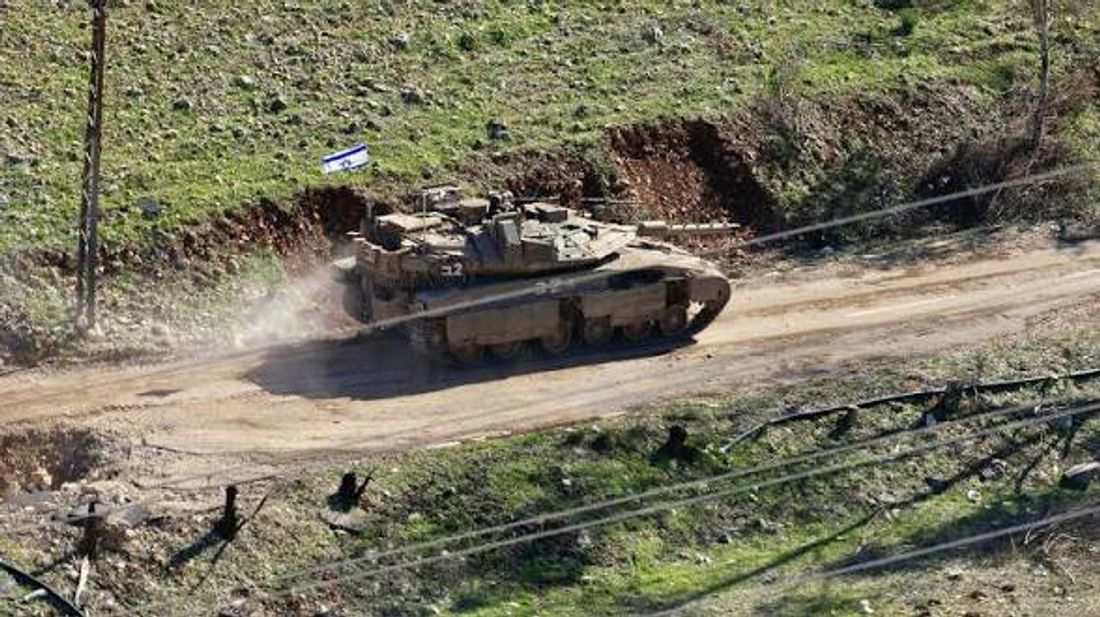
France, in its capacity as the "penholder" on the Lebanese file at the United Nations Security Council, has entered into discussions with the Council's permanent members and other countries concerned with Lebanon to formulate security arrangements for southern Lebanon following the end of UNIFIL's mandate at the end of this year, with the aim of preventing a security vacuum in the occupied area.
The United States, like Israel, opposes extending UNIFIL's mandate. However, the formula recently put forward by France could be made acceptable, according to the sources. European and British support for the French proposal is primarily driven by the need to avoid a security vacuum in the south, particularly as Lebanon currently rejects direct coordination between the Lebanese and Israeli armies. At the same time, the proposal also addresses the equally urgent priority of ending the stalemate over the issue of collecting weapons, which Hezbollah refuses to surrender.
The diplomatic sources said the French proposal is currently viewed as an acceptable option, providing time to establish more robust arrangements after the six-month period envisaged by the French initiative. This refers to the formulation of a sustainable security arrangement that would receive Security Council approval at a later stage. Such arrangements could include the deployment of multinational forces or an expansion of the mandate and troop numbers of the United Nations Truce Supervision Organization (UNTSO), which has been present in southern Lebanon since 1949 to monitor the armistice agreement.
The sources also explained that discussions are underway regarding a parallel track involving the implementation of exclusive state control over weapons by Lebanon's armed forces, which is also considered an urgent priority.
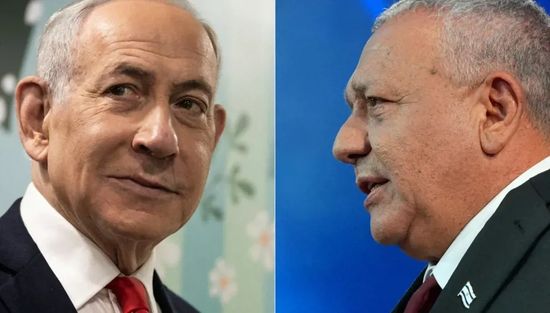
They said that the policy of Israeli Prime Minister-designate Gadi Eisenkot "does not appear likely to differ significantly from that of current Prime Minister Benjamin Netanyahu regarding Lebanon, although it may be more flexible than that of his predecessor," particularly in dealing with international initiatives concerning arrangements along the Lebanese border.
The sources added: "Ultimately, Israel must implement a plan for a gradual withdrawal from Lebanese territory. However, discussions have been frozen pending the outcome of the transfer-of-power process in Tel Aviv. Consequently, the matter will depend on the plan of the new Israeli government."
Meanwhile, Al-Anbaa Electronic reported that there is still no clarity regarding when negotiations with Israel will resume.
According to available information, the next meeting is expected to take place at the military level and will be conducted exclusively via Zoom.
The resumption of negotiations is linked to the formation of the new Israeli government and whether it will retain the composition of the previous Israeli delegation or introduce changes to it. Negotiations are expected to resume automatically once the new government is formed.