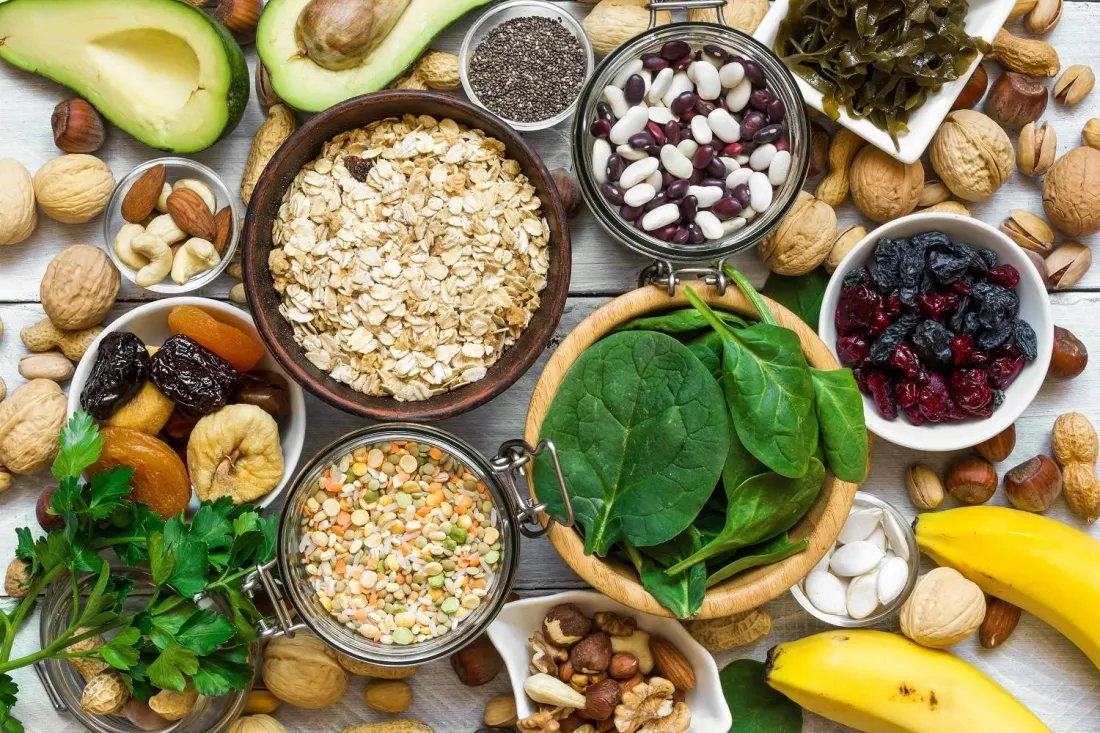
Magnesium is one of the essential minerals the body needs to perform many vital functions. It plays an important role in supporting muscle and nerve function and contributes to energy production within cells. It also helps regulate heart rate and maintain balanced blood pressure and blood sugar levels, making it an important element for overall health.
In addition, magnesium plays a role in building and strengthening bones and supports nervous system health. It also helps reduce stress and muscle cramps. Given its importance, a deficiency may lead to symptoms such as fatigue, muscle weakness, and sleep disturbances. Therefore, obtaining magnesium from a variety of food sources as part of a daily diet is recommended.
American nutritionist Brittany Deob revealed a range of foods that contain higher amounts of magnesium than peanuts, although the latter are considered a good source of this mineral, according to the health website Health.
A single serving of peanuts (approximately 30 grams) provides around 54 milligrams of magnesium, equivalent to nearly 13 percent of the daily requirement. However, several other foods offer considerably higher amounts.
𝗥𝗶𝗰𝗲 𝗕𝗿𝗮𝗻
Rice bran, the outer layer of rice grains, tops the list, containing approximately 922 milligrams of magnesium per cup. Although it is often used as animal feed or removed during food processing, it is considered one of the richest natural sources of magnesium. It is also sometimes used in certain food products and oils in several Asian countries.
𝗕𝗹𝗮𝗰𝗸𝘀𝘁𝗿𝗮𝗽 𝗠𝗼𝗹𝗮𝘀𝘀𝗲𝘀
Molasses, also known as black treacle, is another magnesium-rich source, with approximately 800 milligrams per cup. It is commonly used to sweeten baked goods, making it an indirect way to increase magnesium intake through food.
Similarly, unsweetened cocoa powder provides more than 400 milligrams per cup and is a common ingredient in desserts and beverages.
𝗪𝗵𝗼𝗹𝗲 𝗚𝗿𝗮𝗶𝗻𝘀
Whole grains are among the most important plant-based sources of magnesium, providing between 250 and 500 milligrams per uncooked cup. These include buckwheat, wheat bran, quinoa, and oats, all of which contribute effectively to increasing dietary intake of this mineral.
𝗦𝗲𝗮𝗳𝗼𝗼𝗱 𝗮𝗻𝗱 𝗠𝗲𝗮𝘁
Some animal-based sources can also provide substantial amounts of magnesium, including seafood and meat. Oysters contain approximately 302 milligrams per cup, while turkey breast provides around 242 milligrams and sea snails contain approximately 212 milligrams, making them options that contribute to dietary variety.
𝗡𝘂𝘁𝘀 𝗮𝗻𝗱 𝗦𝗲𝗲𝗱𝘀
Nuts and seeds are also important sources of magnesium. Pumpkin seeds provide 115 milligrams per serving, while sesame seeds contain 78 milligrams. Almonds and Brazil nuts also offer good amounts of this mineral.
𝗦𝗽𝗶𝗻𝗮𝗰𝗵
Spinach provides approximately 79 milligrams per serving, equivalent to nearly 19 percent of the daily requirement. It is also one of the most nutrient-rich leafy green vegetables.
Including a variety of these foods in the daily diet helps meet the body's magnesium requirements naturally and in a balanced way, without relying on just one food source.
𝗦𝗼𝘂𝗿𝗰𝗲: 𝗮𝗮𝘄𝘀𝗮𝘁