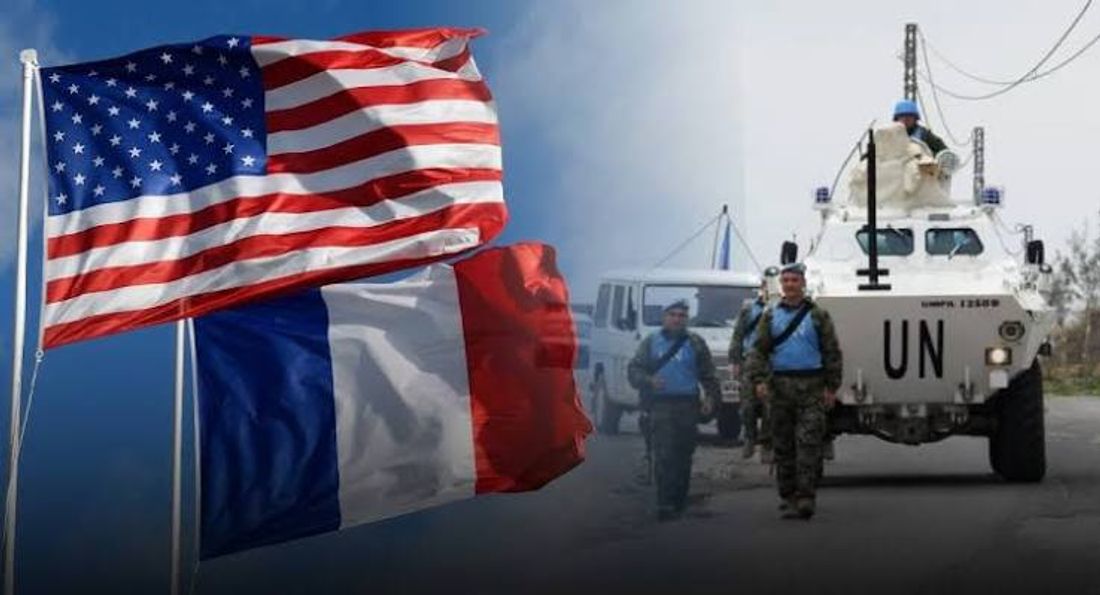
Following two days of closed-door consultations held by the UN Security Council on the implementation of Resolution 1701 and the arrangements that will follow the end of UNIFIL's mission on December 31—which did not yield a final agreement on the nature or mandate of the replacement force—it has been reported, according to the electronic newspaper Al-Anbaa, that France informed member states of its intention to prepare a UN draft resolution next month. France will begin drafting it next week, with the draft set to include arrangements for an orderly transition from the current mission to a new mechanism, while looking into adjusting the pace of withdrawal and retaining certain capabilities, particularly liaison and coordination mechanisms between the Lebanese and Israeli armies.
The Beirut-based newspaper Al-Araby Al-Jadeed reported that the issue of internationalizing the clauses of the trilateral framework agreement—by integrating them into the text of Security Council Resolution 1701 and amending it internationally—is a step toward filling the security vacuum through a new international force and reinforcing the principle of state exclusivity over arms. Under this framework, the Lebanese Army would assume verification duties on the ground and adopt pilot zones in implementing the trilateral agreement as a condition for any gradual Israeli withdrawal. In this regard, Lebanon is seeking guarantees that the framework agreement path will enter into force with the next Israeli government, and that security in the south will not become subject to understandings imposed by Israel under new balances of power replacing international terms of reference.
The paper added that there are not many reasons for hope, as the passage of such a resolution requires the approval of nine Security Council members, including the five permanent members, and an abstention by one of those countries poses an obstacle to issuing the resolution. However, there are reasons to share in optimism amid frantic Turkish, Saudi, Qatari, and American diplomatic activity that elevates the Lebanon file to a regional priority—alleviating the weight of political misery—and in capitalizing on the opportunity of Lebanon's direct presence at a stage where its files are linked to issues of war and peace in the region.