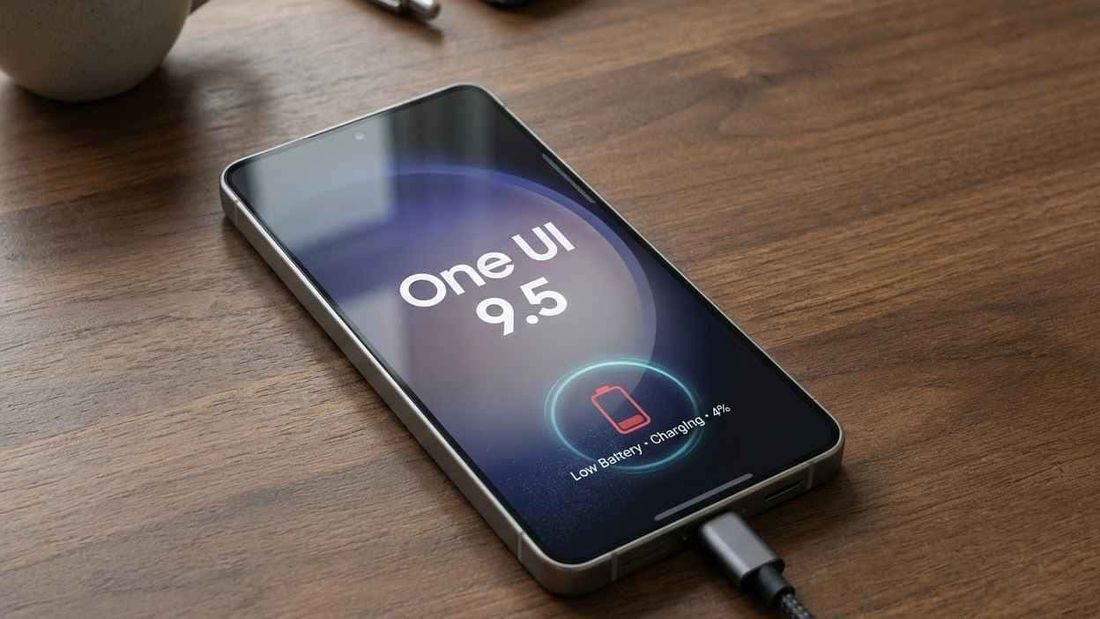
Samsung's latest updates have sparked a wave of complaints among Galaxy phone users, with some reporting unusual declines in battery performance. These include faster-than-usual battery drain and falling battery health readings, raising questions about whether the cause is a software bug or an issue that is genuinely affecting battery lifespan.
The complaints concern the One UI 9.0 update, based on Android 17. Users have reported noticeable changes in battery performance after installing it, with some having to charge their phones more frequently throughout the day than they did before the update.
Affected Devices
Concerns have extended beyond faster battery drain, with users also reporting sharp drops in battery health indicators, even on devices that have not been in use for very long. This has raised fears that battery lifespan may be declining faster than expected.
According to a report published by Gizmochina, Samsung indicated, through a response from a moderator on its Samsung Members support forum, that the battery health issue would be addressed in the upcoming One UI 9.5 update.
The response came after a user filed a complaint. However, the company has not yet issued a general official statement explaining the details of the bug or the range of devices affected.
Among the devices that have been the subject of repeated complaints are the Galaxy S24 Ultra and Galaxy S25 Ultra. Users have reported needing to recharge their phones more frequently after installing the update.
One Galaxy S25 user said their battery health indicator had begun dropping rapidly, reaching lower-than-expected levels after a relatively short period of use. Other users noted that subsequent minor software updates had failed to resolve the issue.
An Unresolved Issue
Despite indications that a fix is on the way, the exact nature of the problem remains unclear. One possibility is that One UI 9.0 introduced a bug in the way battery health is calculated and displayed, rather than causing actual deterioration of the battery's components.
This distinction is important because a software correction could restore accurate battery health readings, but it cannot recover capacity that the battery has already lost through physical degradation.
Samsung has yet to explain the technical cause of the issue or clarify whether it affects all devices that received the update or only specific models.