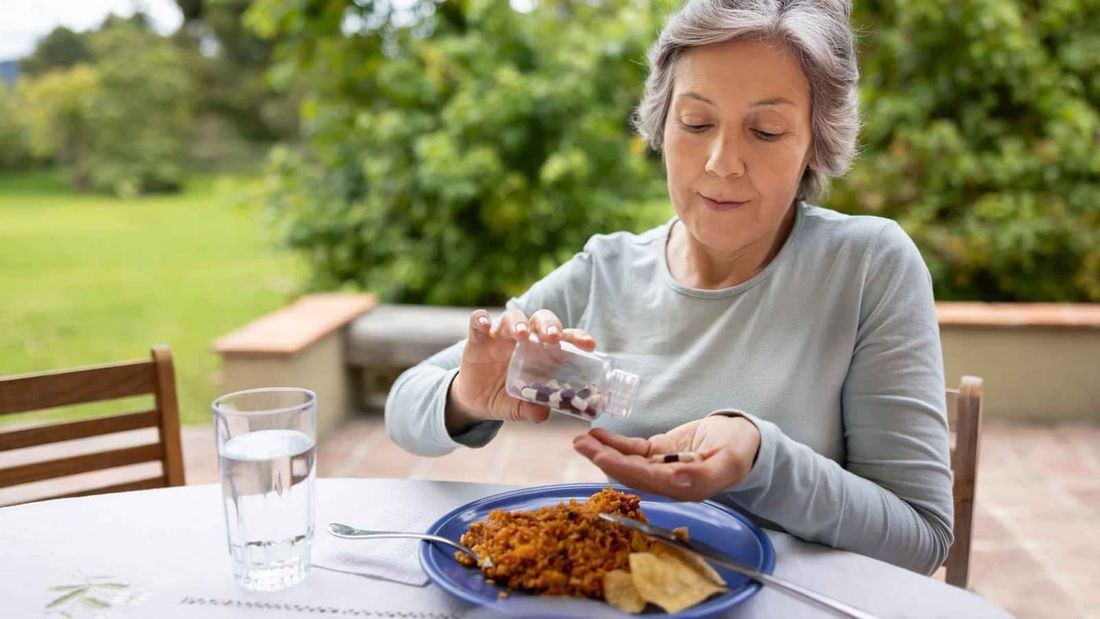
A recent scientific study has revealed a potential role for vitamin C in limiting the formation of harmful chemical compounds in the digestive system. These compounds are associated with an increased risk of colorectal cancer, and the timing of vitamin C intake may be an important factor in achieving this benefit.
Researchers from Canada's University of Waterloo conducted the study, published in the journal Theoretical Biology, using a mathematical model to simulate the chemical reactions that occur when nitrates and nitrites enter the human body.
How Does Vitamin C Protect the Body?
Nitrates occur naturally in leafy vegetables and drinking water, while nitrites are used in the production of certain processed meats, such as sausages and preserved meats.
These compounds may be converted in the stomach into substances known as nitroso compounds. Some of these have carcinogenic properties and can damage the genetic material of cells.
The simulations showed that taking vitamin C alongside foods containing nitrates and nitrites may limit the reactions responsible for producing these harmful compounds.
The researchers suggest that this may help explain the differences in the health effects of nitrate-rich vegetables and processed meats, as some vegetables also contain natural antioxidants.
Is Taking the Vitamin After Meals Better?
The researchers tested the effect of taking 1,000 milligrams of vitamin C after meals. The model's results indicated that this could significantly reduce the formation of harmful compounds, particularly after meals rich in nitrites and low in antioxidants.
However, the researchers cautioned against interpreting these findings as evidence that vitamin C supplements prevent cancer, since the study relied on mathematical simulations and did not examine reductions in cancer incidence among humans.
The dose used in the model should also not be considered a recommendation to take supplements after every meal.
The researchers stressed the need for human trials to verify the findings. In the meantime, the most important preventive advice remains reducing processed meat consumption and following a balanced diet.