Israeli Concerns Over Trump Demanding Withdrawal From Southern Lebanon if Iran Deal Is Reached; Hezbollah Refuses to Reassure Israel
Nov 2, 2026
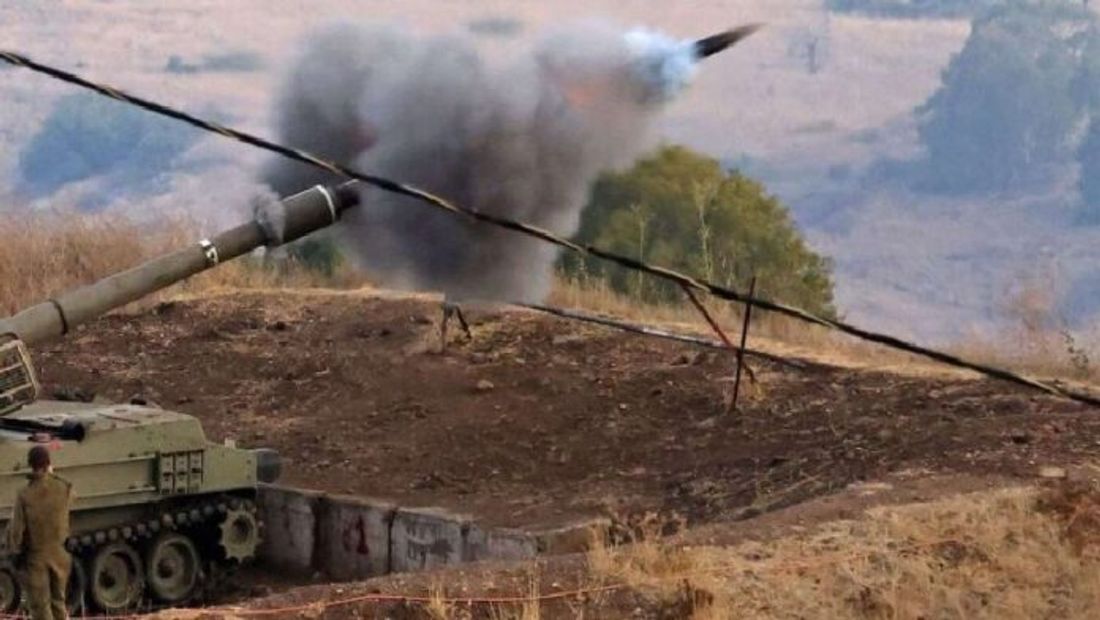
Al-Liwaa newspaper reported:
The international and regional picture shifted last night following reports leaked about a five-hour meeting of the Israeli Cabinet, attended by the Israeli ambassador to Washington.
Instead of focusing on concerns over an escalation that Benjamin Netanyahu had been planning against Lebanon, including its cities, Beirut airport, and port, the atmosphere in Tel Aviv was dominated by fears that U.S. President Donald Trump might reach an agreement with Iran that would also include Lebanon.
Sources spoke of Israeli concerns that Trump might demand that Israel withdraw from all of southern Lebanon, rather than merely retreating to the Yellow Line.
Israel's Channel 13 reported that Iran would be Trump's sole focus starting Friday, adding that the Israeli military was not prepared for such a development.
The newspaper added that diplomatic sources had not ruled out the possibility of a "dark scenario" involving escalation if the ongoing contacts aimed at reaching an understanding between Washington and Tehran fail. Qatar is playing a decisive role in these efforts, with support from the countries involved in the Mecca Agreement: Saudi Arabia, Pakistan, and Turkey.
Iran, meanwhile, has also continued sending coded messages indicating that the U.S. Embassy in Beirut tops the list of potential targets in its target bank should a new confrontation erupt.
Al-Akhbar newspaper reported:
Hebrew-language Channel 15 raised the possibility that Iran could launch missiles toward Israel if it came under attack, with Hezb0llah joining the confrontation by targeting northern Israel.
The channel also reported an agreement between Israel and the United States to carry out a joint military operation, while discussions continue over the nature of its ultimate objective.
Meanwhile, Israeli assessments, according to Maariv, indicate that Tehran may seek to unite its allies and open several fronts simultaneously by activating Hezb0llah in Lebanon, the H0uthis in Yemen, and armed factions in Gaza. This is prompting the Israeli military to draw up plans to deal with the possibility of a confrontation across multiple fronts.
The newspaper added that, by contrast, the picture regarding Hezbollah's position on any potential escalation remains unclear.
Political and diplomatic circles are continuing to examine whether the party will repeat the experience of March 2 or make a different decision if Iran comes under a military strike.
Contrary to some leaks suggesting that Hezb0llah has made commitments or pledges not to intervene, information available to sources following the matter indicates that the party has made no clear commitment, either for or against intervention.
It has not given mediators—whether Lebanese, French, Qatari, or others—an answer on which they can rely to determine its position on upcoming developments.
Sources say Hezb0llah's approach to these contacts is based on rejecting their use as a means of providing Israel with advance guarantees. The question it puts to any mediator is whether these efforts are genuinely intended to prevent war or instead to extract a position that reassures Tel Aviv and restricts the party's options before the nature of any potential attack becomes clear.
For this reason, Hezb0llah prefers to leave its position unresolved and refuses to provide clear answers at this stage, considering that any prior commitment could become a constraint on its decision-making if a regional confrontation erupts.
Diplomatic assessments indicate that Lebanon may not remain outside the confrontation even if a regional settlement is reached. Its position will depend on the nature and terms of the agreement and on the willingness of the parties concerned to provide guarantees preventing the Lebanese front from exploding.
According to An-Nahar newspaper:
The Israeli threats, which coincided with an intensification of bulldozing operations and airstrikes against several southern towns yesterday, are intended to pressure Hezb0llah and deter it from entering the war. They also constitute an attempt to justify any expansion of Israeli operations in Lebanon should confrontations resume.
Diplomatic sources told Al-Joumhouria newspaper:
The Lebanese and regional situation cannot be separated from the outcome of this American electoral contest. Washington remains the most influential party in the paths of negotiations and pressure, whether in Lebanon, in the confrontation with Iran, or in the future of the Israeli-Palestinian conflict.
The question, however, is whether the election results will push the U.S. administration to accelerate foreign settlements in order to consolidate political achievements, or make it more preoccupied with its domestic crises and electoral calculations.
Al-Sharq Al-Awsat newspaper quoted Lebanese ministerial sources as saying:
"There is no doubt that the situation is worrying, and the possibility that Israel could launch a new war against Lebanon cannot be ruled out, particularly if Hezb0llah fails to honor its promise, as it did previously, and enters the war again."
The sources added that Israeli threats are not new and have been repeated several times by officials in Tel Aviv. This places Lebanon in the face of a genuine danger, and unfortunately, we may reach the point where the plans being discussed in the media are actually implemented.
For his part, Dr. Riad Kahwaji, a researcher and writer specializing in security and defense affairs, believes that the Israeli threats published by Maariv yesterday must be taken seriously.
The threat explicitly refers to all of southern Lebanon, without distinguishing between the area south of the Litani River and the area north of it. It even raises the possibility of occupying the entire south and, consequently, parts of the western Bekaa, should Hezbollah enter the confrontation.
Al-Binaa newspaper revealed:
Western and Arab embassies in Lebanon have received instructions from their respective countries to exercise caution, remain vigilant, monitor developments, and await further instructions in the event of danger.
The embassies reportedly said that the situation in the region is dangerous and could witness escalatory developments in the coming days if the ongoing negotiations with Iran reach a dead end.
According to these diplomatic missions, U.S. military movements in the region and toward Israel indicate preparations for possible military operations against Iran.
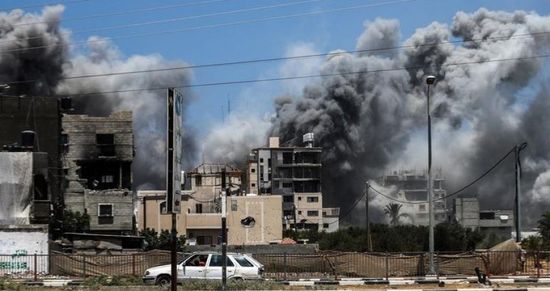
Al-Maghazi under the guillotine of demolition: A silent Israeli military advance consumes the heart of the camp and displaces its residents.

Lebanon Weather: A Fast-Moving Low-Pressure System Brings Back Rain Tuesday Night
 PALESTINE
 LEBANON