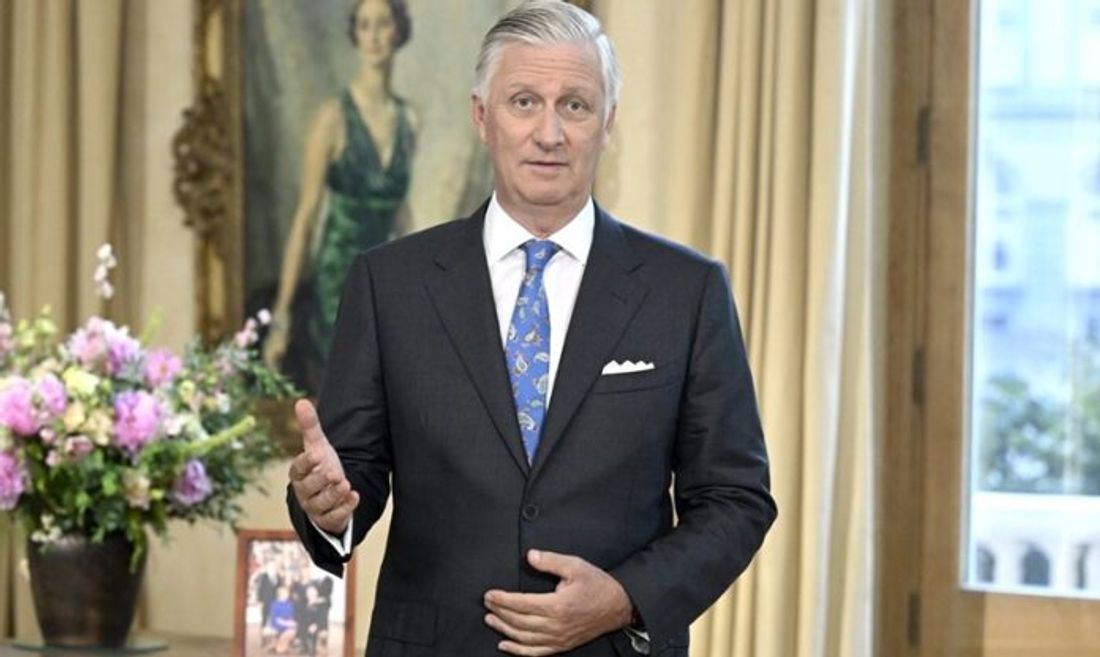
King Philippe of Belgium will visit Lebanon on December 4 for a two-day visit, accompanied by Deputy Prime Minister and Foreign Minister Maxime Prévot, as part of a regional tour that will also include Jordan.
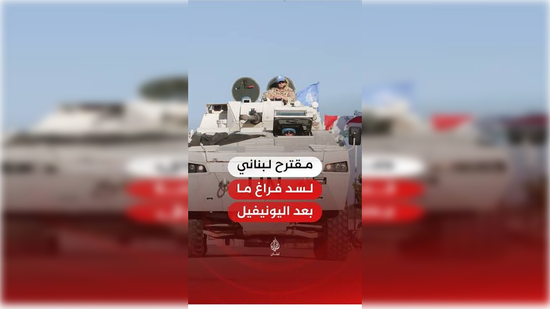
King Philippe is scheduled to meet Lebanon’s three top leaders and visit the south, on the eve of the approaching deadline for the end of the UNIFIL mission on December 31, 2026, and the gradual withdrawal of its units beginning early the following year.
The visit carries historical significance, as it will be Philippe’s first visit since ascending to the throne. He previously visited Lebanon in 2007 as crown prince. It is also the first visit by a European king to Lebanon since 2015.
Diplomatic sources stress that Belgium is not preparing to launch a new political initiative, and that the visit’s main significance lies in the choice of Lebanon, particularly its southern regions, as a destination on the king’s itinerary.
Philippe will begin his official engagements at Baabda Palace, where he will meet President Joseph Aoun, Parliament Speaker Nabih Berri, and Prime Minister Nawaf Salam. The bilateral meetings will be followed by a joint meeting bringing together the three Lebanese leaders and the Belgian delegation.
Prévot will accompany the king in his meetings with Berri and Salam, while his attendance at the meeting with Aoun is still under discussion for protocol reasons. The first day will conclude with a brief media appearance by King Philippe alongside President Aoun, followed by a dinner at the Presidential Palace.
The following day, the tour will move to southern Lebanon, where the king will travel to Tebnine. He has chosen to visit two institutions that reflect aspects of Belgium’s longstanding ties with the region.
The first stop will be the government hospital, which has previously benefited from Belgian financial assistance. The king will hear from its management about the services it provides and the difficulties faced by the healthcare sector during the war.
Although the hospital was not directly struck during the two most recent wars, airstrikes targeting its surroundings caused damage that required renovation work, partly funded through French programs.
The second stop will be a memorial dedicated to four Belgian soldiers who died while serving with UNIFIL between 2006 and 2014. Three were killed when a military vehicle overturned, while the fourth died during a mine-clearance operation.
The Tebnine visit will also give Prévot an opportunity to present Belgium’s position on developments on the ground during a press conference addressing the risks faced by humanitarian aid workers and medical personnel.
Prévot previously visited Lebanon on April 8 to follow up on the latest developments. The current tour will allow him to see firsthand the impact of the war in the south, away from the official meetings held in the capital.
At the end of the tour, the delegation will return to Beirut to visit the port and meet with its management. The king will also pay tribute to the victims of the August 4, 2020, Beirut port explosion by laying a wreath at the memorial.
After leaving Lebanon on December 6, Philippe will travel to Jordan to attend the “Humanity in War” conference, hosted by Amman at the initiative of the International Committee of the Red Cross, in cooperation with the countries that founded the Global Initiative on International Humanitarian Law.
The Lebanese president is expected to attend the conference, while the Belgian king’s program in Jordan will also include a visit to the Zaatari camp for Syrian refugees.