Magnesium plays an important role in muscle function, bone health, and blood sugar regulation, and is also linked to sleep and mood. Although many people do not get enough of this mineral, increasing magnesium intake is not limited to eating nuts and leafy greens. It can also start with everyday beverage choices.
A report published by Everyday Health lists eight drinks that contain magnesium, along with some of the key foods that can help boost magnesium intake.
𝗧𝗵𝗲 𝟴 𝗠𝗮𝗴𝗻𝗲𝘀𝗶𝘂𝗺-𝗥𝗶𝗰𝗵 𝗗𝗿𝗶𝗻𝗸𝘀
𝟭. 𝗠𝗶𝗻𝗲𝗿𝗮𝗹 𝗪𝗮𝘁𝗲𝗿
𝗠𝗮𝗴𝗻𝗲𝘀𝗶𝘂𝗺 𝗰𝗼𝗻𝘁𝗲𝗻𝘁: 120 milligrams, or 29% of the Daily Value.
𝗦𝗲𝗿𝘃𝗶𝗻𝗴 𝘀𝗶𝘇𝗲: 1 liter.
Mineral water comes from underground reservoirs and natural springs and often contains higher amounts of certain nutrients, including magnesium. Some bottled mineral waters carry labels indicating that they are high in this mineral.
Water remains the best choice for meeting the body’s hydration needs. Drinking bottled mineral water can help maintain hydration while also increasing magnesium intake.
𝟮. 𝗖𝗼𝗰𝗼𝗻𝘂𝘁 𝗪𝗮𝘁𝗲𝗿
𝗠𝗮𝗴𝗻𝗲𝘀𝗶𝘂𝗺 𝗰𝗼𝗻𝘁𝗲𝗻𝘁: 60 milligrams, or 14% of the Daily Value.
𝗦𝗲𝗿𝘃𝗶𝗻𝗴 𝘀𝗶𝘇𝗲: 1 cup.
Coconut water is the clear liquid found inside young green coconuts. It is known for its electrolytes, minerals that help regulate fluid balance in the body, making it a popular choice among athletes.
Although coconut water contains higher amounts of potassium, it also provides magnesium, with the exact amount varying by brand. It may be a suitable option for those looking for a hydrating drink with a mildly sweet taste that also provides some magnesium.
𝟯. 𝗣𝗹𝗮𝗻𝘁-𝗕𝗮𝘀𝗲𝗱 𝗠𝗶𝗹𝗸
𝗠𝗮𝗴𝗻𝗲𝘀𝗶𝘂𝗺 𝗰𝗼𝗻𝘁𝗲𝗻𝘁 𝗽𝗲𝗿 𝗰𝘂𝗽:
- 𝗦𝗼𝘆 𝗺𝗶𝗹𝗸: 54 milligrams, or 13% of the Daily Value.
- 𝗔𝗹𝗺𝗼𝗻𝗱 𝗺𝗶𝗹𝗸: 19 milligrams, or 5% of the Daily Value.
Plant-based milk can be a good source of magnesium, particularly when it is fortified with the mineral. Fortified foods are products to which vitamins and minerals have been added to improve their nutritional value and health benefits.
Fortified plant-based milk is a nutritious option for people following a dairy-free diet, whether because of lactose intolerance or personal reasons, while also looking for good sources of magnesium.
𝟰. 𝗖𝗼𝗰𝗼𝗮 𝗗𝗿𝗶𝗻𝗸𝘀
𝗠𝗮𝗴𝗻𝗲𝘀𝗶𝘂𝗺 𝗰𝗼𝗻𝘁𝗲𝗻𝘁: 35 milligrams per serving.
𝗦𝗲𝗿𝘃𝗶𝗻𝗴 𝘀𝗶𝘇𝗲: 1 tablespoon of raw cocoa powder.
Cocoa drinks are made using raw cocoa powder, which comes from an evergreen tropical tree that grows in South America and is used to produce products such as chocolate, cocoa, and cocoa butter. Raw cocoa is considered one of the richest dietary sources of magnesium.
Many people use cocoa to prepare hot chocolate or smoothies. It has a more bitter taste than processed cocoa powder used in some products.
𝟱. 𝗕𝗹𝗮𝗰𝗸𝘀𝘁𝗿𝗮𝗽 𝗠𝗼𝗹𝗮𝘀𝘀𝗲𝘀 𝗪𝗶𝘁𝗵 𝗪𝗮𝗿𝗺 𝗪𝗮𝘁𝗲𝗿 𝗼𝗿 𝗦𝗺𝗼𝗼𝘁𝗵𝗶𝗲𝘀
𝗠𝗮𝗴𝗻𝗲𝘀𝗶𝘂𝗺 𝗰𝗼𝗻𝘁𝗲𝗻𝘁: 100 milligrams, or 24% of the Daily Value.
𝗦𝗲𝗿𝘃𝗶𝗻𝗴 𝘀𝗶𝘇𝗲: 1 tablespoon of blackstrap molasses.
Blackstrap molasses is one of the best sources of magnesium and also provides significant amounts of calcium, potassium, and iron.
A magnesium-rich drink can be prepared by dissolving a tablespoon of blackstrap molasses in warm water and adding a little lemon juice to balance its flavor. It can also be added to smoothies to help mellow its simultaneously sweet and bitter taste.
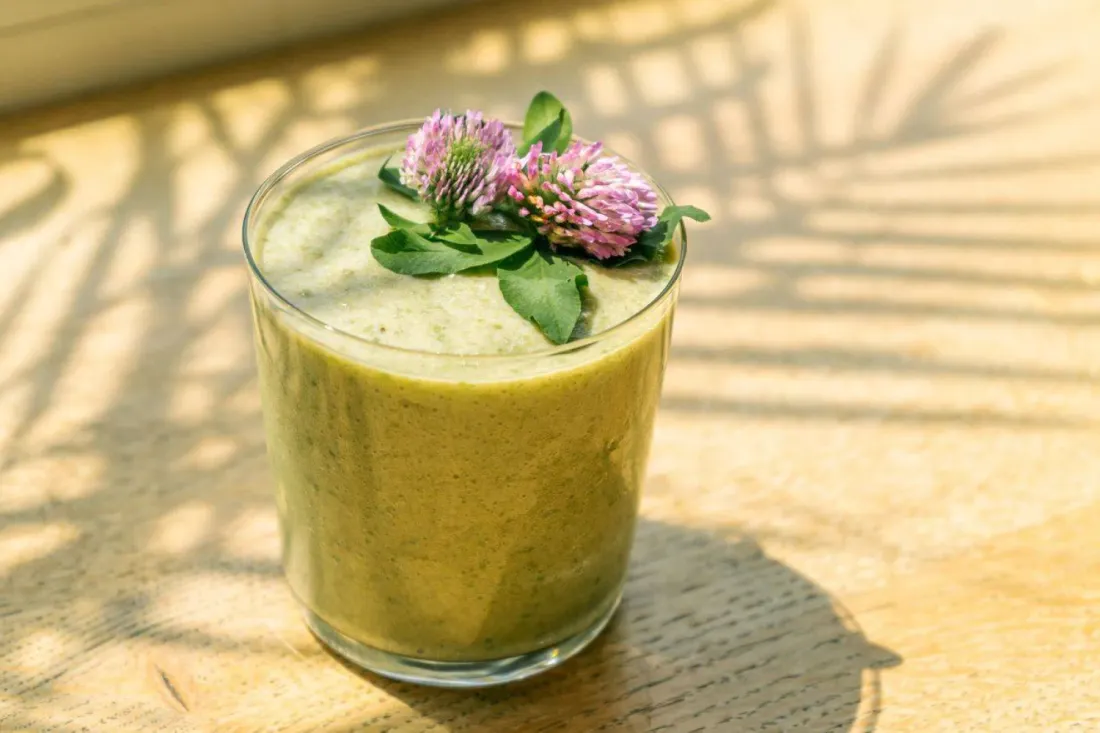
𝟲. 𝗚𝗿𝗲𝗲𝗻 𝗦𝗺𝗼𝗼𝘁𝗵𝗶𝗲𝘀
𝗠𝗮𝗴𝗻𝗲𝘀𝗶𝘂𝗺 𝗰𝗼𝗻𝘁𝗲𝗻𝘁: 24 milligrams, or 6% of the Daily Value.
𝗦𝗲𝗿𝘃𝗶𝗻𝗴 𝘀𝗶𝘇𝗲: 1 cup.
Green smoothies are typically prepared with leafy greens such as spinach and Swiss chard, also known as chard, or kale. Some people blend these vegetables with frozen berries, bananas, avocados, or plant-based milk.
Leafy greens do more than give these drinks their distinctive flavor; they are also the primary source of magnesium in them.
𝟳. 𝗖𝗼𝗳𝗳𝗲𝗲
𝗠𝗮𝗴𝗻𝗲𝘀𝗶𝘂𝗺 𝗰𝗼𝗻𝘁𝗲𝗻𝘁: 10 milligrams, or 2% of the Daily Value.
𝗦𝗲𝗿𝘃𝗶𝗻𝗴 𝘀𝗶𝘇𝗲: 1 cup.
Although coffee is well known for increasing alertness and energy, it also contains a small amount of magnesium. If a person drinks a few cups every morning, they may get around 30 milligrams of this mineral as part of their morning routine.
𝟴. 𝗛𝗲𝗿𝗯𝗮𝗹 𝗧𝗲𝗮
𝗠𝗮𝗴𝗻𝗲𝘀𝗶𝘂𝗺 𝗰𝗼𝗻𝘁𝗲𝗻𝘁 𝗶𝗻 𝗻𝗲𝘁𝘁𝗹𝗲 𝘁𝗲𝗮: 10 milligrams, or 2% of the Daily Value.
𝗦𝗲𝗿𝘃𝗶𝗻𝗴 𝘀𝗶𝘇𝗲: 1 cup.
Herbal teas, including nettle, dandelion, and rooibos tea, can provide small amounts of magnesium. However, their magnesium content varies considerably depending on the type of herb and how the beverage is prepared.
Nettle tea is made from stinging nettle (Urtica dioica), a plant known for containing magnesium, calcium, and iron.
Unlike caffeinated tea or coffee, many types of herbal tea can promote relaxation, making them a suitable choice for unwinding at the end of the day while adding some magnesium to the diet.
𝗦𝗼𝘂𝗿𝗰𝗲: 𝗔𝗮𝘄𝘀𝗮𝗮𝘁