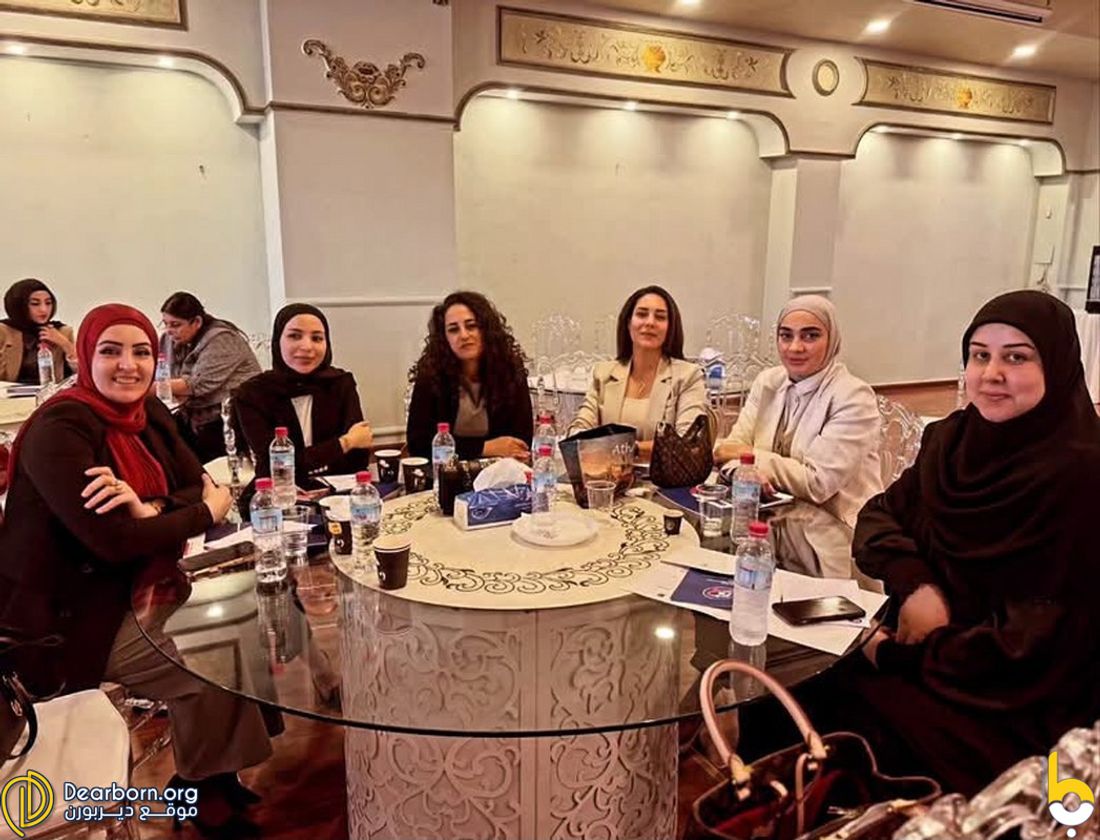
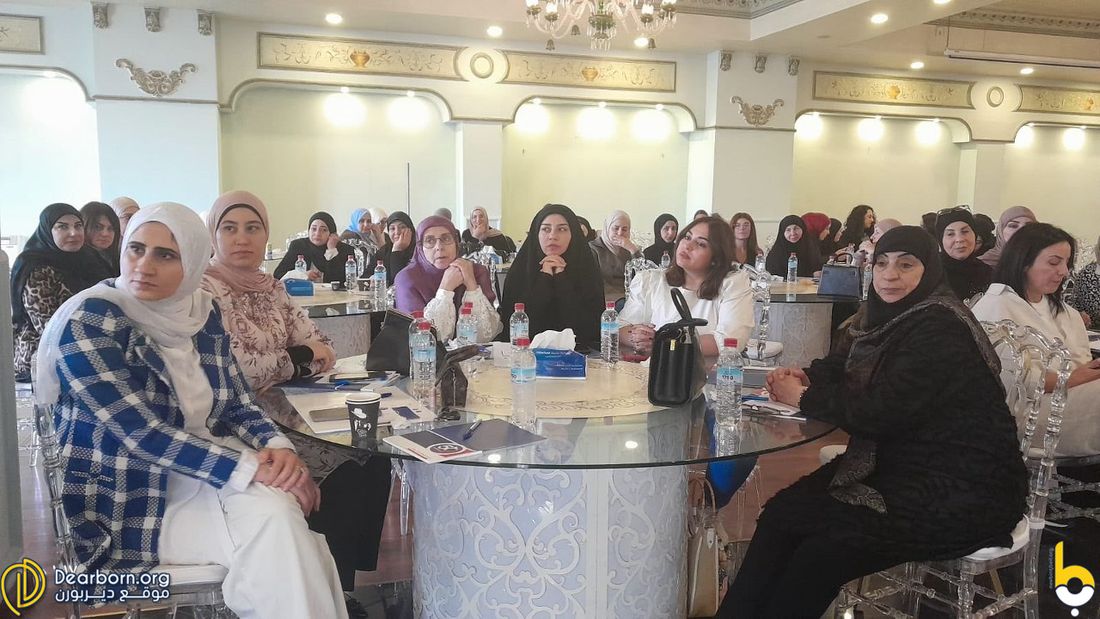
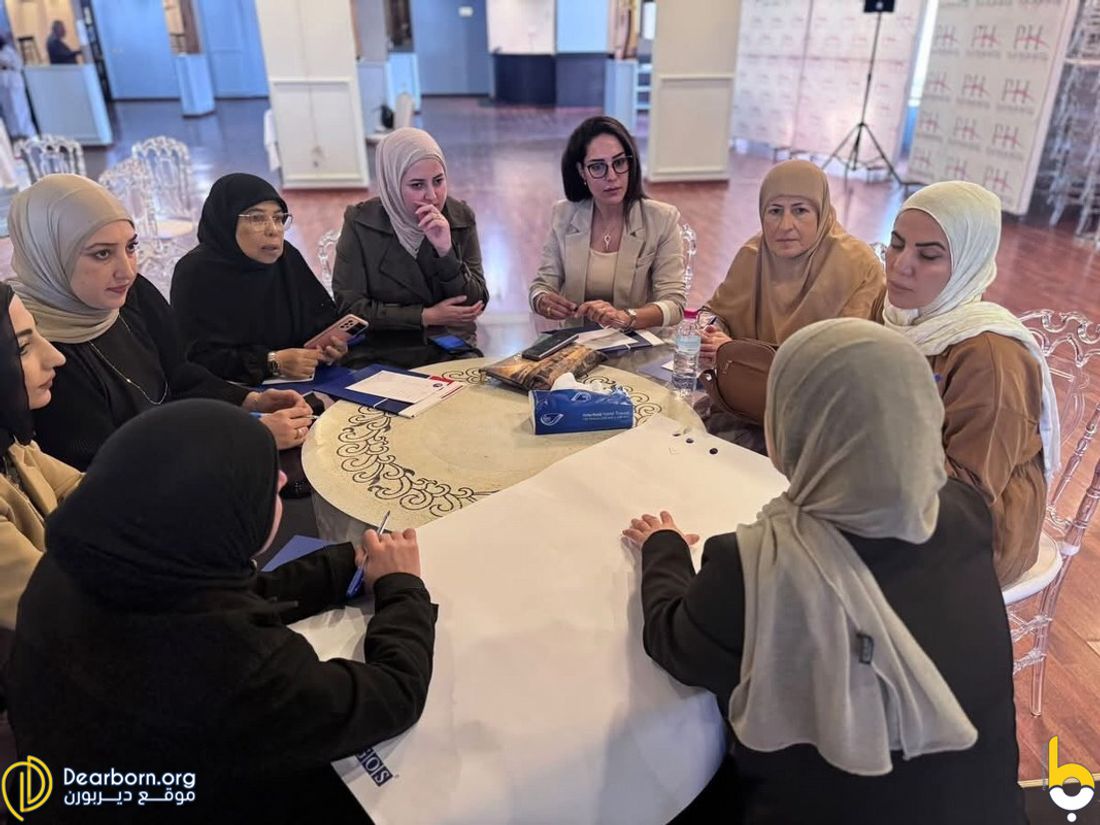
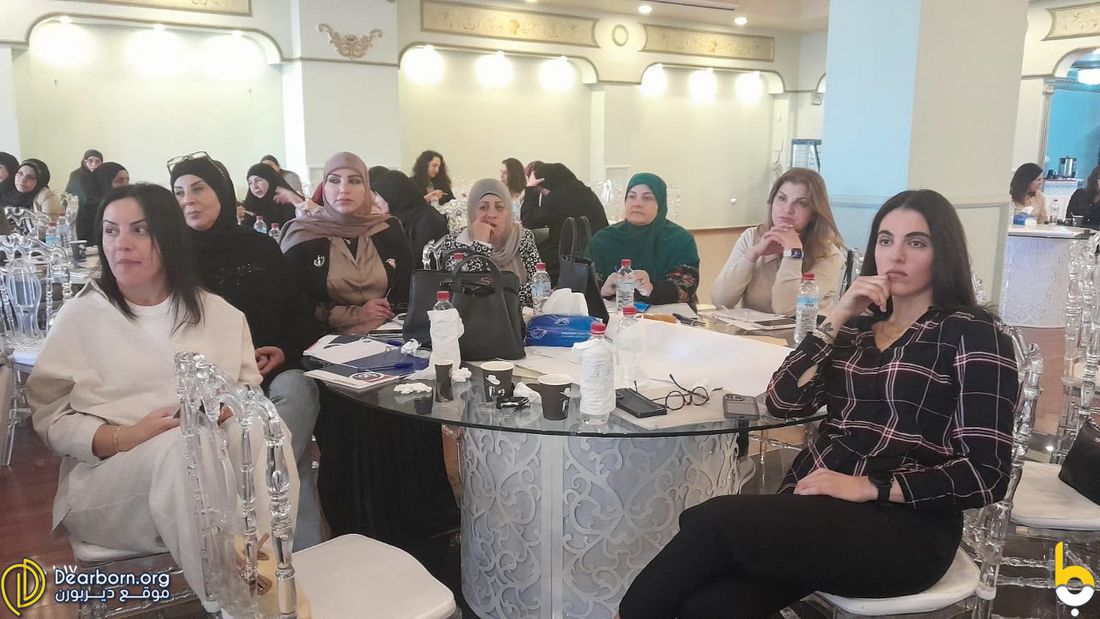
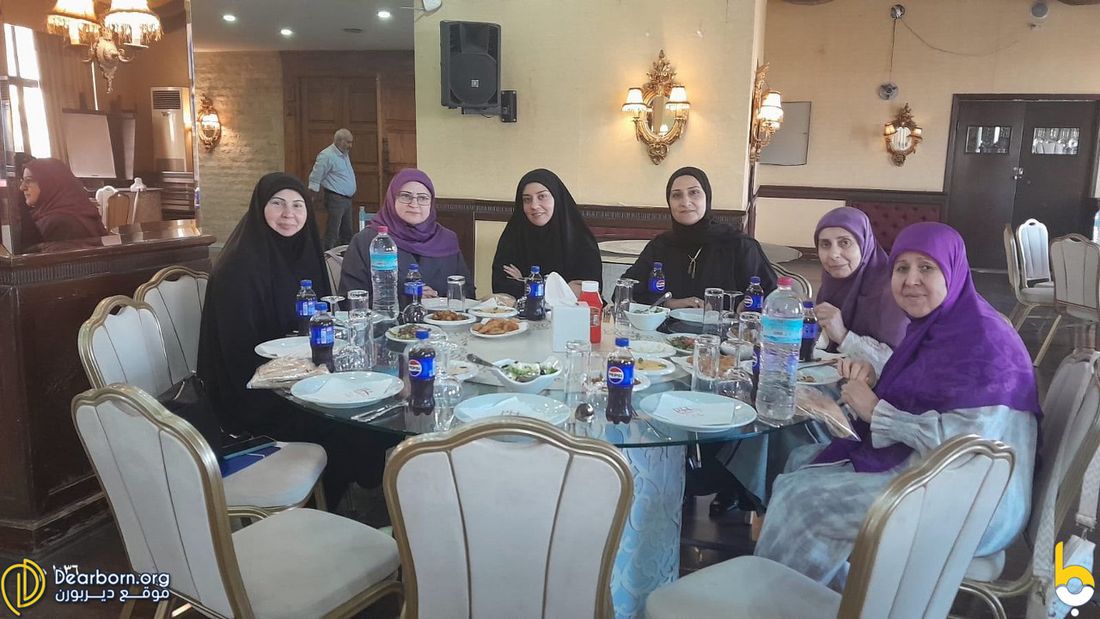
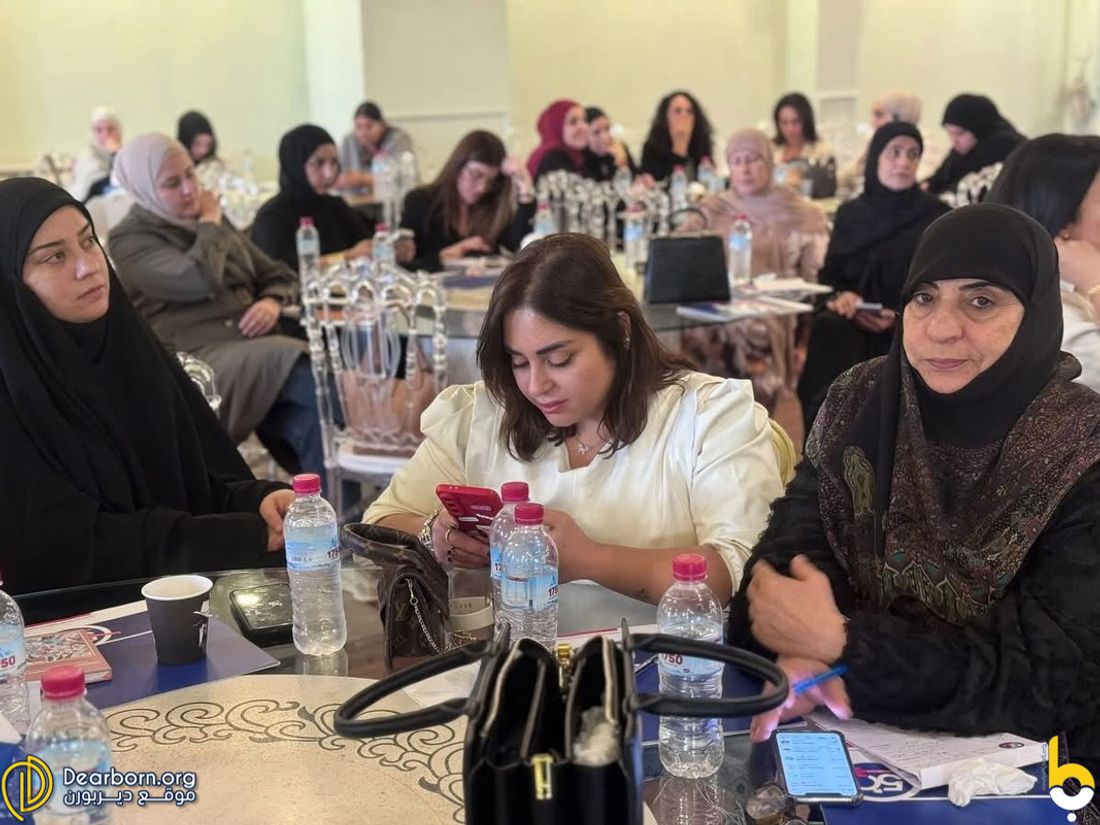
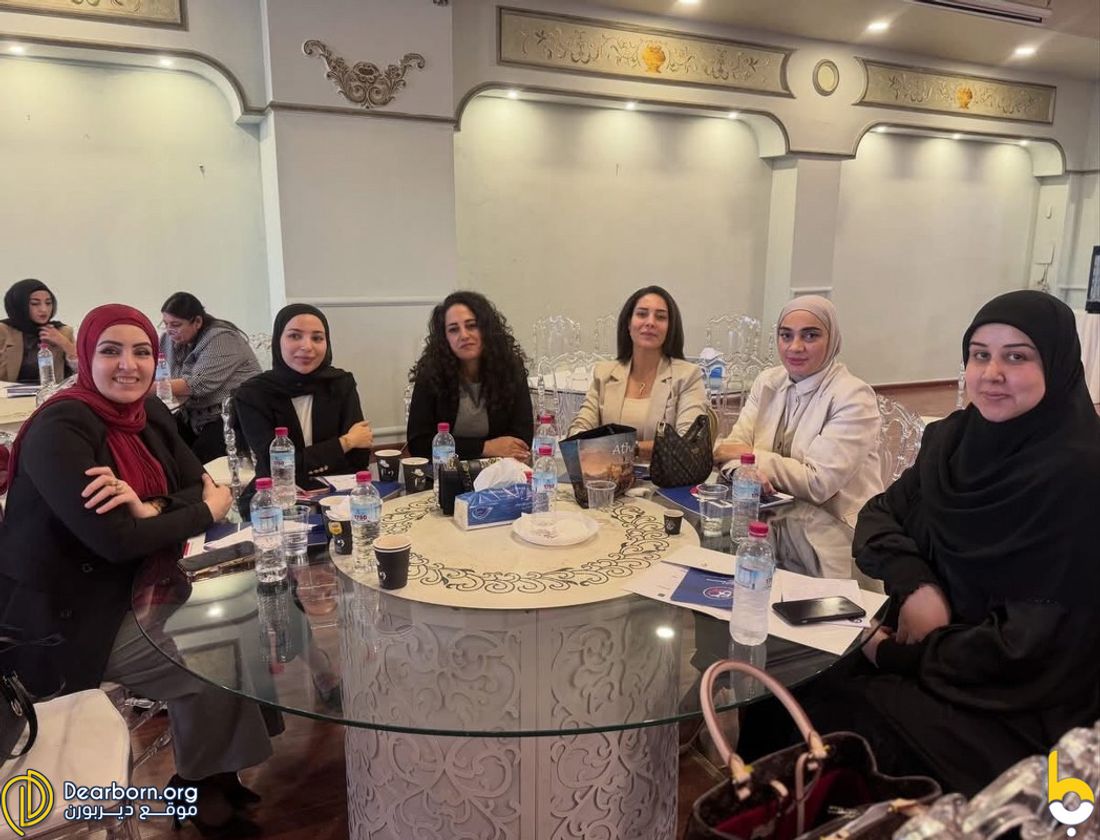
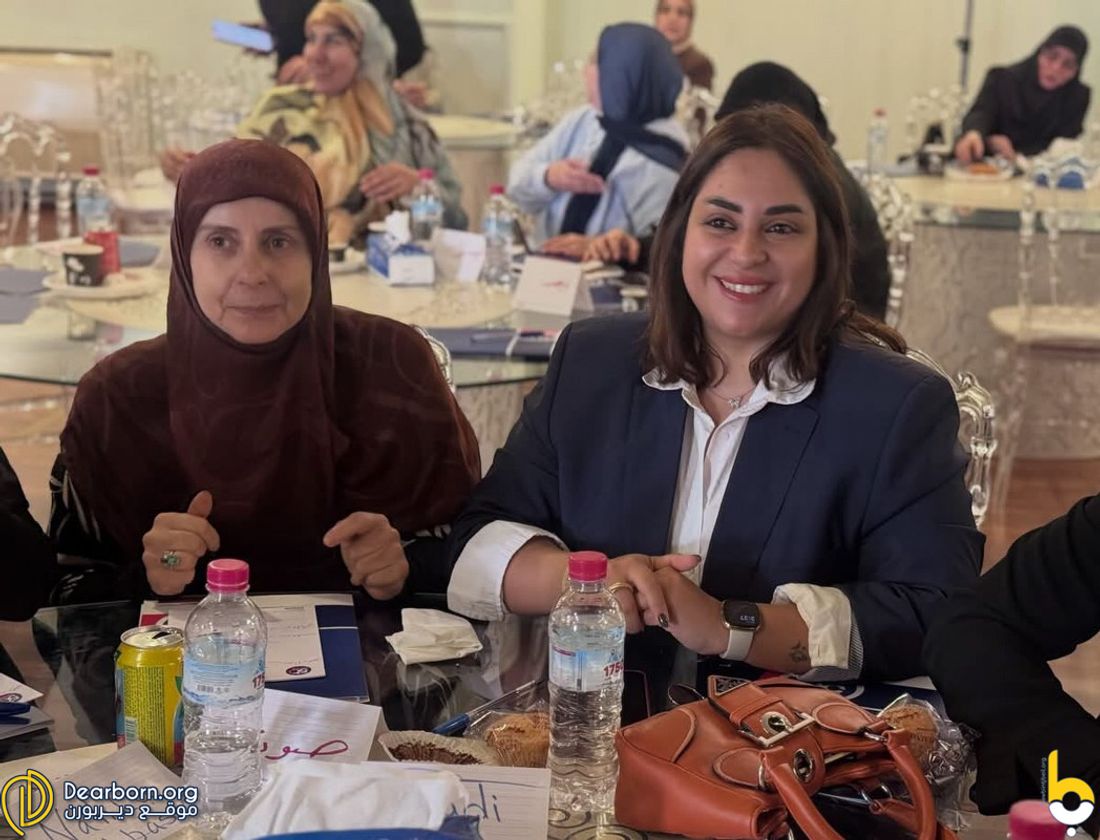
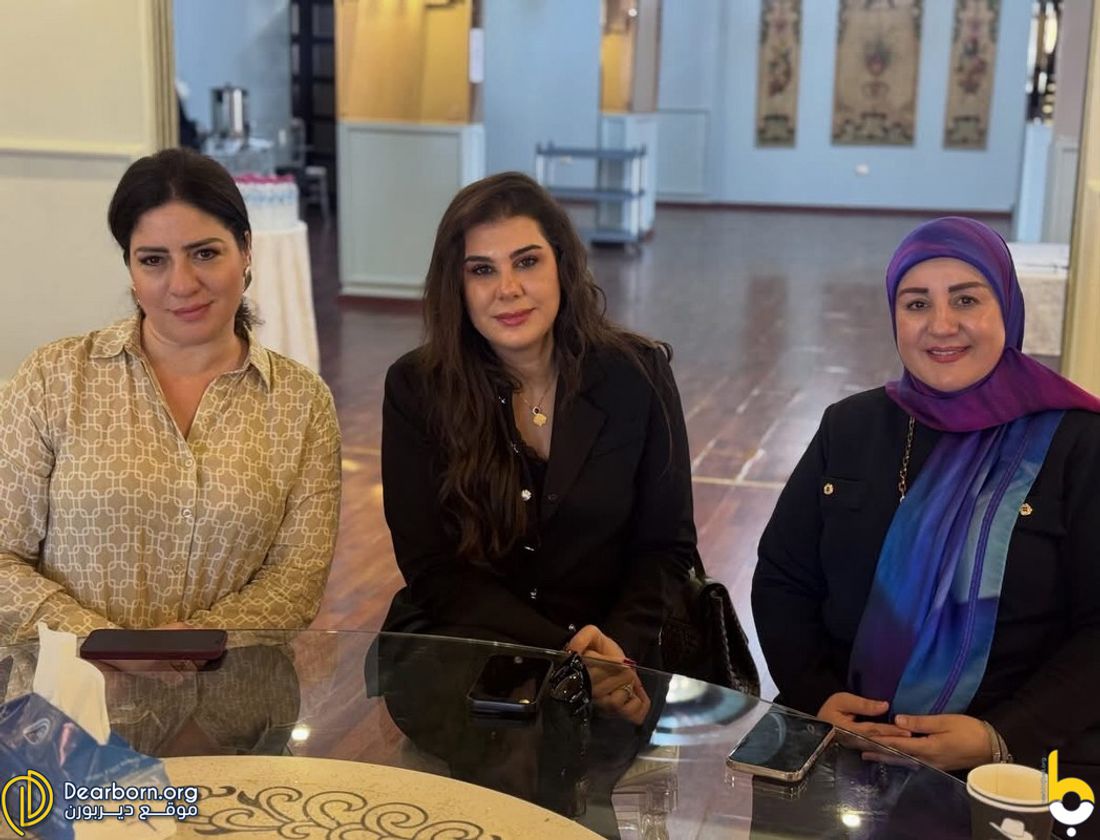
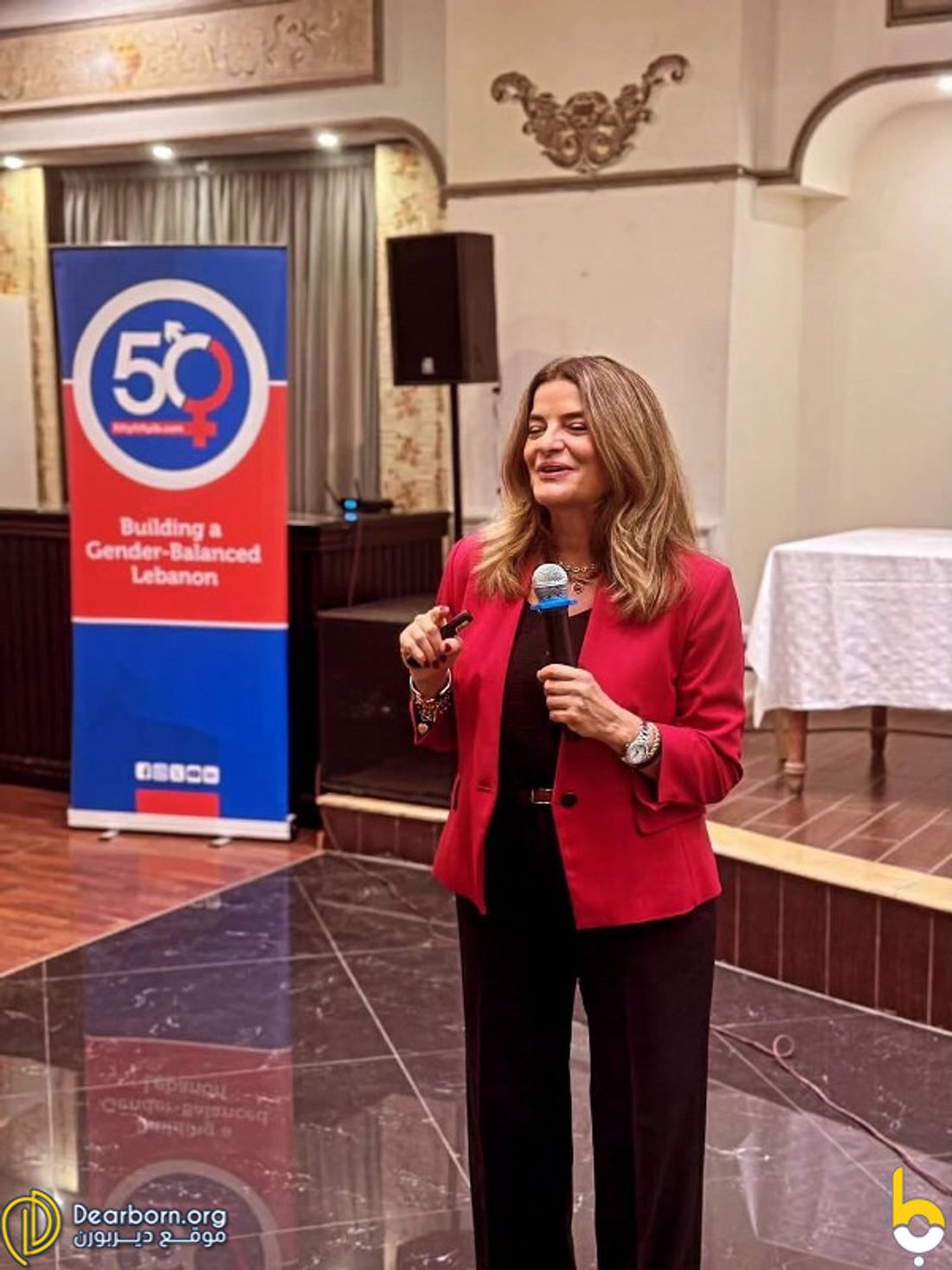
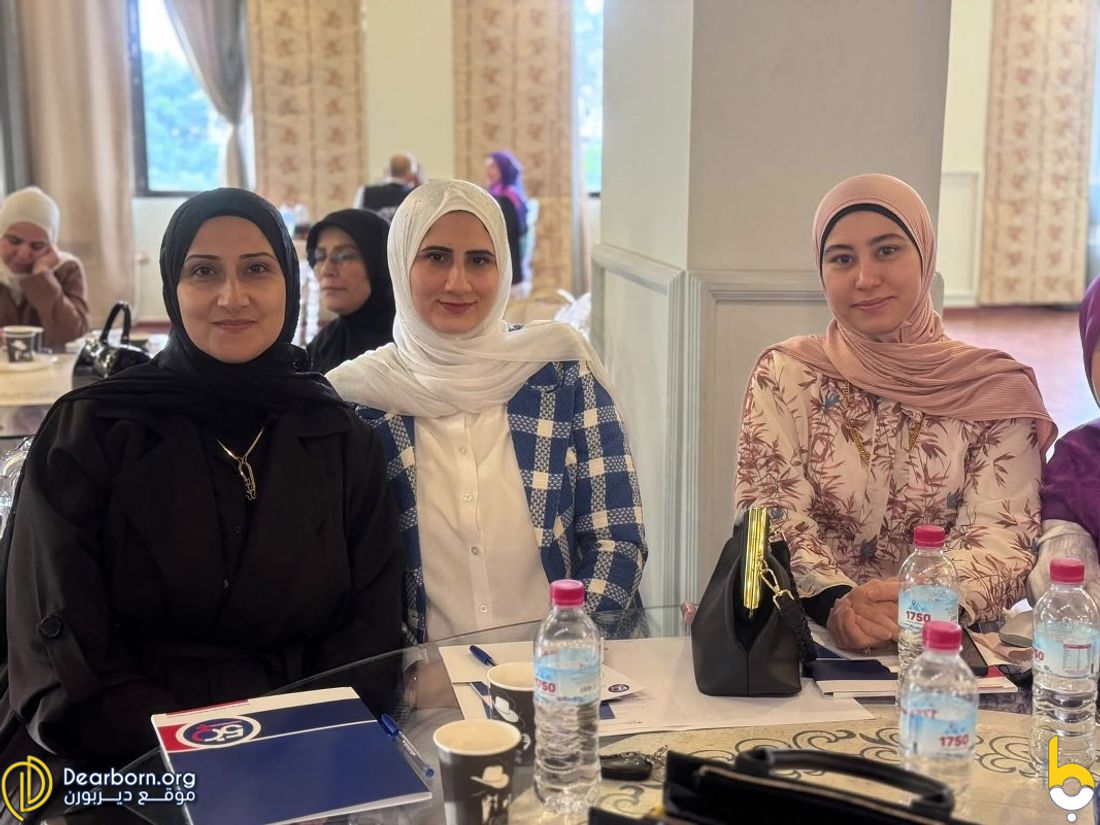
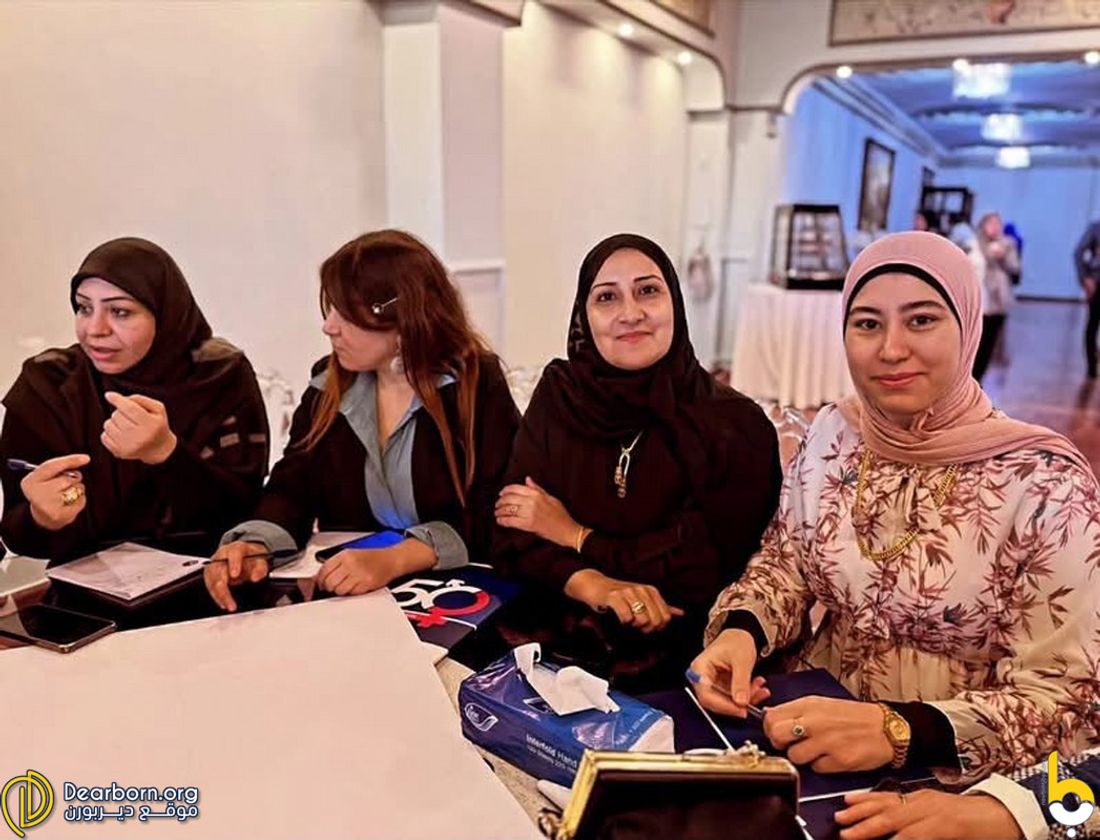
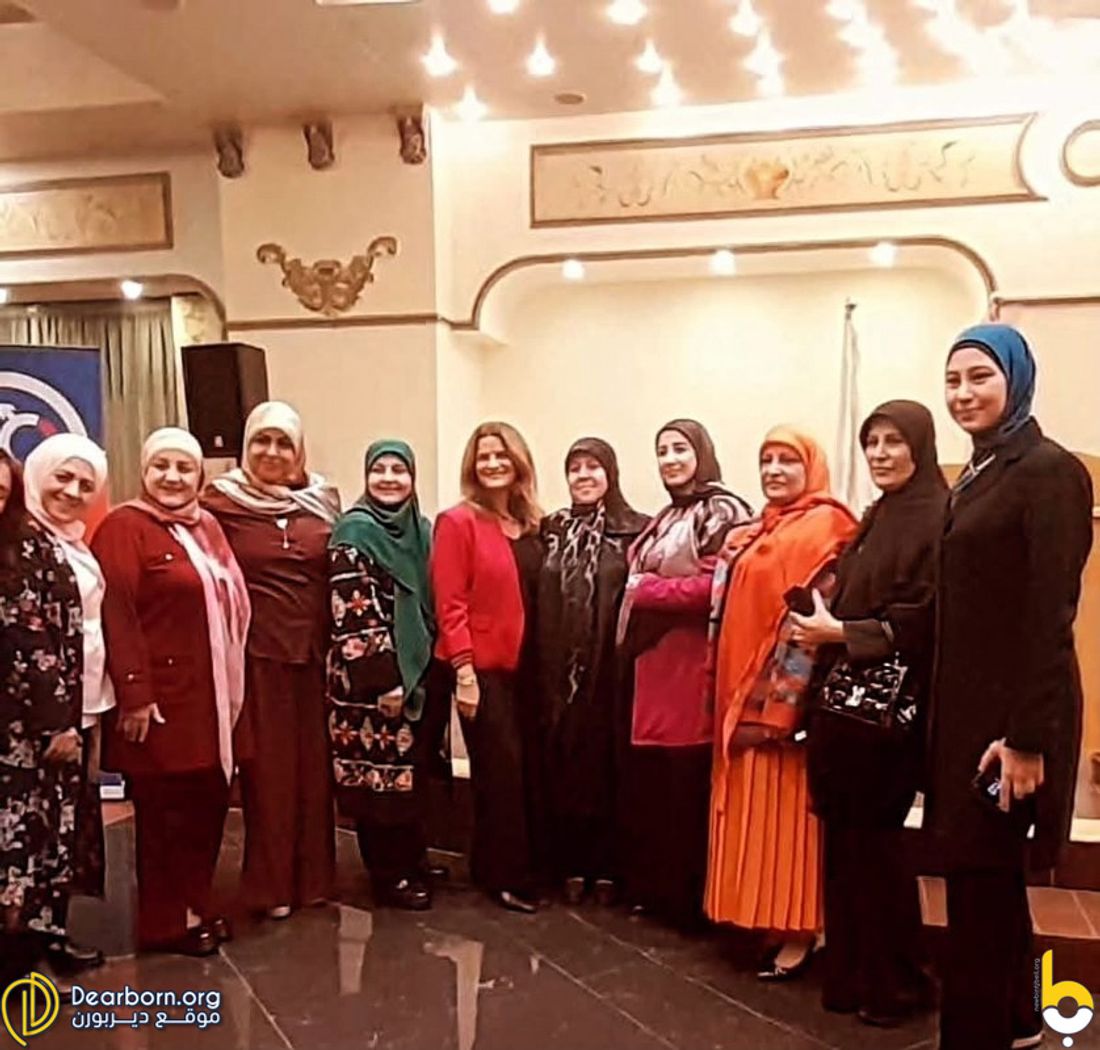
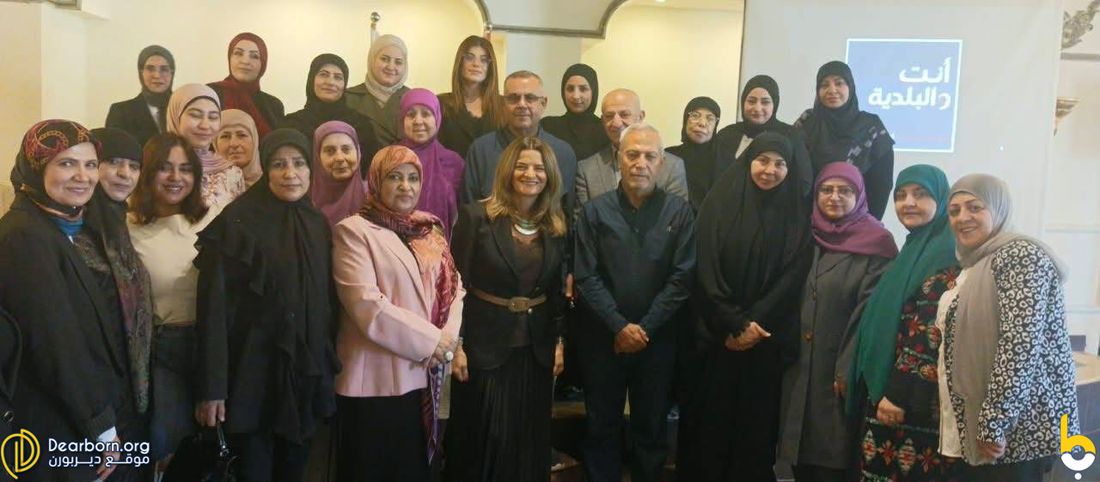
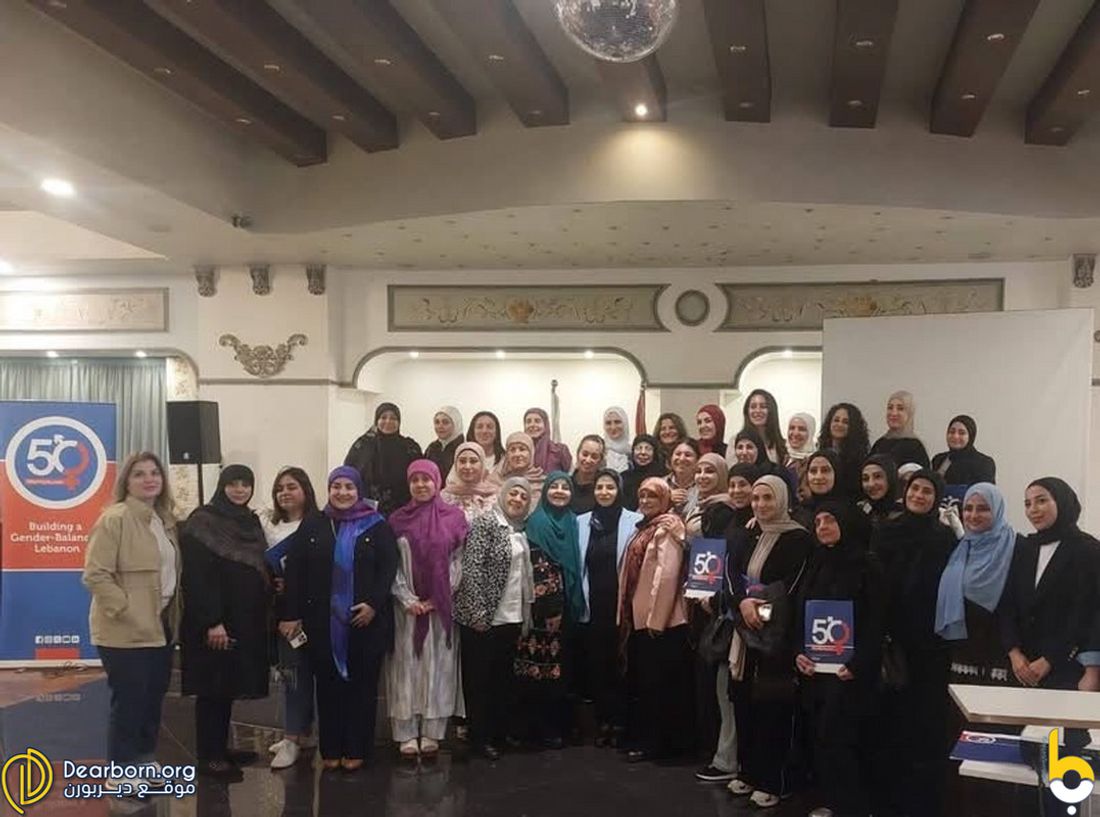
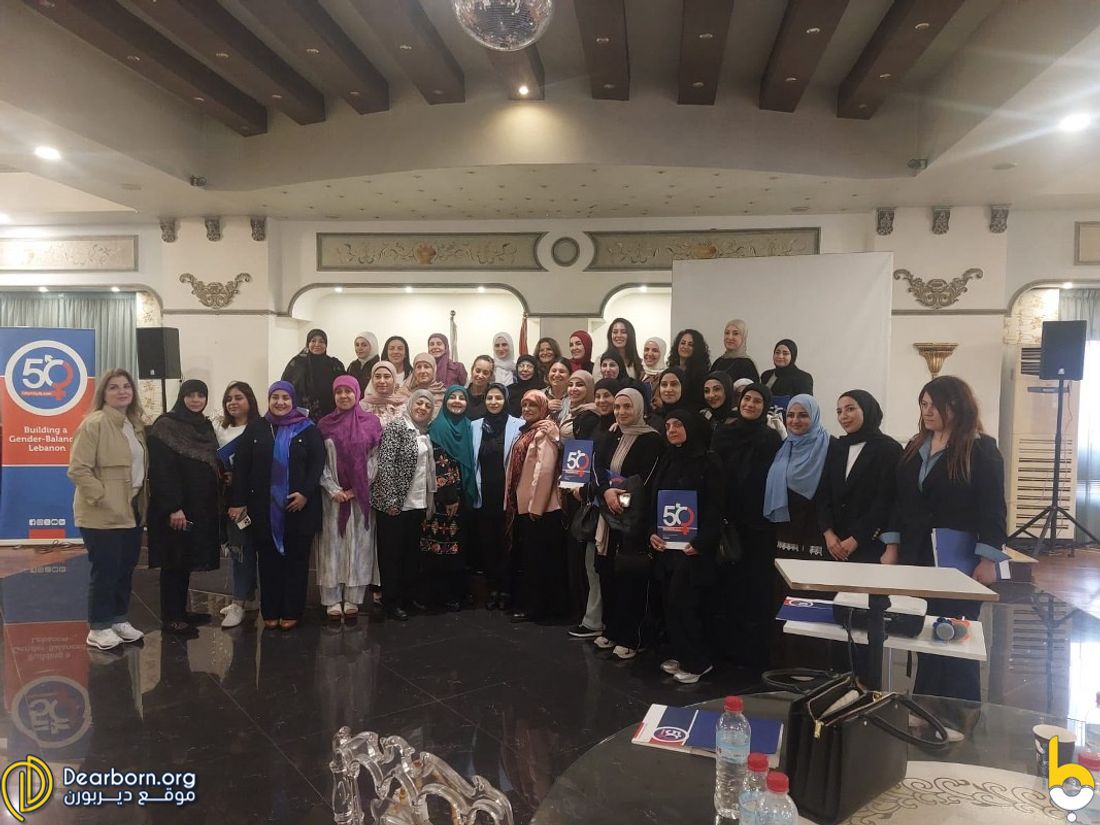
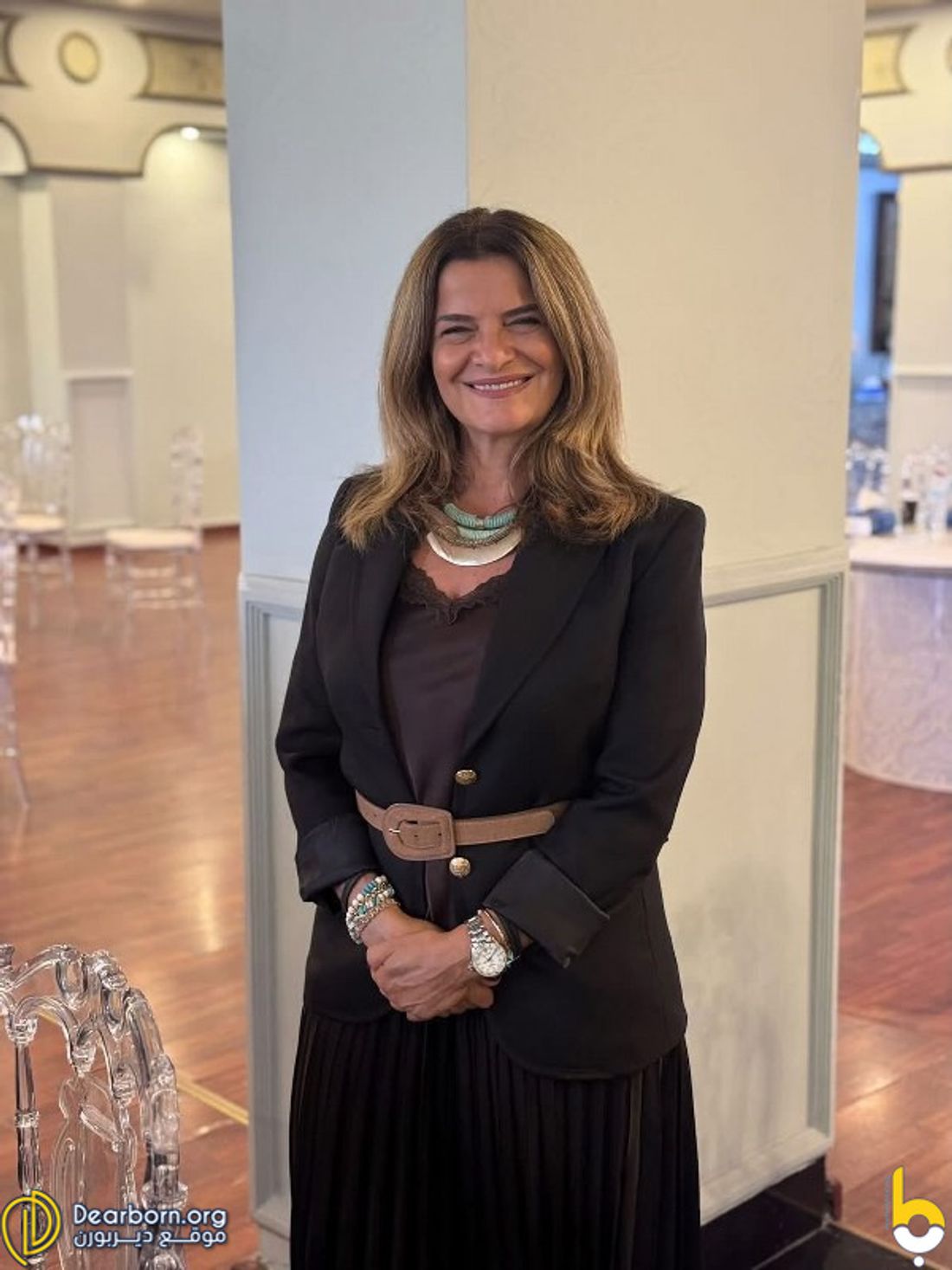
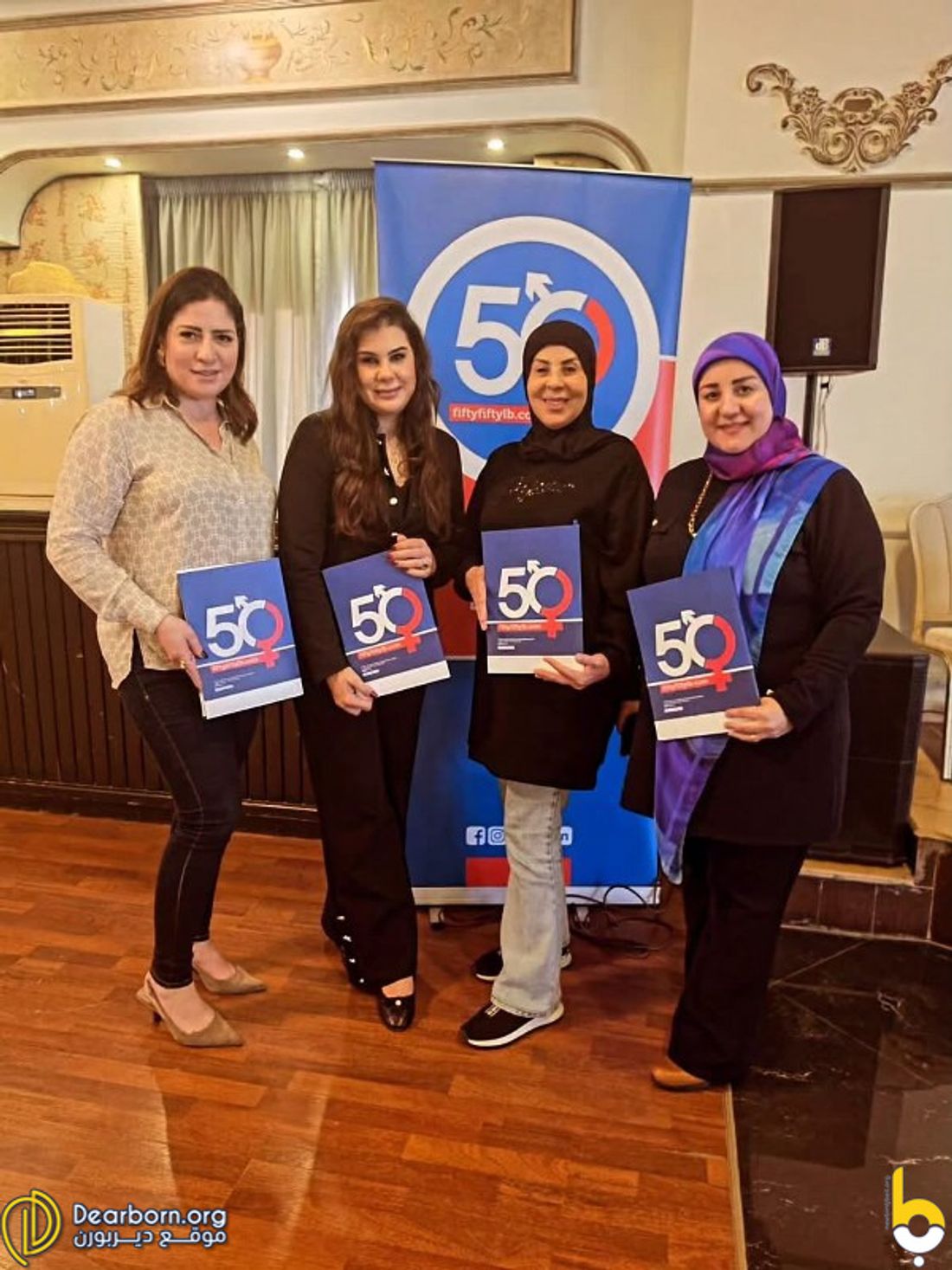
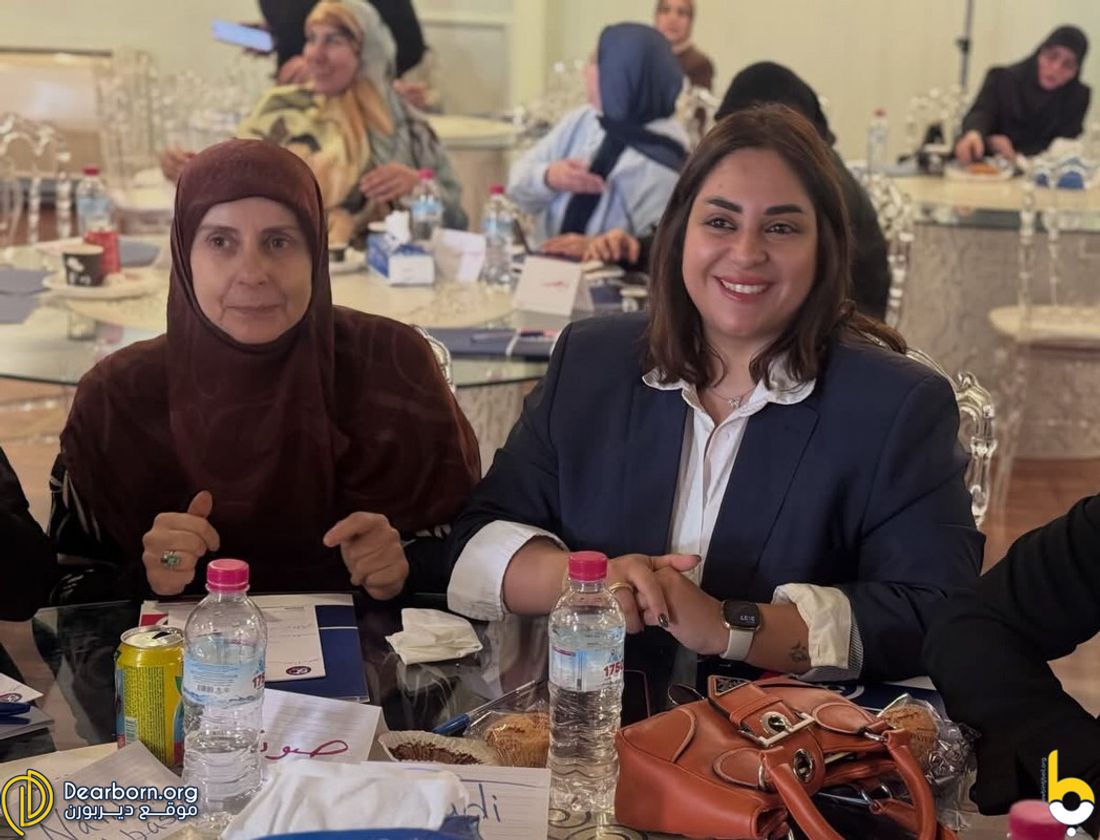
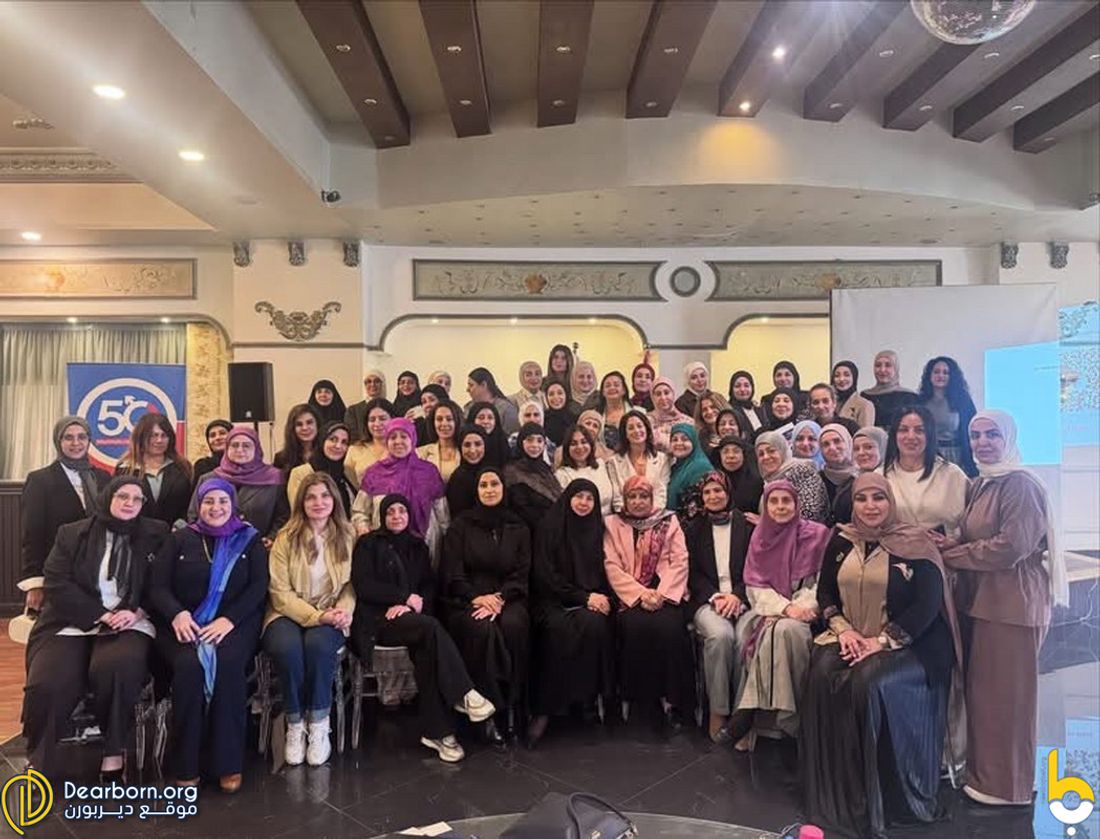
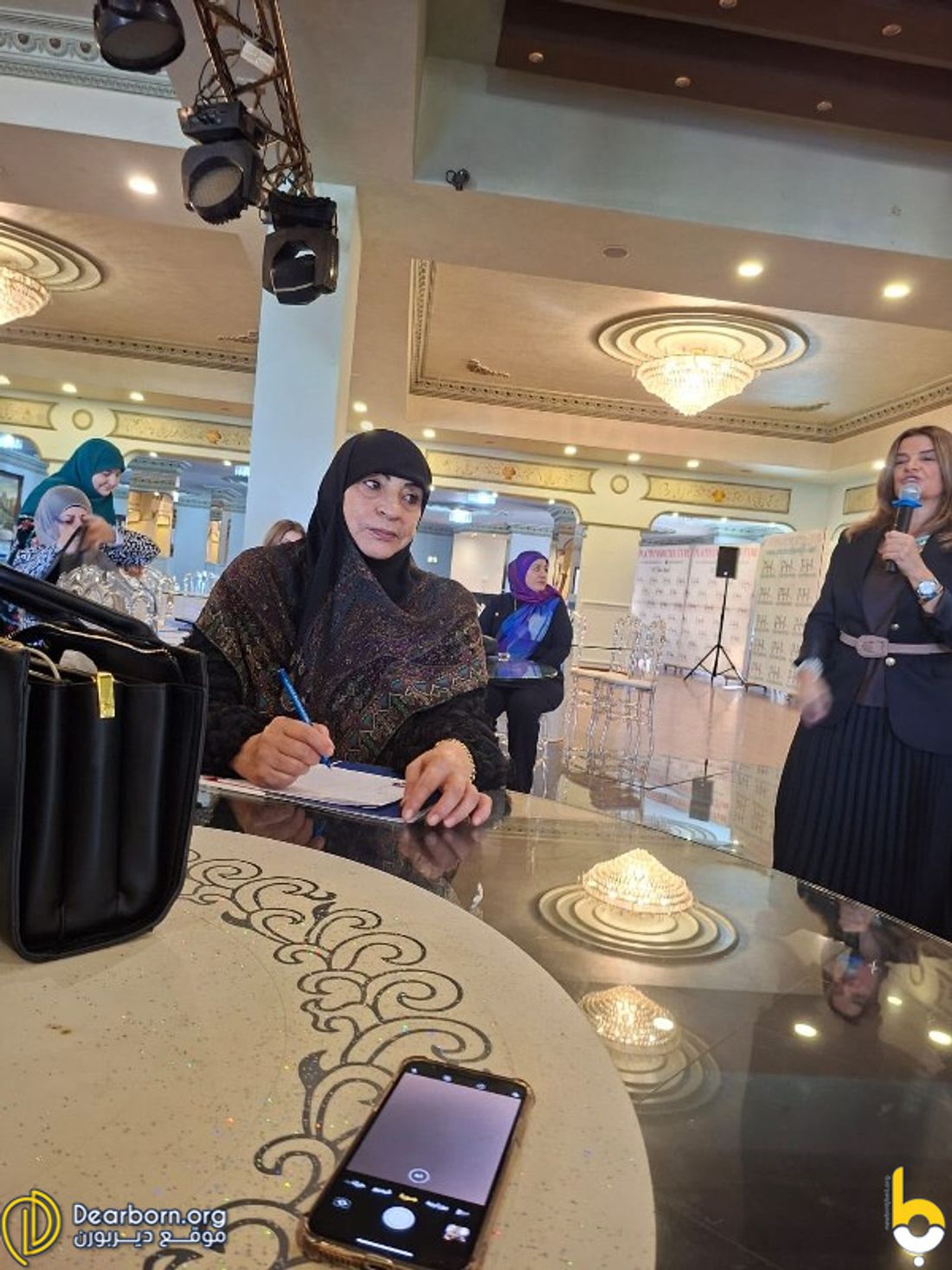
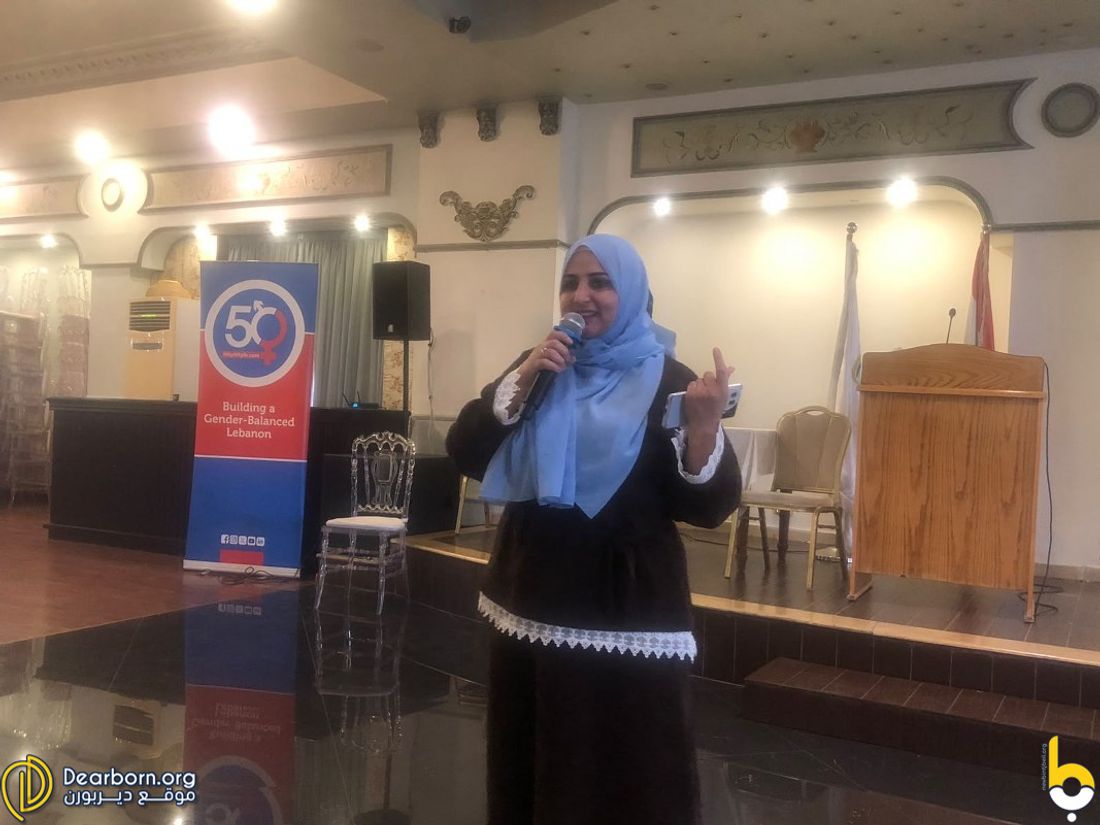
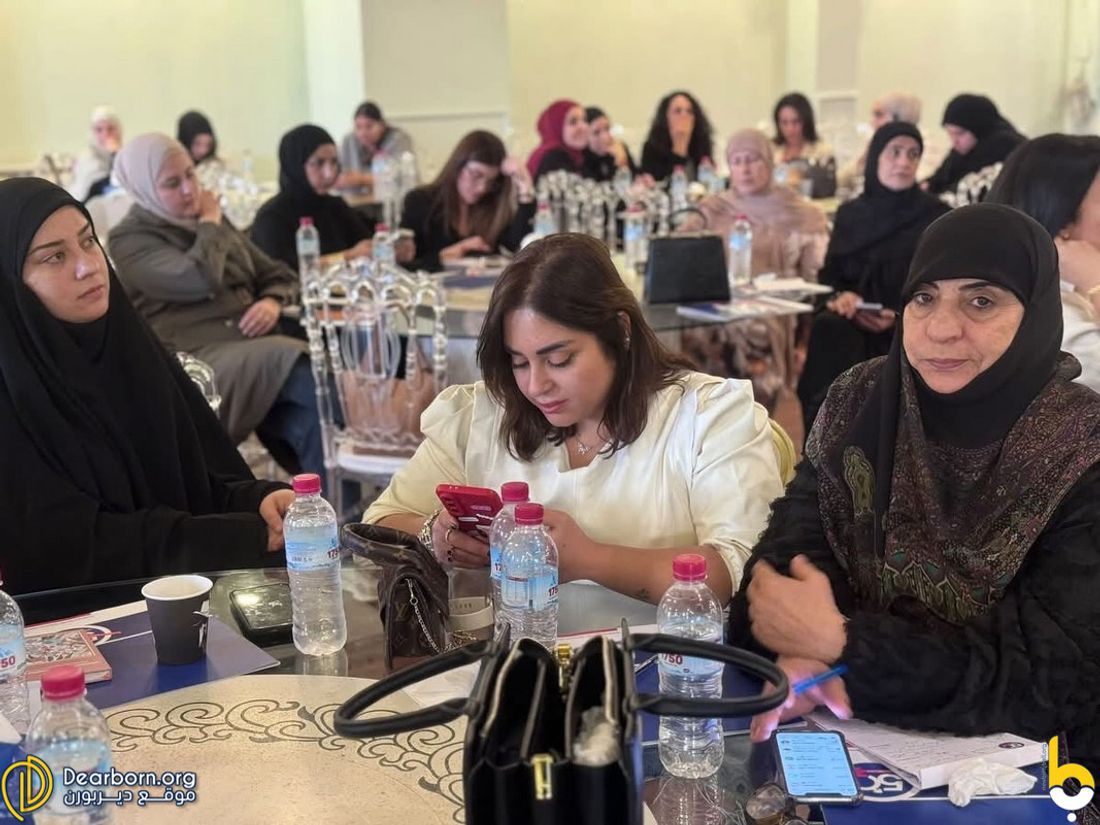
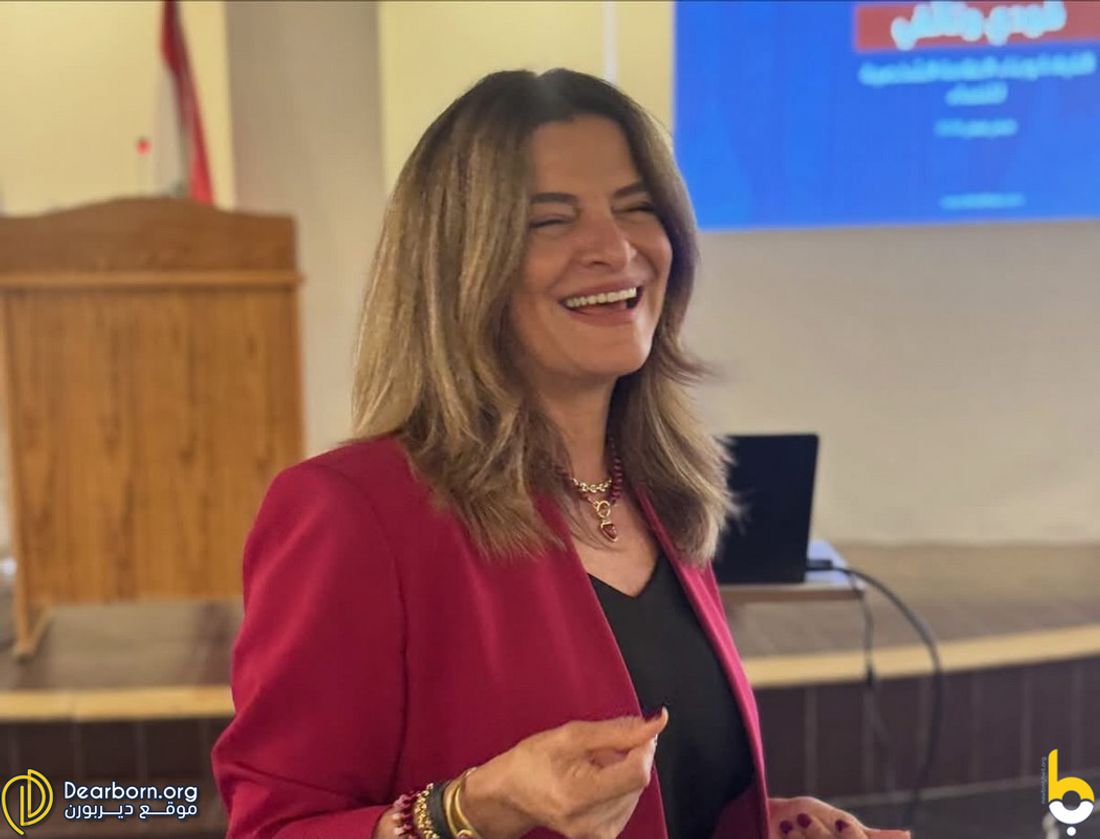
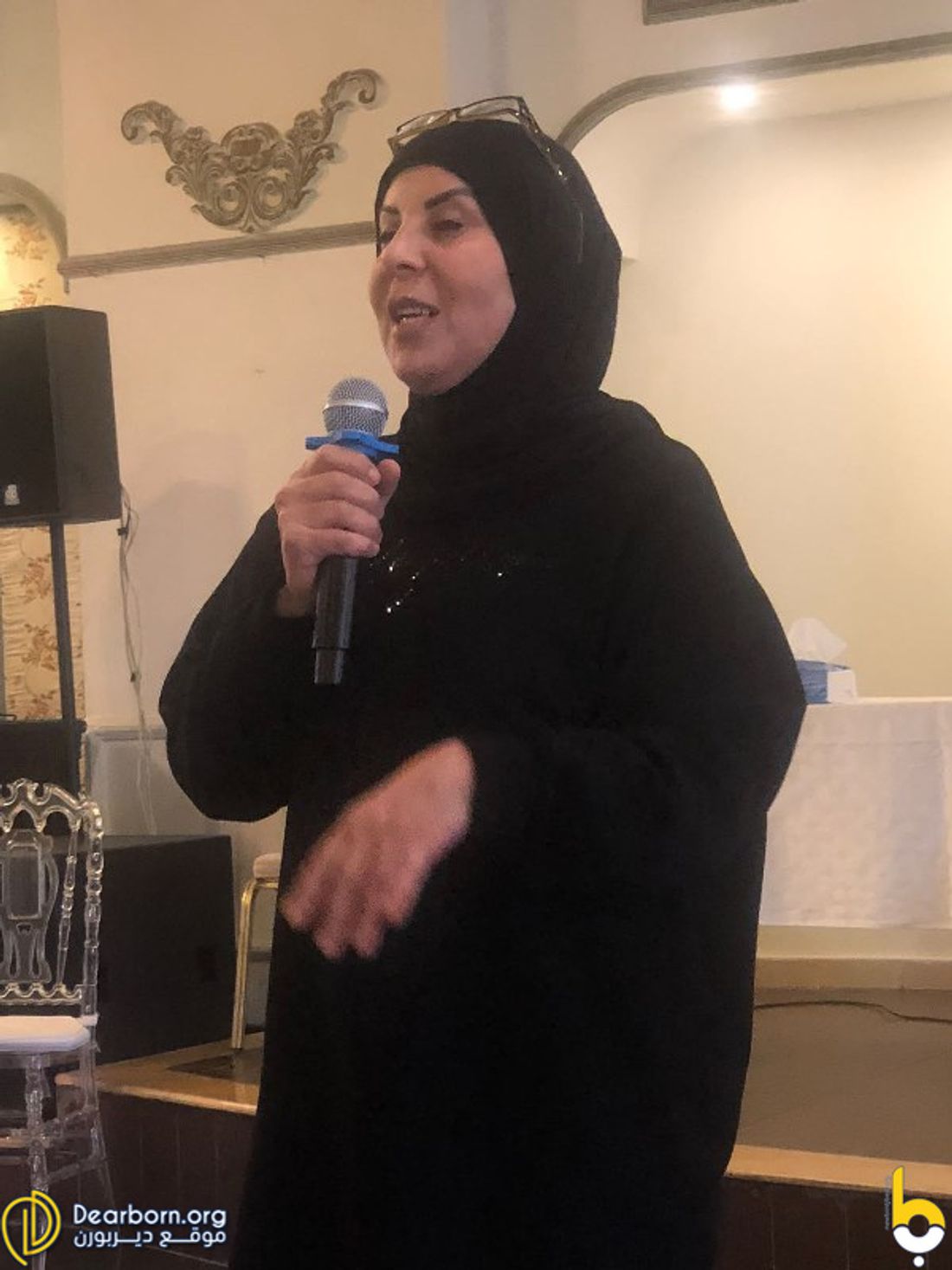
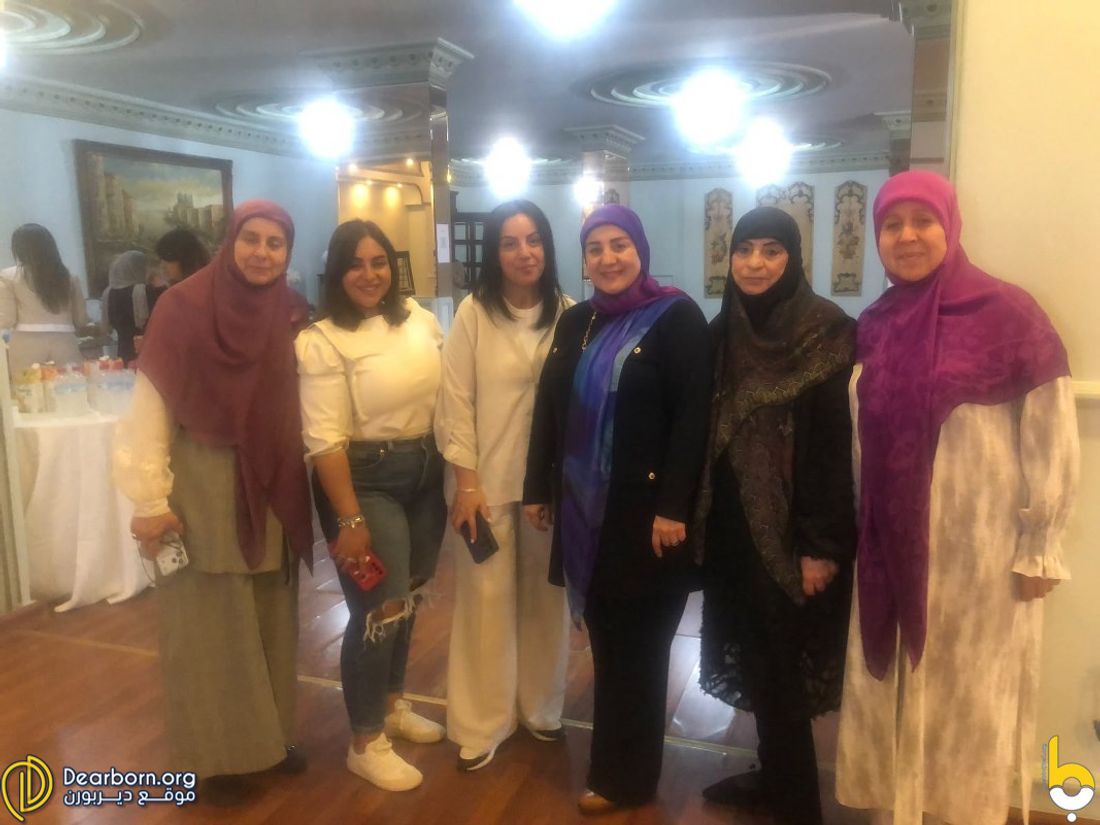
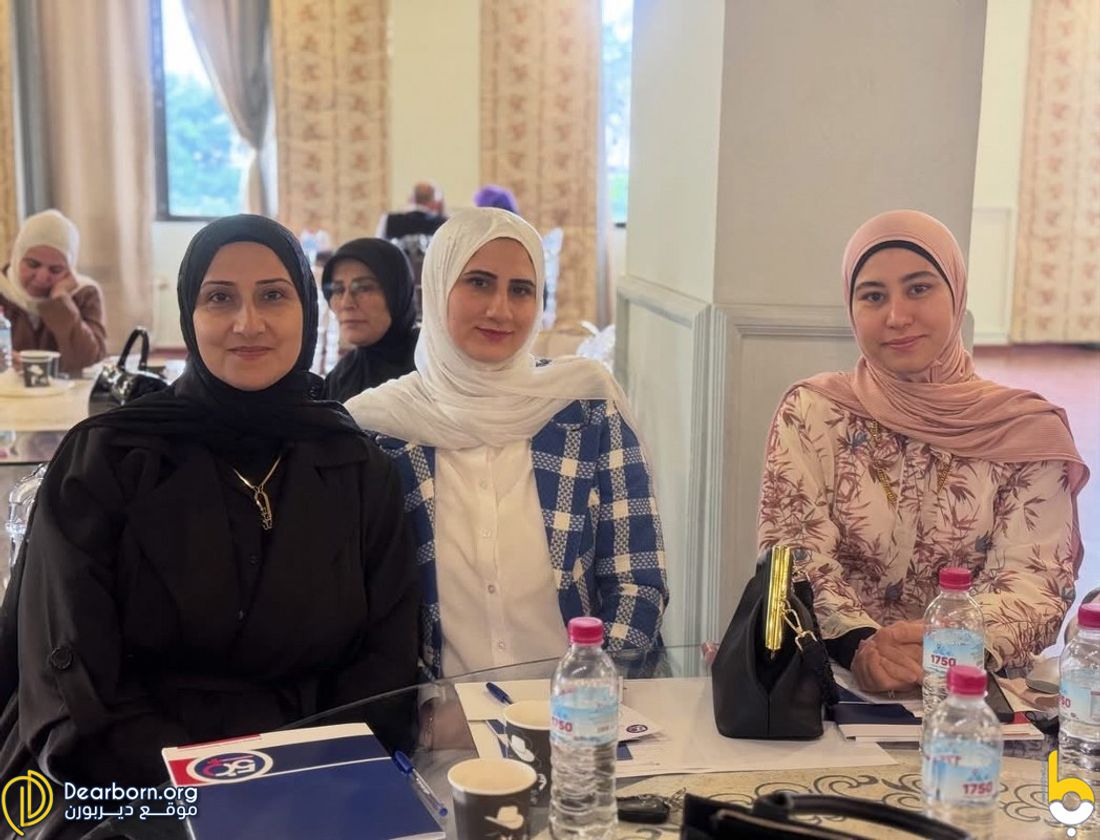
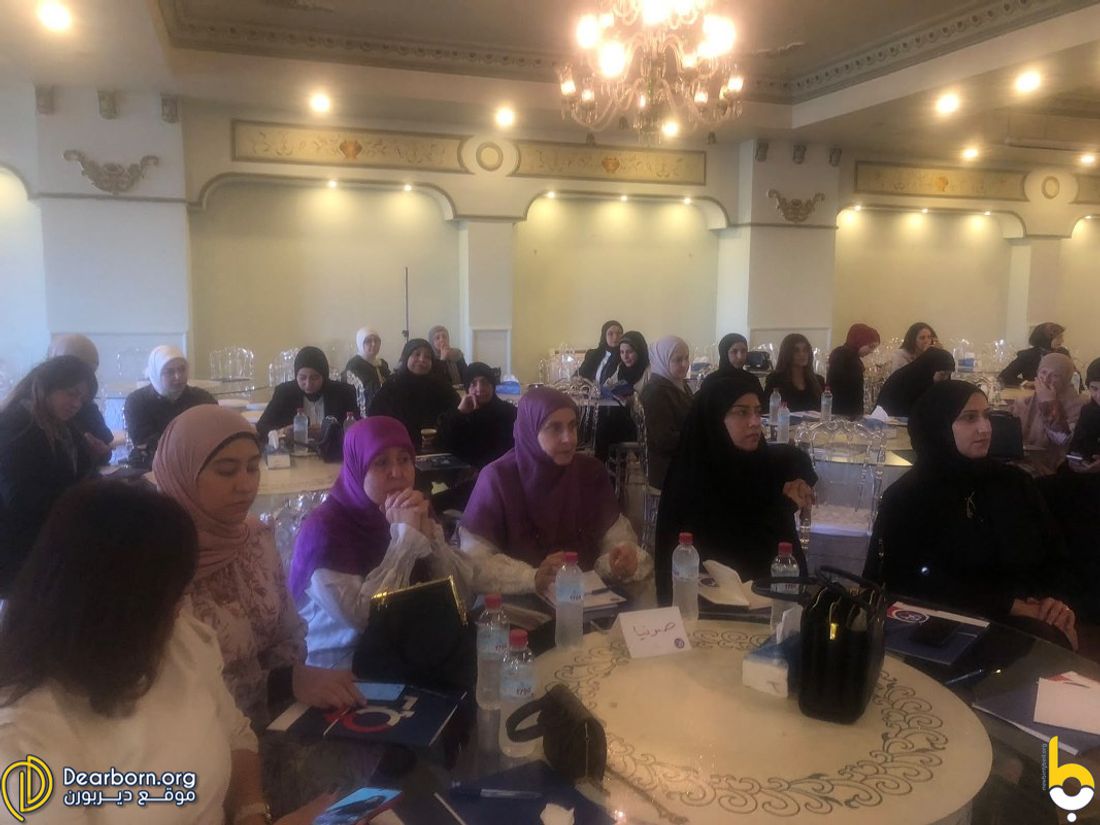
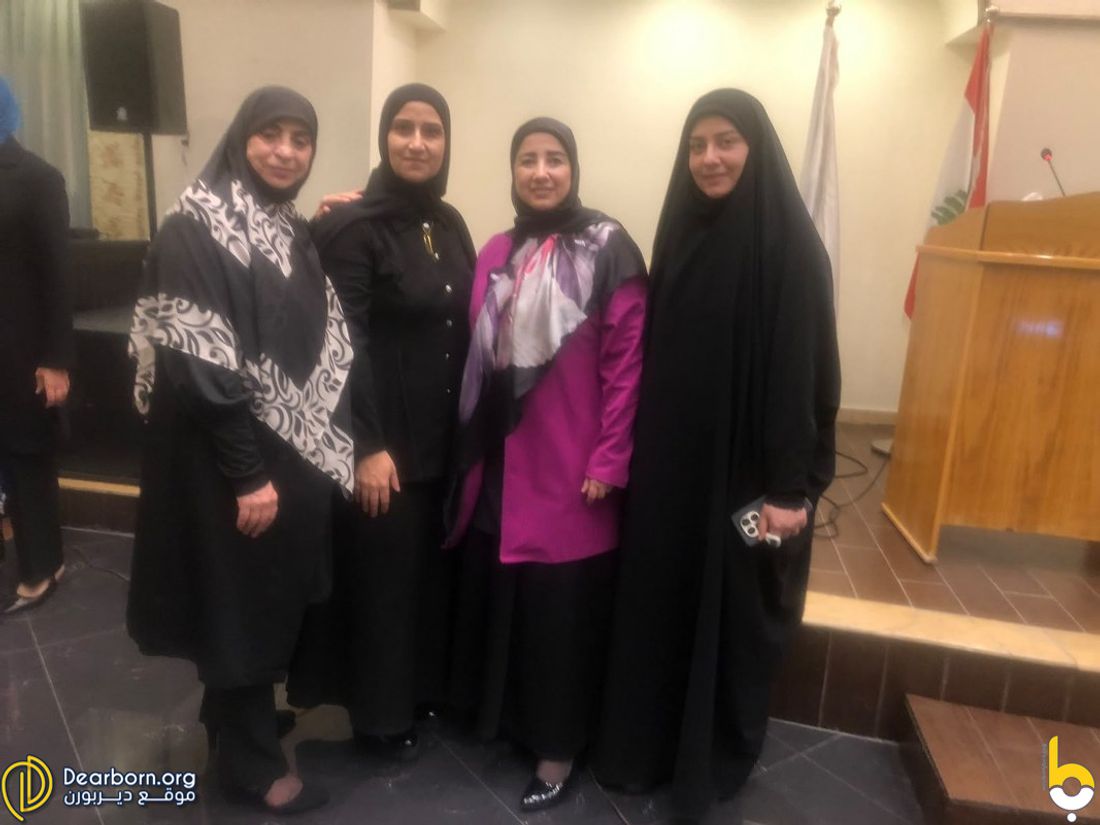
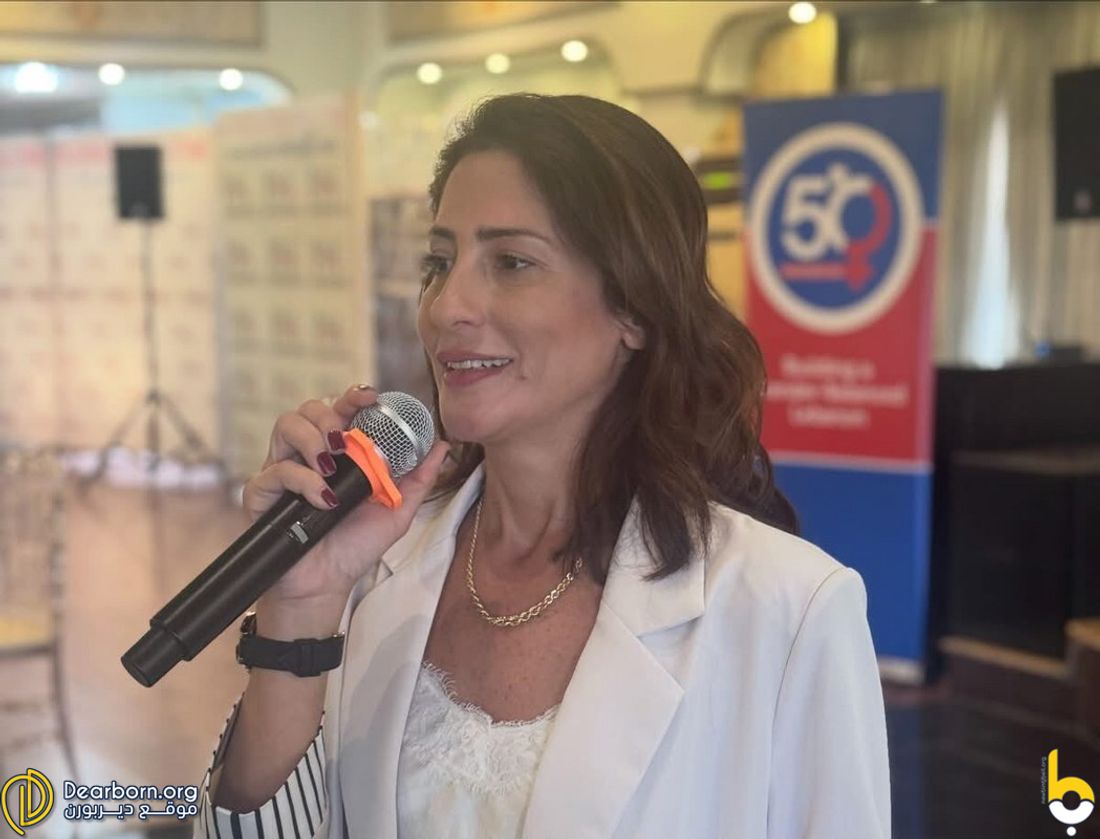
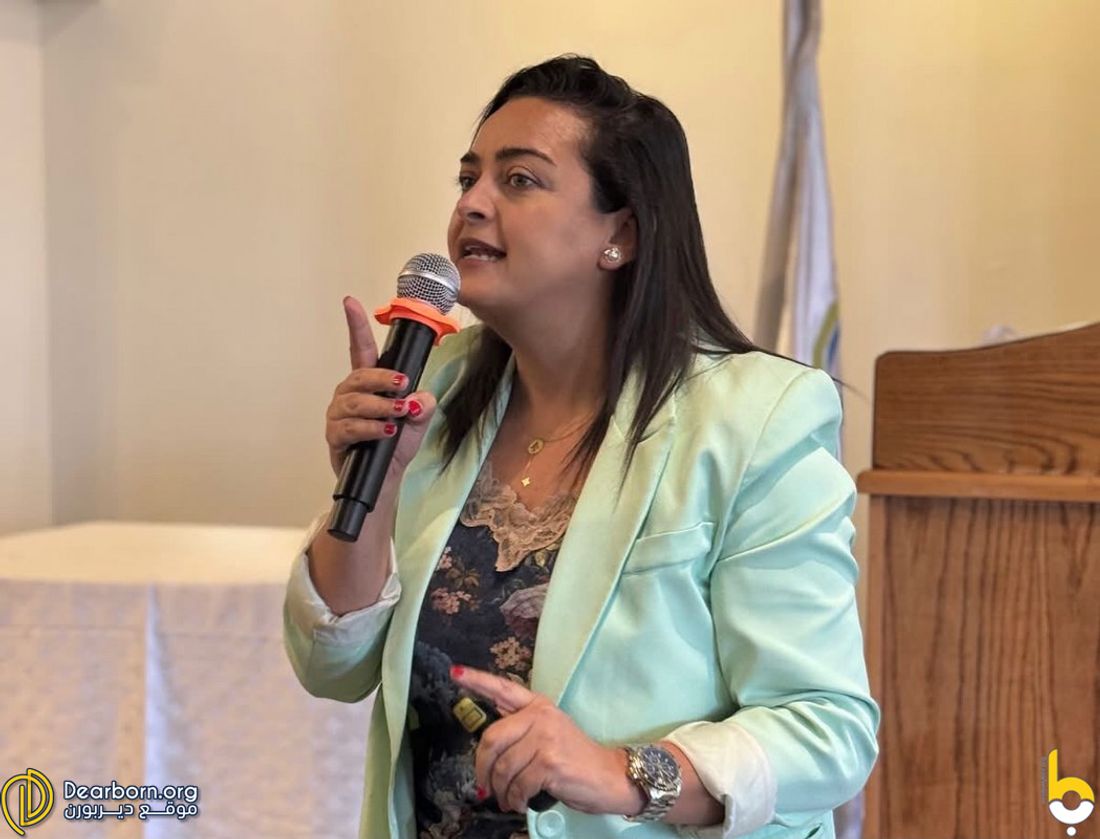
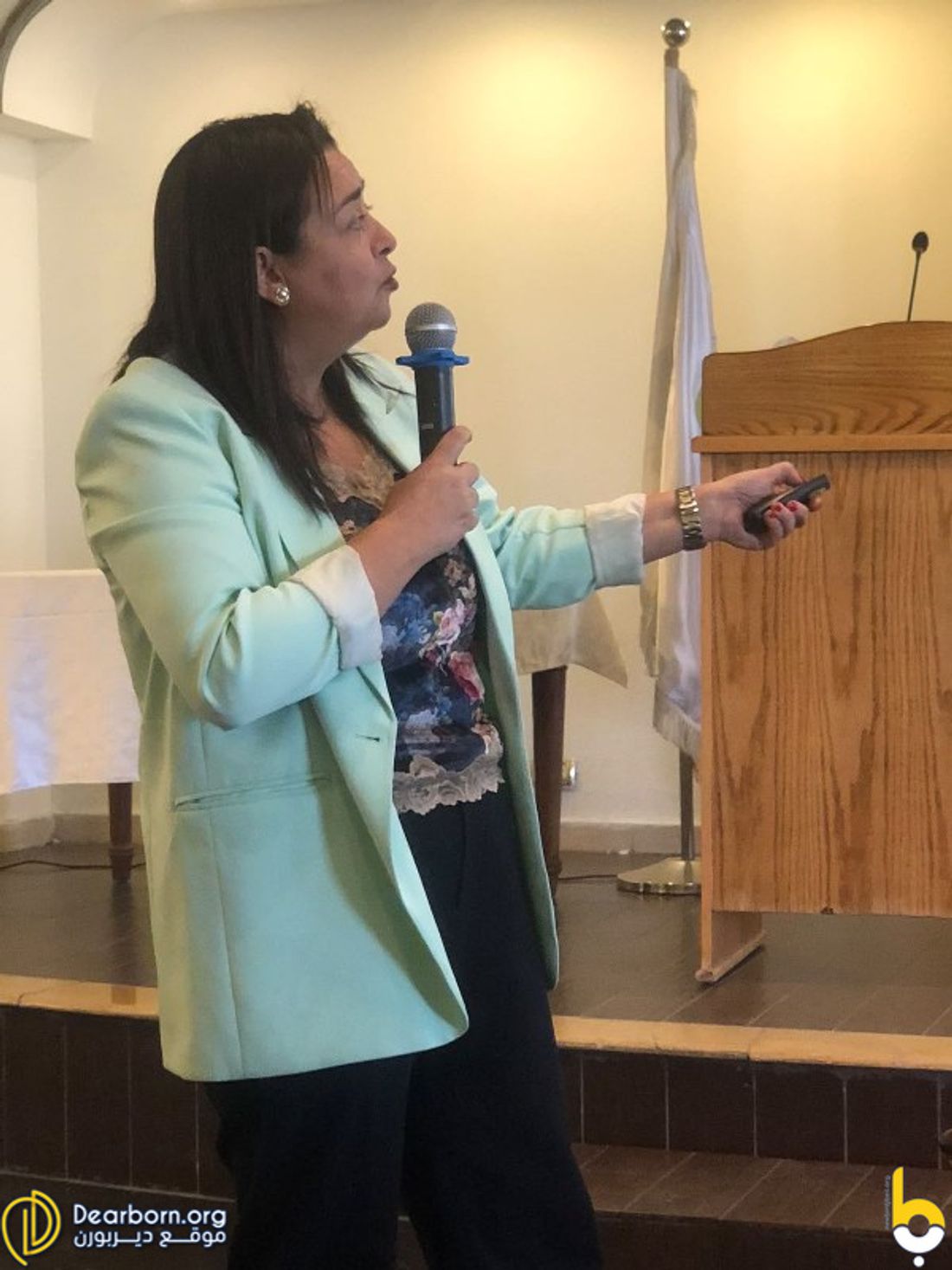
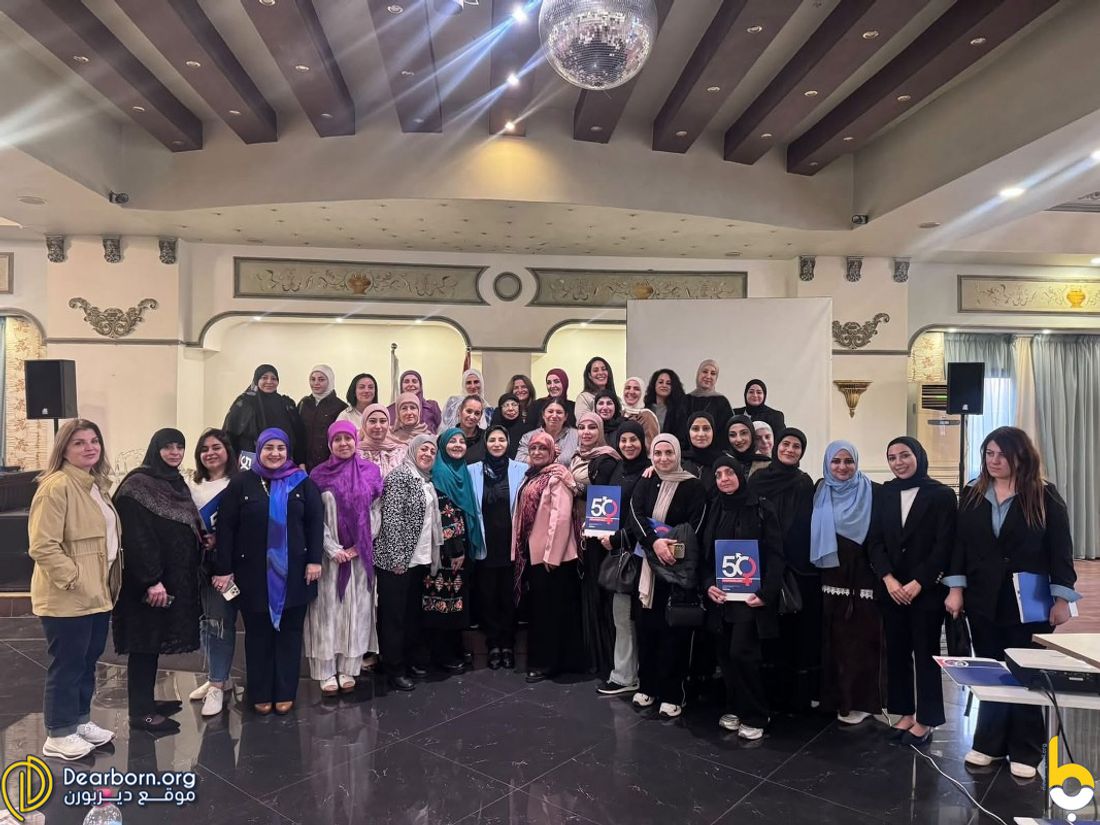
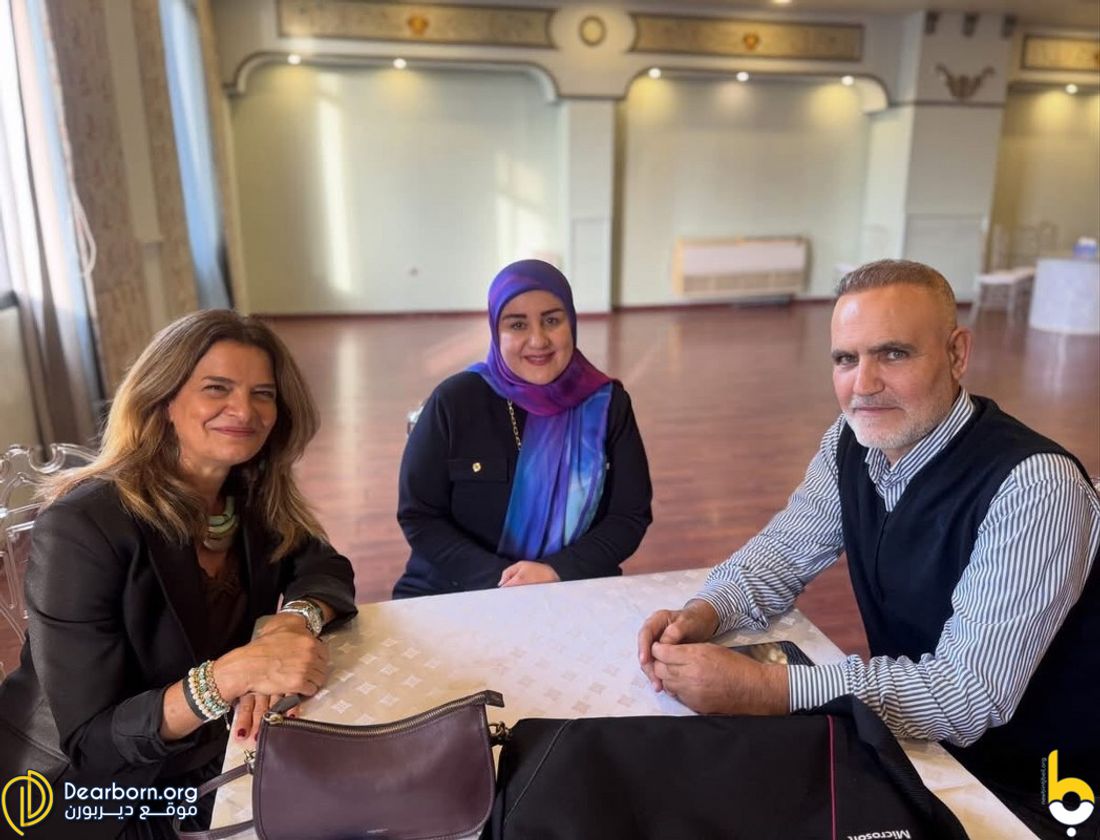
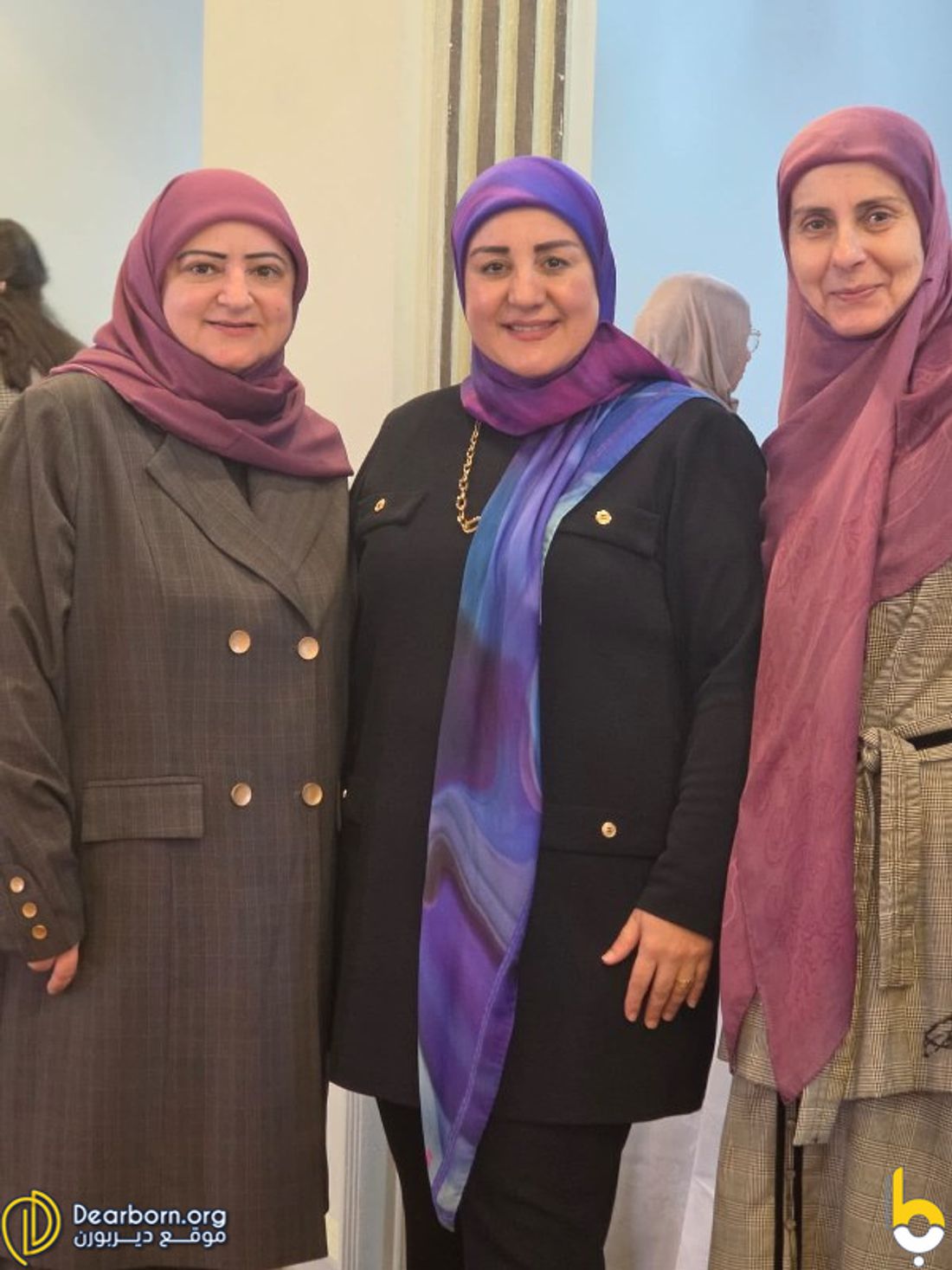
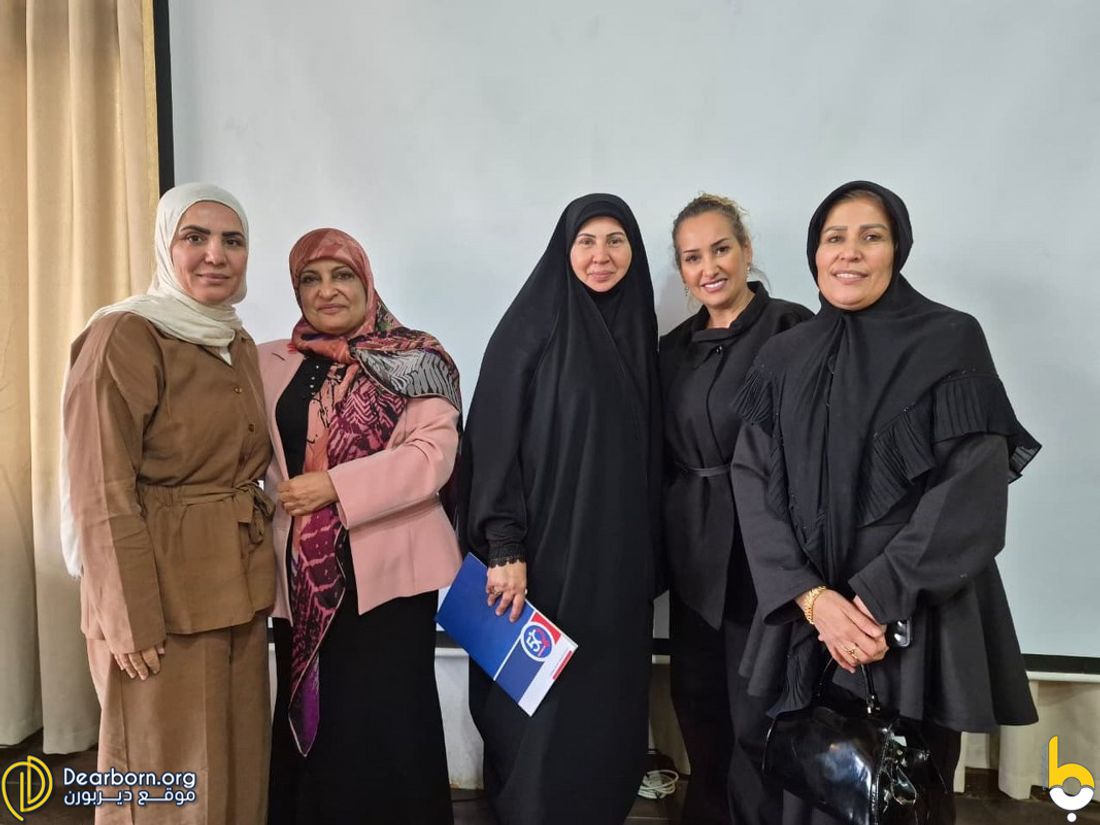
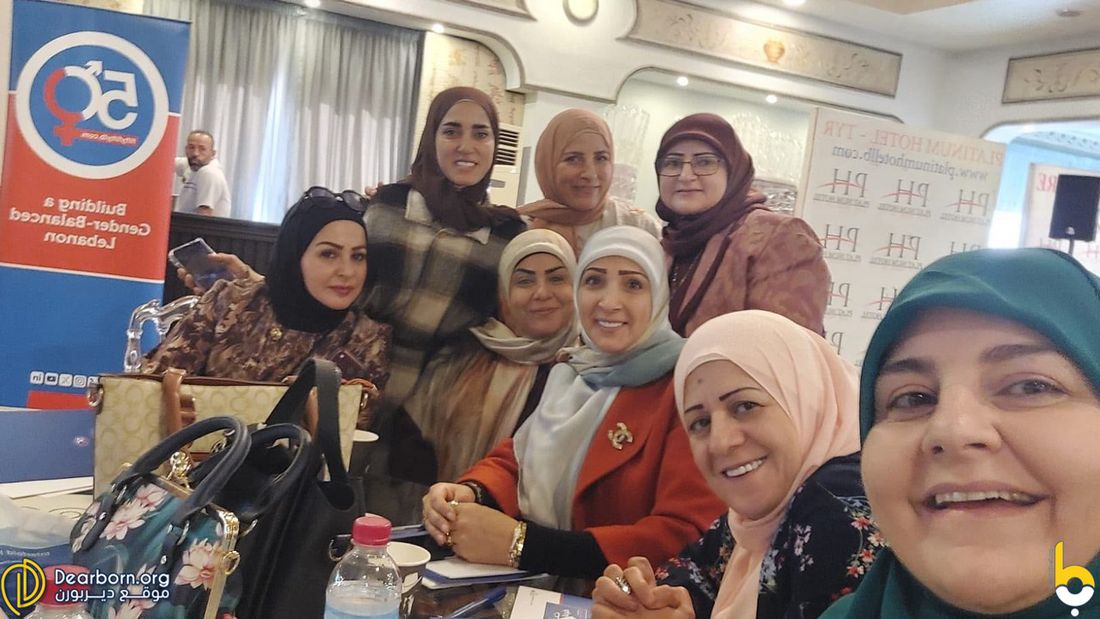
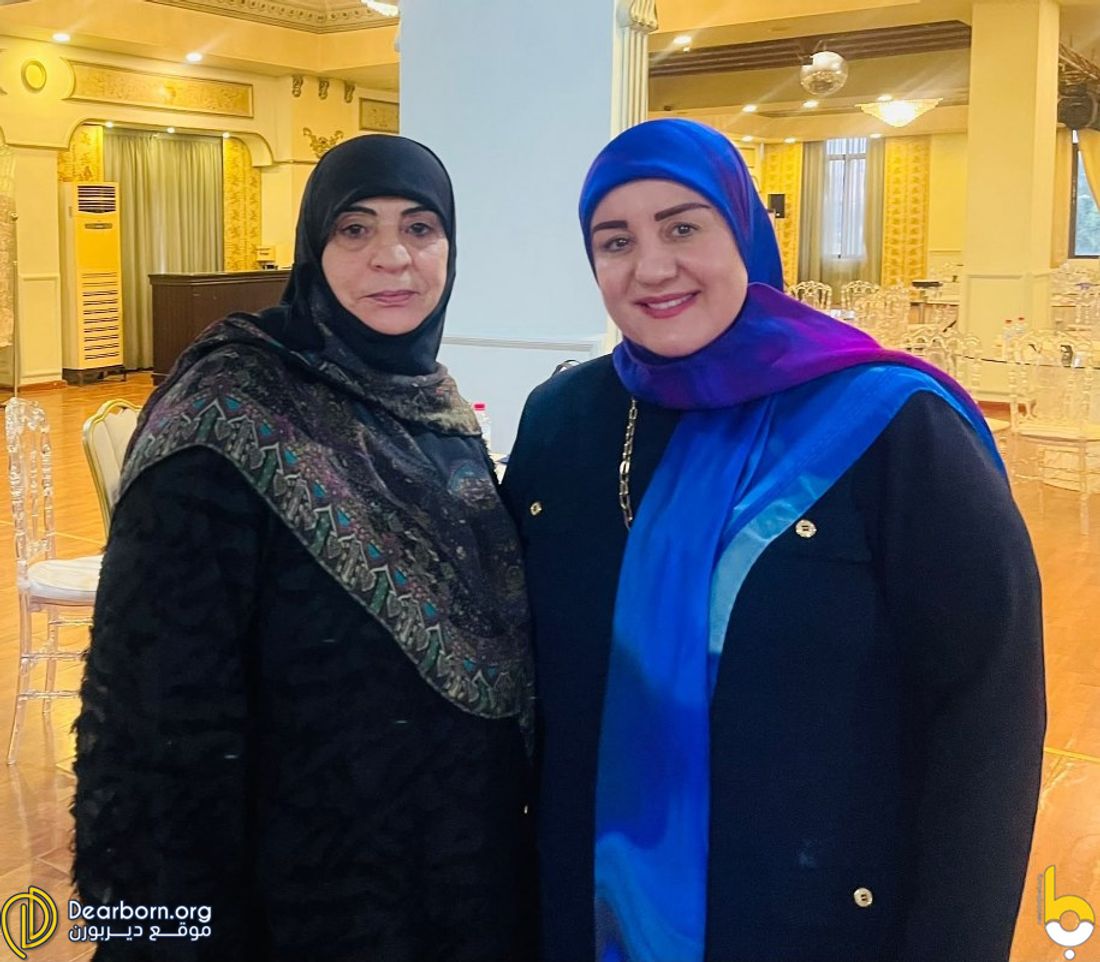
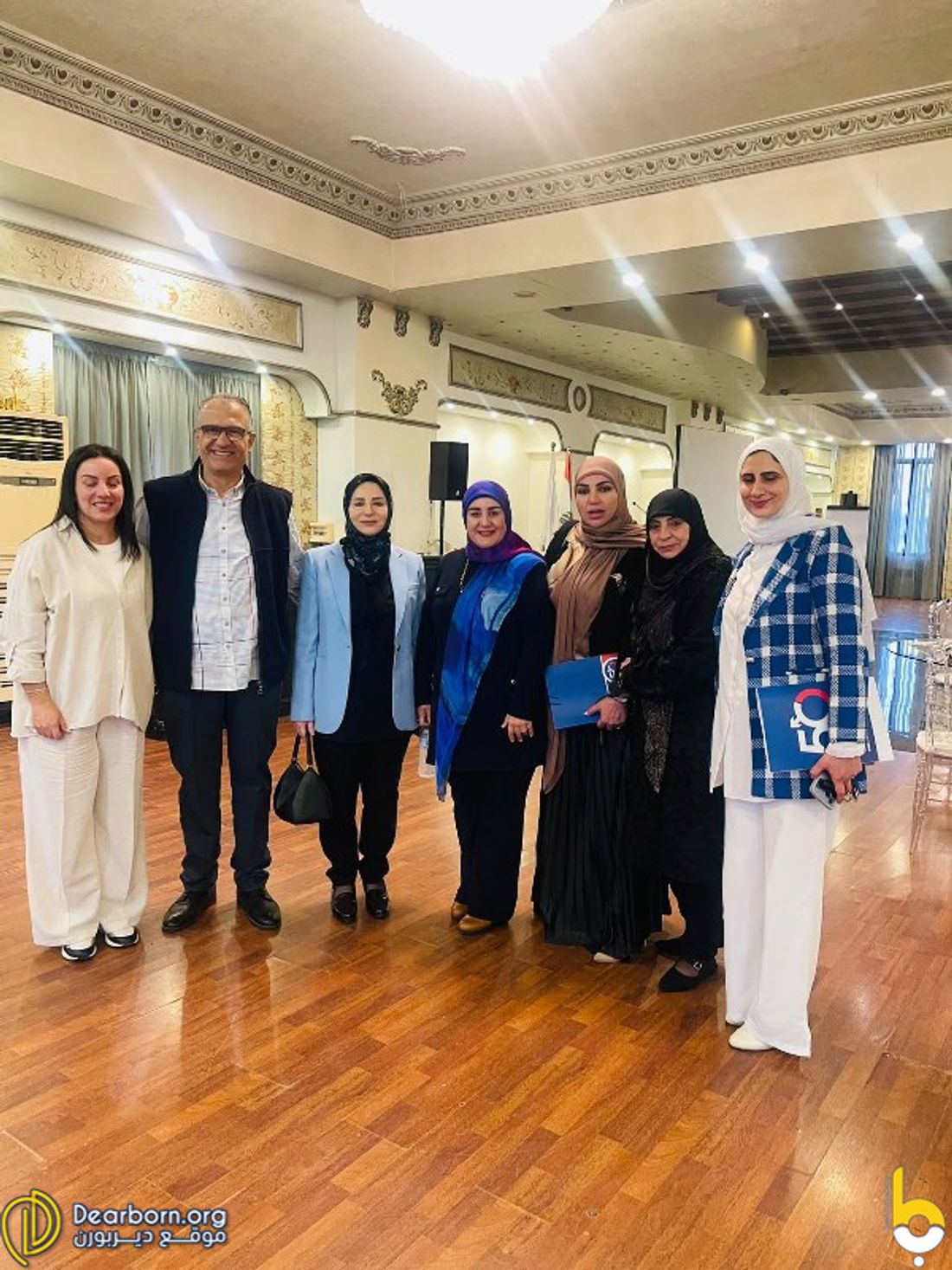
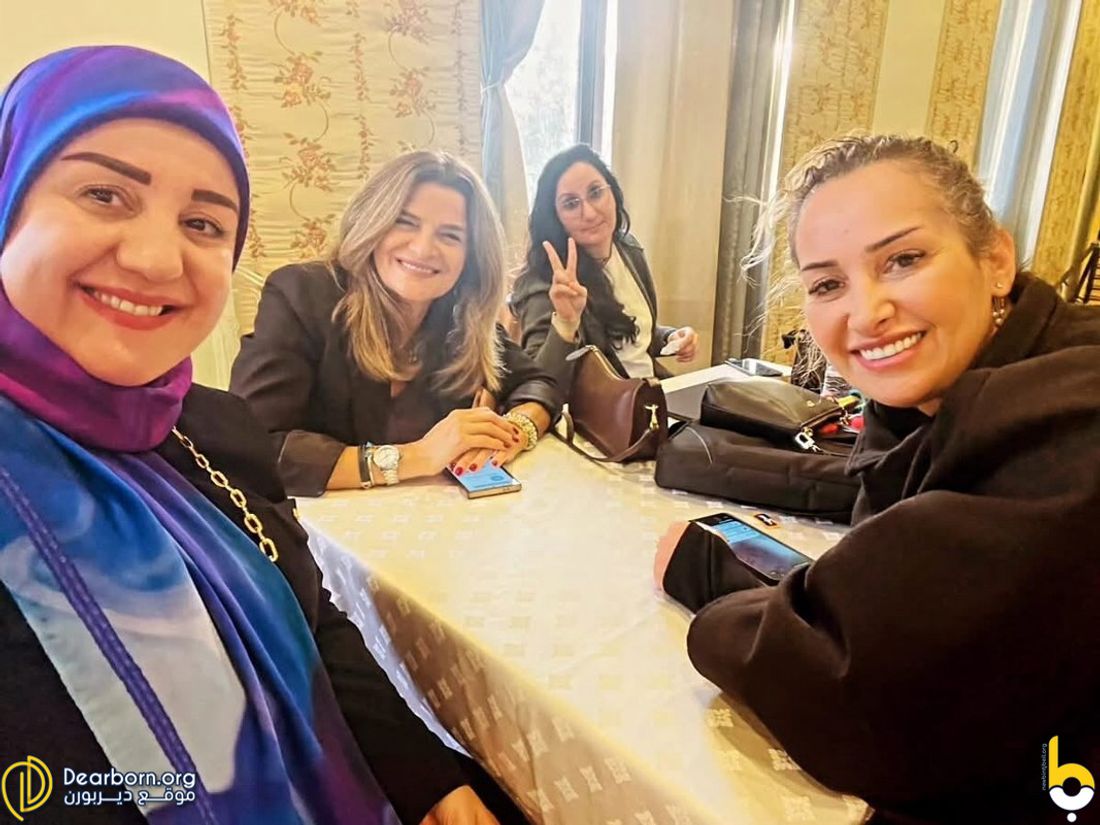
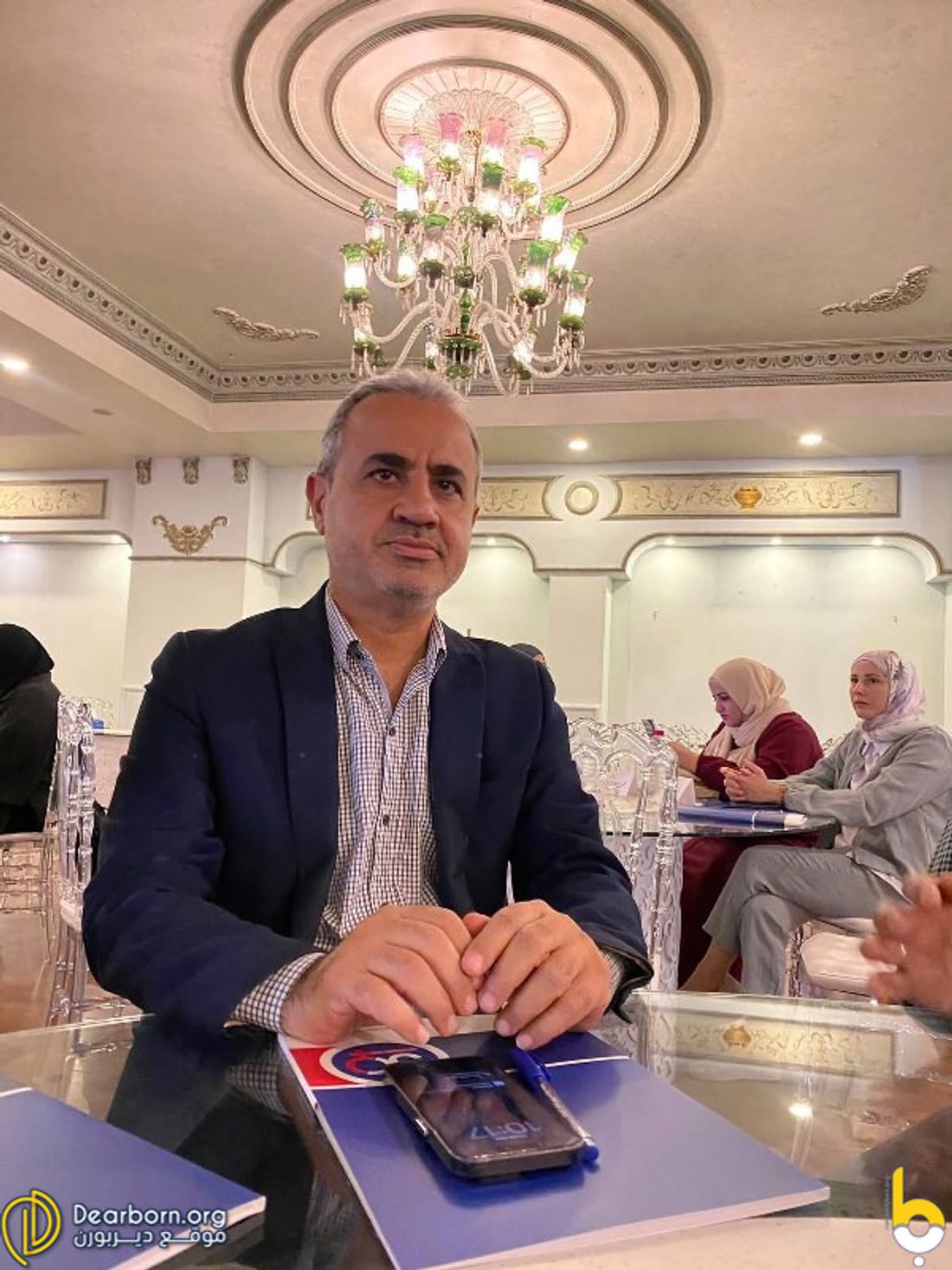
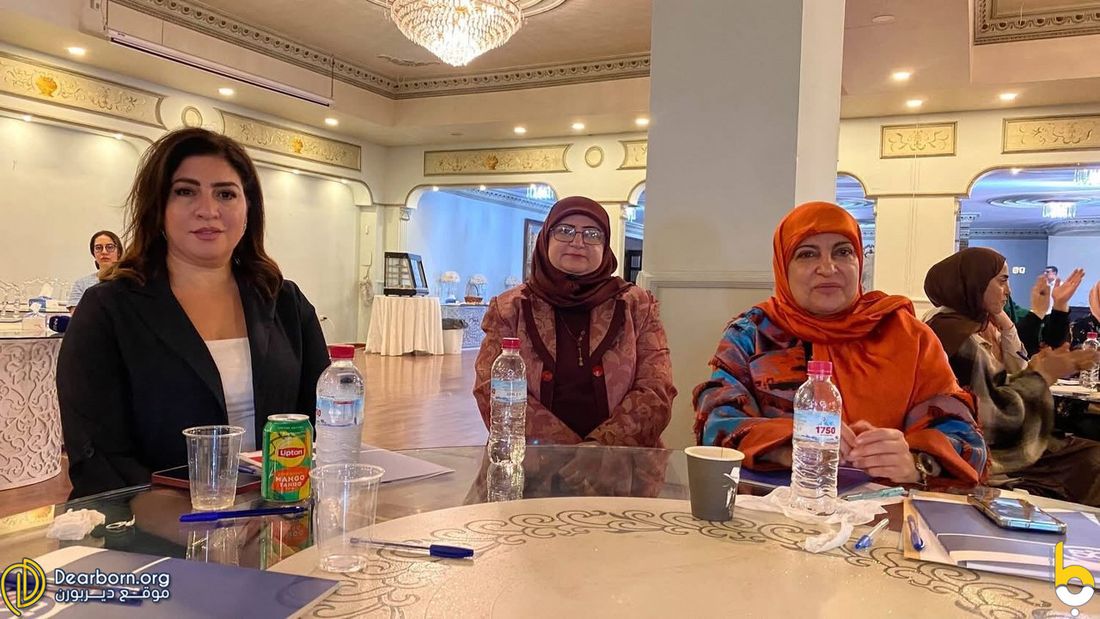
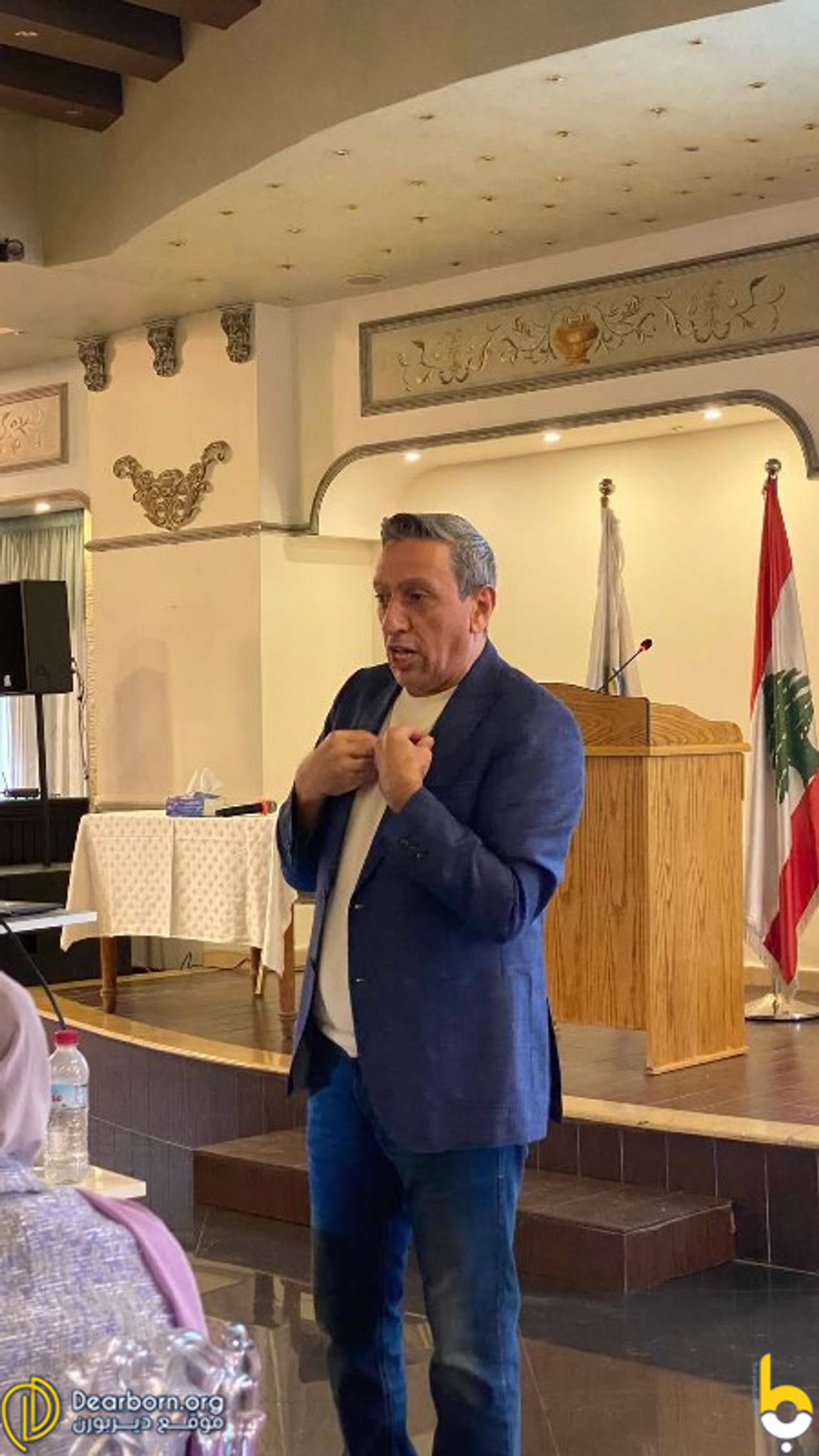
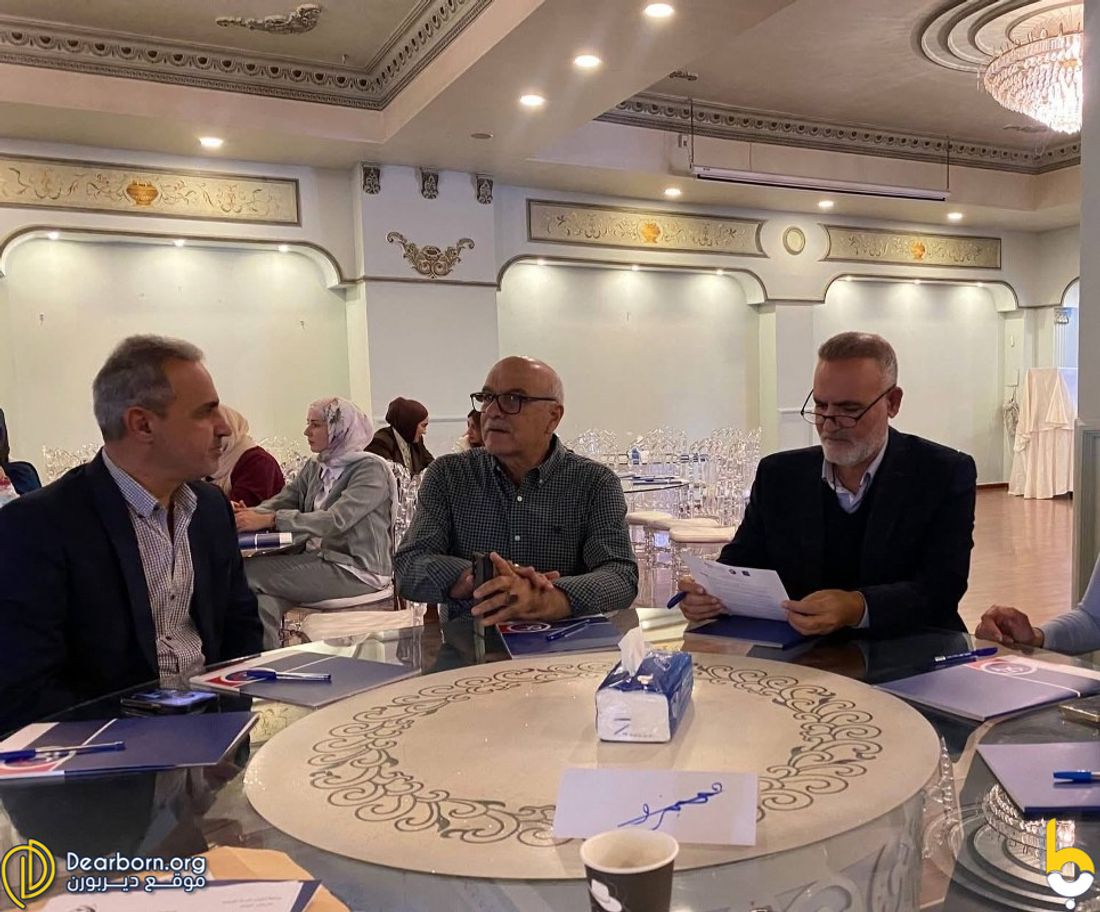
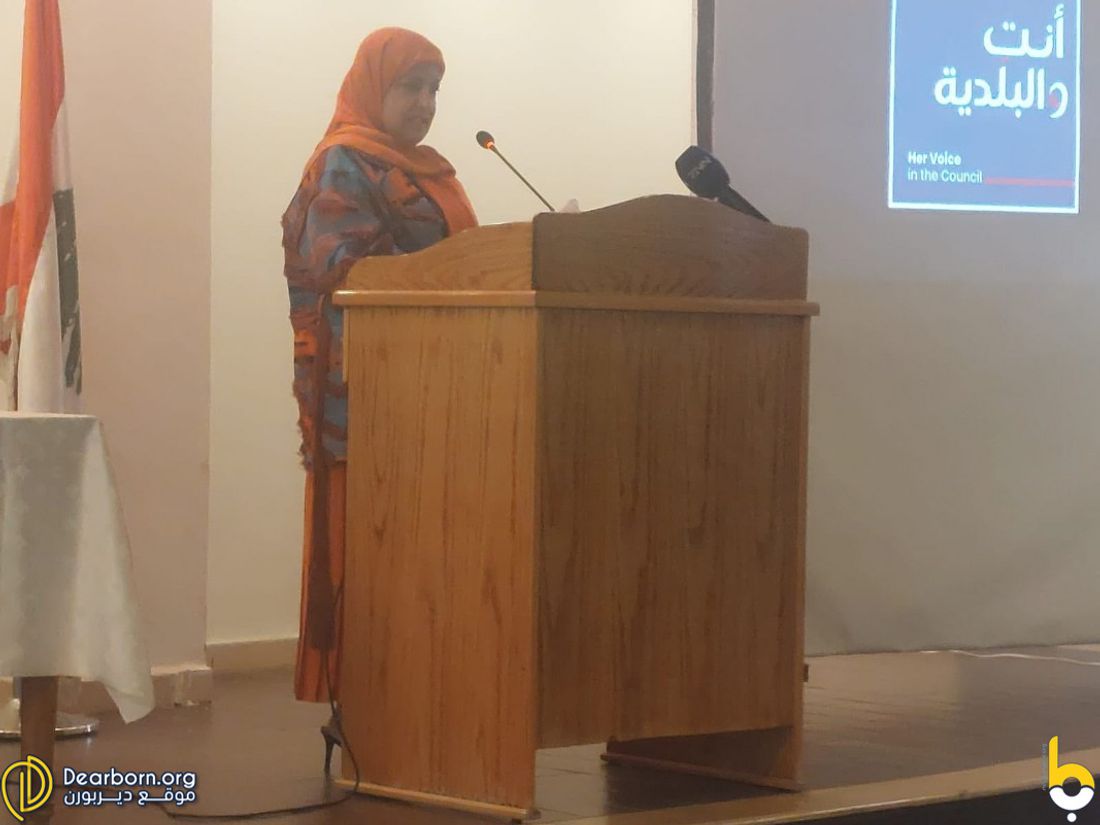
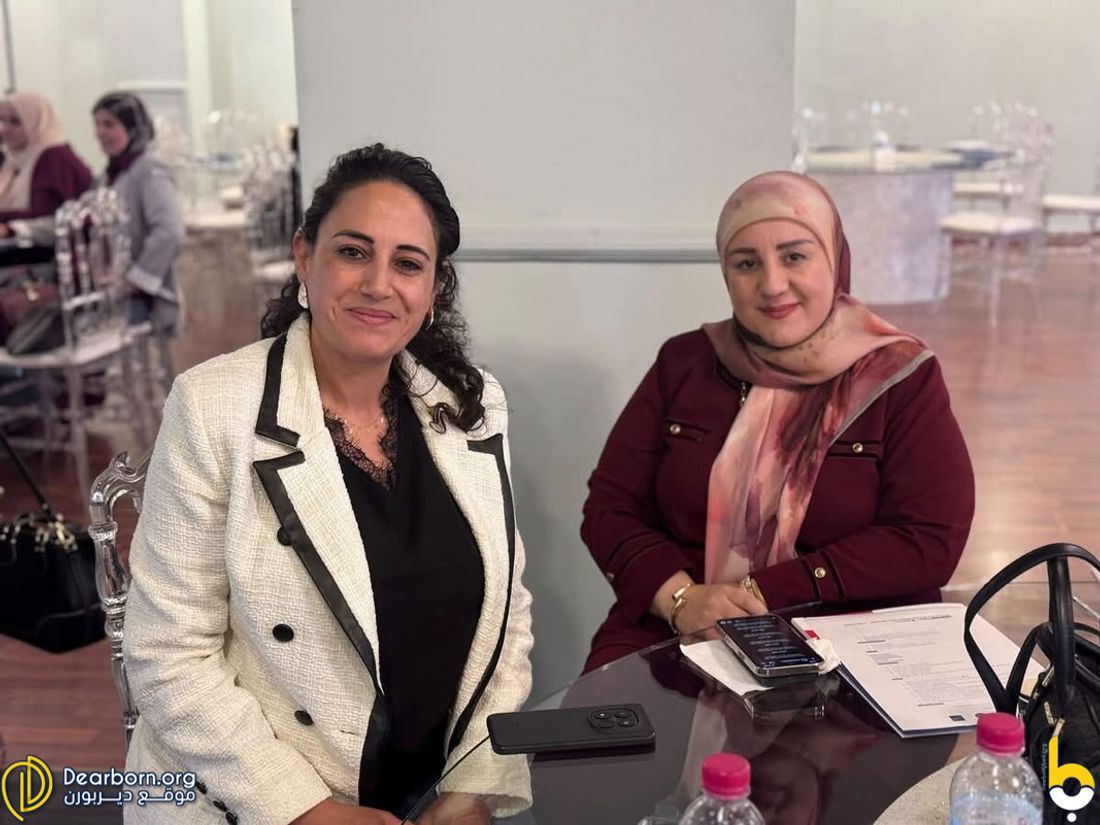
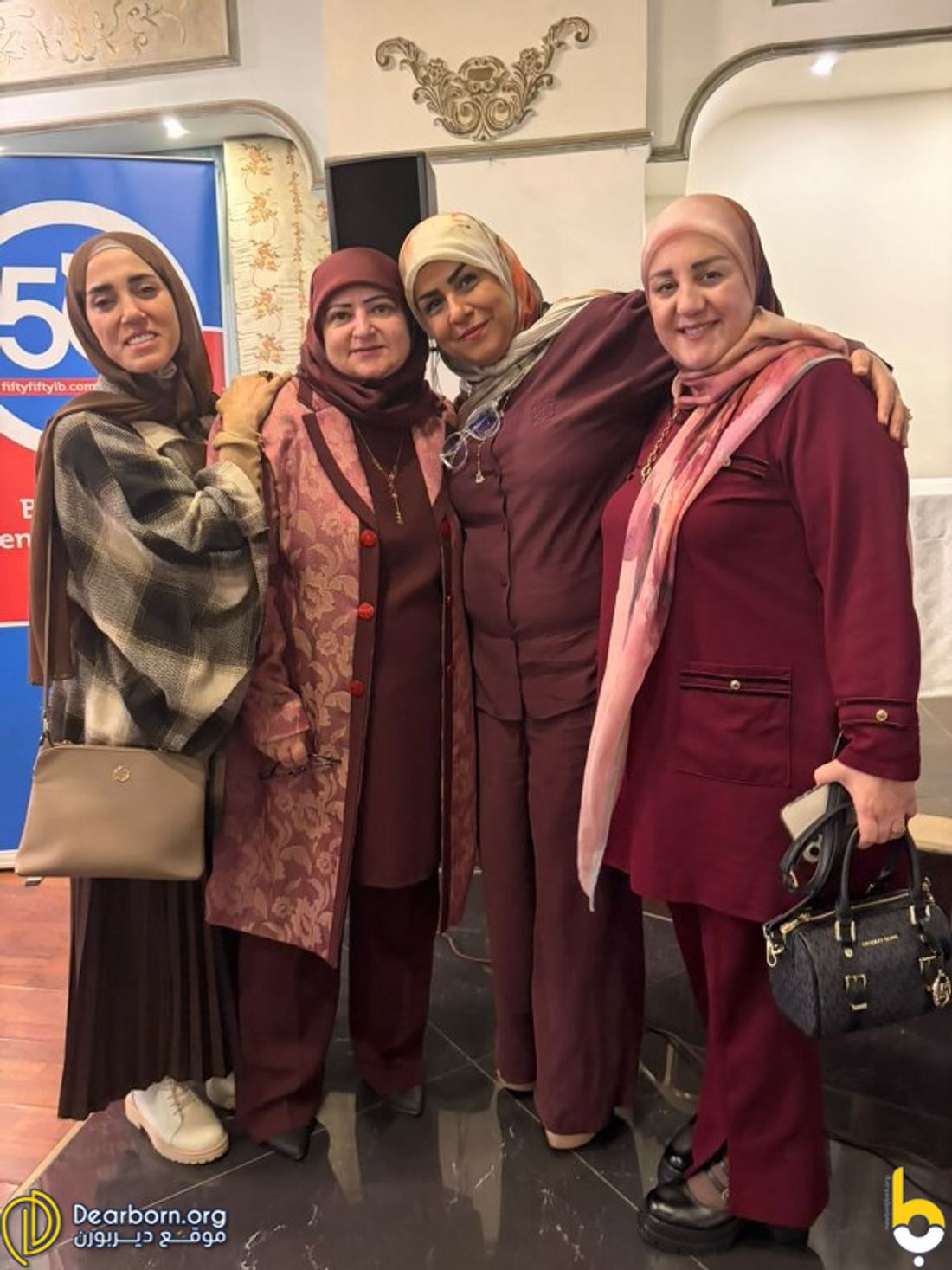
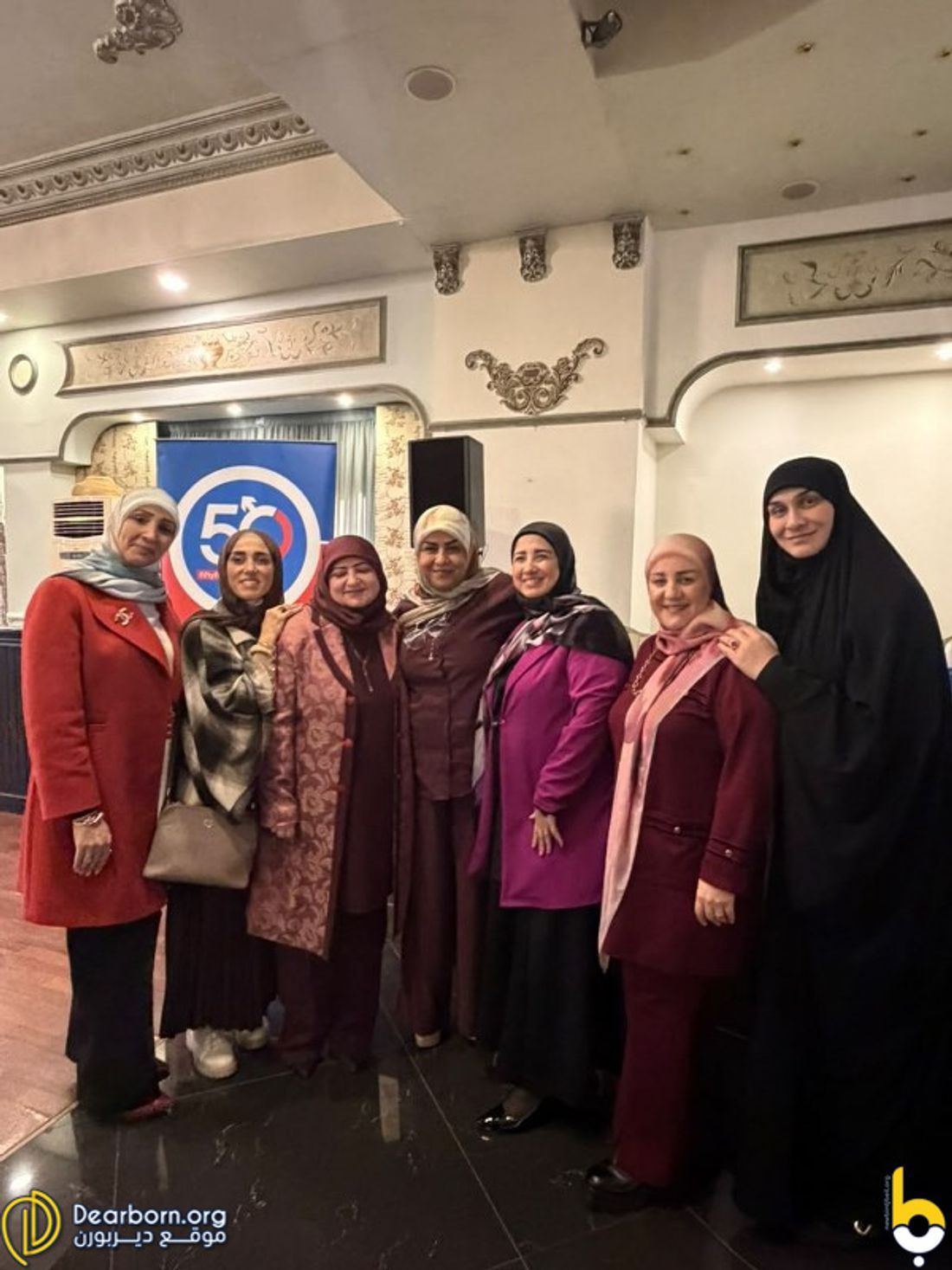
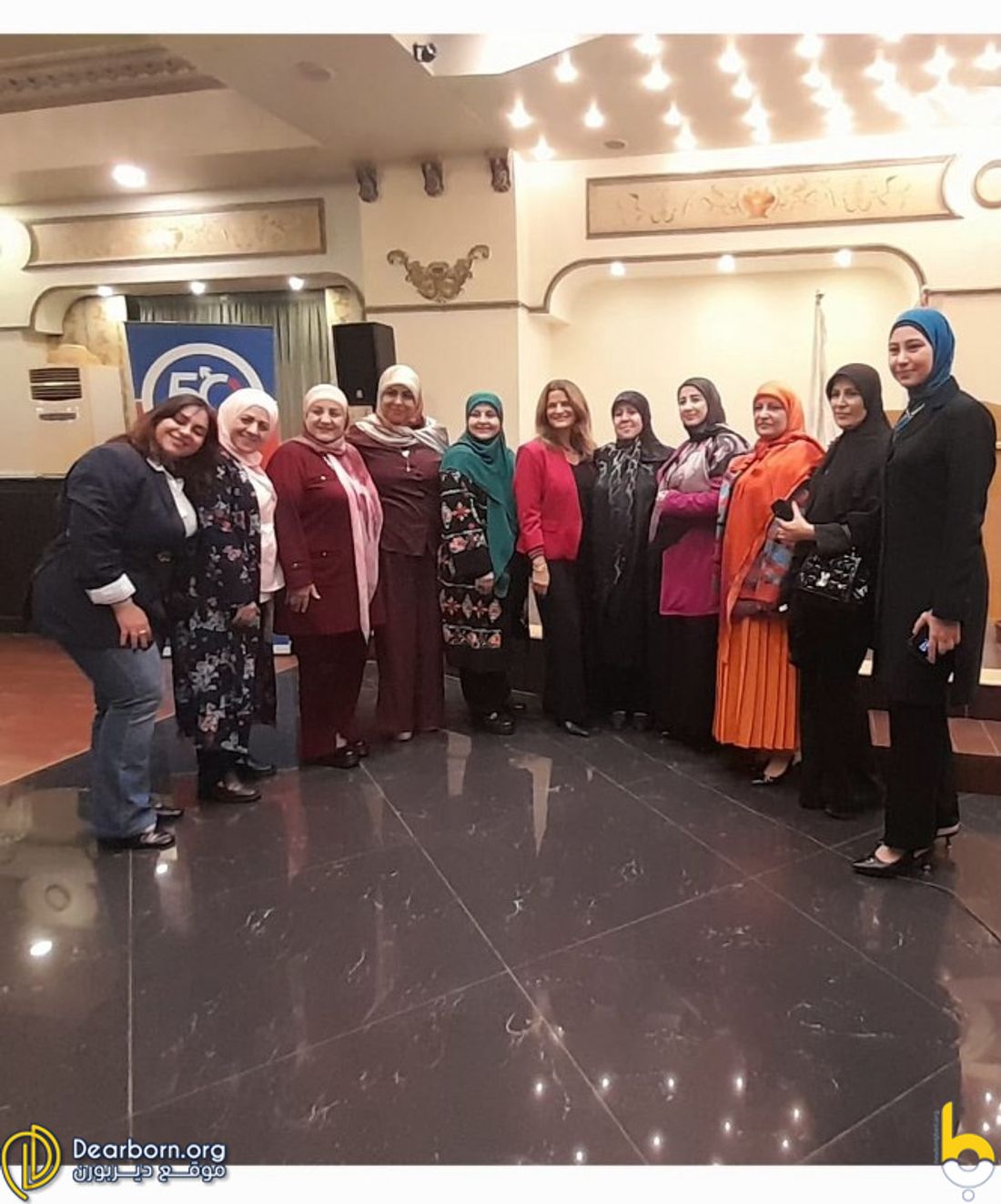
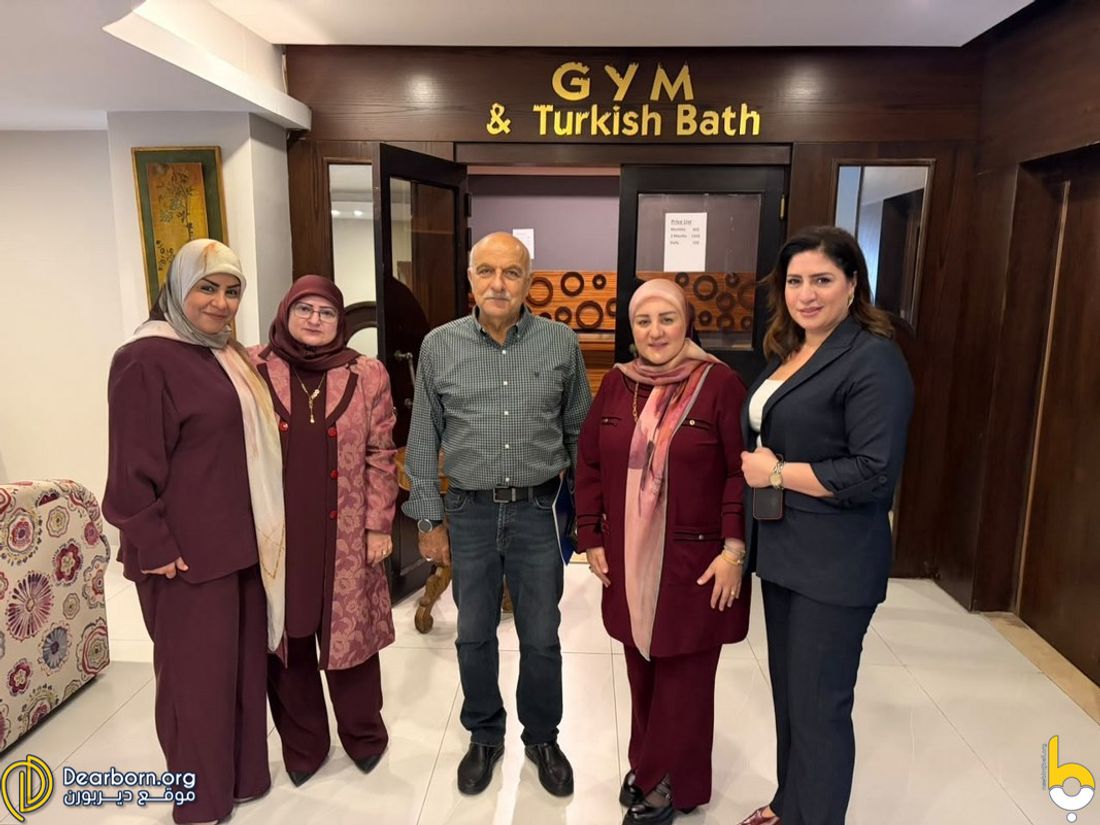
The Lebanese Women’s Affairs Association, in cooperation and coordination with" Irshad" Association and with the support of Fifty Fifty, organized a two-day workshop entitled “You and the Municipality” at the Platinum Hotel in the city of Tyre. The workshop aimed to support female municipal council members, enhance their skills in local governance, and strengthen their participation in leadership positions and decision-making.
The opening ceremony was attended by Tyre Union of Municipalities President Hassan Dbouk, Tyre Deputy Mayor Alwan Sharafeddine, Lebanese Women’s Affairs Association President Amal Fahs, and members of the association’s administrative board. The event began with the Lebanese national anthem, followed by an opening address delivered by Dr. Nada Younes, head of the association’s Jabal Amel branch and a member of Tyre Municipal Council.
In his address, Ali Daoud, Director of the Institutions and Associations Department at Irshad Association, praised the role played by women in southern Lebanon during wars and crises, particularly their support for displaced and affected families and their efforts to preserve social cohesion. He called for translating the leadership, organizational, and responsibility-taking capabilities demonstrated by women into sustainable institutional participation in municipal affairs, setting priorities for recovery and reconstruction, and advancing local development.
Meanwhile, Lebanese Women’s Affairs Association Vice President Amal Wehbe explained that the workshop was part of a series of meetings organized by the two associations, with the support of Fifty Fifty and under the guidance of Parliament Speaker Nabih Berri, to support women running in the 2025 municipal and mukhtar elections. She noted that 113 women who had received support from the two associations won seats, including 99 in the governorates of South Lebanon, Nabatieh, Bekaa, and North Lebanon.
She added that women currently hold approximately one-tenth of municipal council seats, calling for greater opportunities for women to compete for municipal leadership positions and assume leading roles on municipal committees, in a move that would help councils better respond to residents’ needs.
For her part, Fifty Fifty President Joelle Abou Farhat presented the organization’s key initiatives aimed at empowering Lebanese women and strengthening their presence in public life. She emphasized the importance of providing ongoing guidance and support to female municipal council members and promoting their participation in local decision-making.
The first day’s training sessions covered the fundamentals of municipal work, laws that discriminate against women, leadership, and building a personal political image.
On the second day, approximately 54 female municipal council members from several Lebanese villages and towns took part in the workshop, particularly from the governorates of Bekaa, South Lebanon, Nabatieh, and Beirut.
The sessions were attended by Irshad Association’s Director in the Jabal Amel region, Mohammad Harkous, Ali Daoud in his capacity as Head of Institutions and Associations at the Municipalities Office, Tyre District Municipalities Coordinator Ali Srour, Lebanese Women’s Affairs Association’s South Lebanon branch President Aida Kawtharani, the association’s Jabal Amel branch President Dr. Nada Younes, as well as members of the association’s administrative board.
The second day’s sessions focused on citizen engagement and mobilization, local crisis management, the use of artificial intelligence to improve municipal work, and Lebanon’s electoral system, including municipal, mukhtar, and parliamentary elections. Discussions also explored ways to apply these topics in municipal work.
At the conclusion of the workshop, Amal Wehbe, on behalf of the Lebanese Women’s Affairs Association, thanked Irshad Association and Fifty Fifty for their cooperation in organizing and supporting the workshop. She also thanked the participants for their attendance and active engagement, expressing hope that these meetings would continue through further training workshops designed to support female municipal council members in their work
Report by Kholoud Hussein