Portuguese Press Turns on Cristiano Ronaldo
Oct 11, 2026
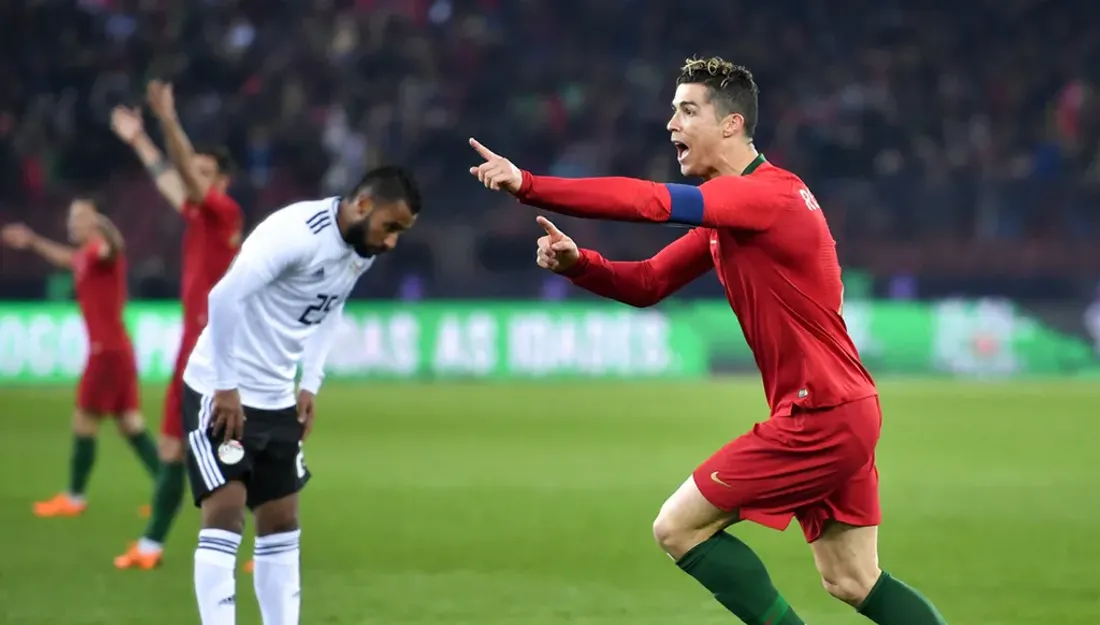
The rift between Cristiano Ronaldo and Jorge Jesus appears far from over after the Portugal captain’s departure from the national team camp turned into a matter of public debate, amid a sharp divide over who bears responsibility and growing concerns about the crisis’s impact on the stability of the national team.
Despite the Portuguese Football Federation’s attempts to contain the situation, media criticism has continued to intensify, with questions mounting over the future of Ronaldo’s relationship with his coach and the impact of the dispute on the atmosphere inside the dressing room.
In an effort to clarify his position, Ronaldo issued a lengthy statement outlining his side of the story. He criticized what he described as a retreat from previous promises, acknowledged that he had made mistakes, and confirmed his acceptance of the disciplinary punishment. He also stressed his desire to return to the national team, continue competing, and pursue victories in his country’s colors.
𝗙𝗲𝗱𝗲𝗿𝗮𝘁𝗶𝗼𝗻 𝗣𝗿𝗲𝘀𝗶𝗱𝗲𝗻𝘁 𝗧𝗿𝗶𝗲𝘀 𝘁𝗼 𝗖𝗮𝗹𝗺 𝗧𝗵𝗲 𝗦𝗶𝘁𝘂𝗮𝘁𝗶𝗼𝗻
Portuguese Football Federation President Pedro Proença, for his part, sought to ease tensions, saying that the federation, coaching staff, and players all want their captain to return during the November international break. However, he stressed that the disciplinary procedures would continue and that the final decision rests with the relevant authorities.
𝗠𝗲𝗱𝗶𝗮 𝗖𝗿𝗶𝘁𝗶𝗰𝗶𝘀𝗺 𝗼𝗳 𝗥𝗼𝗻𝗮𝗹𝗱𝗼 𝗜𝗻𝘁𝗲𝗻𝘀𝗶𝗳𝗶𝗲𝘀
Meanwhile, in an article published by A Bola, journalist Nélson Feitorona questioned the extent of Ronaldo’s exceptional status, stressing that his sporting achievements and economic and media value should not take precedence over collective principles.
He noted that the Portuguese star may receive preferential treatment, even when it comes to disciplinary sanctions, but warned that his return cannot take place as though nothing had happened, amid questions over the nature of his relationship with Jorge Jesus and the stance of his teammates inside the dressing room.
Gonçalo Almeida, a lawyer and judge at the Court of Arbitration for Sport affiliated with FIFA, also criticized the transformation of Ronaldo’s departure from the national team camp into a national crisis. He argued that official statements, social media posts, and conflicting accounts had all contributed to escalating the situation.
Almeida said the developments had harmed all sides, including the Portuguese national team and the country’s image, calling for the dispute to be resolved away from the spotlight in order to preserve the team’s stability and interests, according to French outlet Foot Mercato.
𝗙𝗼𝗿𝗺𝗲𝗿 𝗣𝗹𝗮𝘆𝗲𝗿 𝗖𝗿𝗶𝘁𝗶𝗰𝗶𝘇𝗲𝘀 𝗕𝗼𝘁𝗵 𝘁𝗵𝗲 𝗙𝗲𝗱𝗲𝗿𝗮𝘁𝗶𝗼𝗻 𝗮𝗻𝗱 𝗥𝗼𝗻𝗮𝗹𝗱𝗼
Former footballer and economist Diogo Luís launched sharp criticism at the Portuguese Football Federation, arguing that a lack of firmness and leadership from the outset allowed the crisis to escalate.
However, he did not absolve Ronaldo of responsibility, stressing that regardless of the reasons behind the dispute, leaving the national team camp midway through a training period could not be justified. He added that the player’s attempts to defend his position had failed to calm the situation and instead made the crisis more complicated.
In his view, Jorge Jesus demonstrated that he was unwilling to bow to pressure from his captain, in a confrontation that highlighted the difficulty of balancing Ronaldo’s historic status with the demands of collective discipline within the national team.
Luís concluded with an assessment that summed up the scale of the crisis, saying: “I wouldn’t say anyone came out a winner from everything that happened, because I honestly believe everyone lost.”
The federation remains committed to bringing Ronaldo back during the November international break, while disciplinary procedures continue and media criticism persists. The key question, however, remains: Can Portugal finally put the dispute behind it, or will its captain’s return mark the beginning of a new chapter of controversy over his role and influence within the national team?
𝗦𝗼𝘂𝗿𝗰𝗲: 𝗔𝗹 𝗡𝗮𝗵𝗮𝗿