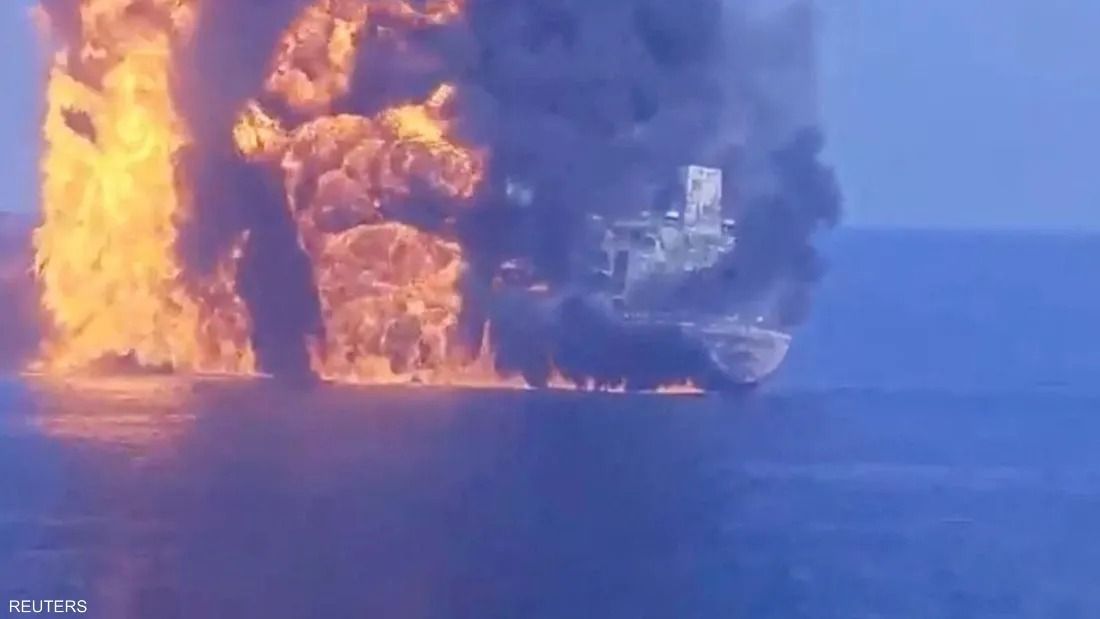
Shipping data has revealed that reported attacks against vessels in the Strait of Hormuz and surrounding areas have reached their highest levels since the outbreak of the war with Iran.
According to the data, the number of attacks reported to the United Kingdom Maritime Trade Operations (UKMTO), which is affiliated with the British Royal Navy, exceeded 30 in October, marking the first time this threshold has been reached since the outbreak of the US-Iran war in late February.
As of Sunday, at least 22 attacks had been recorded during November, making it the second-highest month for attacks since the beginning of the war, according to an analysis of UKMTO data conducted by US network CNN.
Before October, the average number of reported attacks in the region stood at around 10 per month.
The area covered by the monitoring includes the Strait of Hormuz, the Arabian Gulf, and the Gulf of Oman.
The figures released by the British maritime monitoring center are likely lower than the actual number of attacks, as the center publishes only incidents it has been able to verify through sources. In its weekly report published on Friday, the center stated: “There are additional known incidents, but they cannot be independently verified.”
As attacks on vessels in this strategic waterway have escalated in recent months, many ships are believed to have switched off their commercial tracking systems to avoid having their locations detected.
In a report published in mid-October, the British center acknowledged that it was facing difficulties in accurately determining the true number of attacks, explaining that “the majority of vessels that come under attack refuse to report the incidents to the center.”
Meanwhile, the Iranian military has reported near-daily incidents involving commercial vessels transiting the strait, often attributing them to naval mines.
Commercial shipping traffic through the waterway, which handled around one-fifth of the world's oil shipments before the war, remains below the levels recorded in 2025.