The Changes That Occur in a Woman’s Body During Menopause
Nov 1, 2026
Menopause is an important stage in a woman’s life, accompanied by a series of physical and hormonal changes that affect the body, mood, sleep quality, and overall health. Although it is a natural biological process, every woman experiences this stage differently. While some women notice gradual changes, others may experience symptoms that affect their daily routines and quality of life.
### 𝗠𝗲𝗻𝗼𝗽𝗮𝘂𝘀𝗲 𝗶𝗻 𝗪𝗼𝗺𝗲𝗻
Menopause typically occurs between the ages of 45 and 55, with an average age of approximately 51. A woman is considered to have reached menopause when she has gone 12 consecutive months without a menstrual period.
During this transitional stage, the ovaries gradually reduce their production of estrogen and progesterone, two hormones that regulate several vital bodily functions. Declining levels of these hormones lead to various changes in the body, the most notable of which include the following:
1\. Irregular Menstrual Periods
Changes in the menstrual cycle are among the earliest signs that menopause is approaching. Periods may become shorter or longer, heavier or lighter than usual. Some women may also miss periods intermittently before menstruation stops completely.
These changes are associated with fluctuating hormone levels as ovarian function gradually declines.
2\. Hot Flashes and Night Sweats
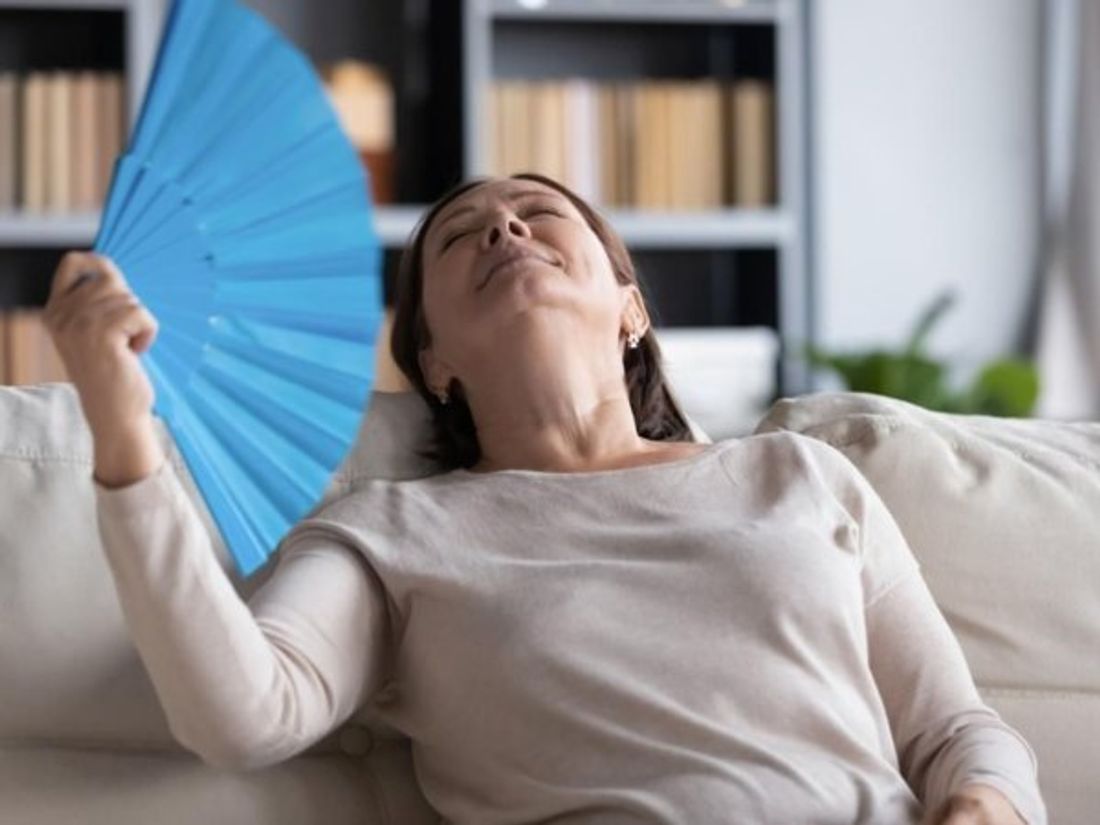
Hot flashes are among the most common symptoms of menopause. A woman may suddenly experience an intense wave of heat spreading across her face, neck, and chest, sometimes accompanied by sweating and an increased heart rate.
When these episodes occur during sleep, they are known as night sweats. They can disrupt sleep and prevent women from getting sufficient rest.
3\. Changes in Skin and Hair
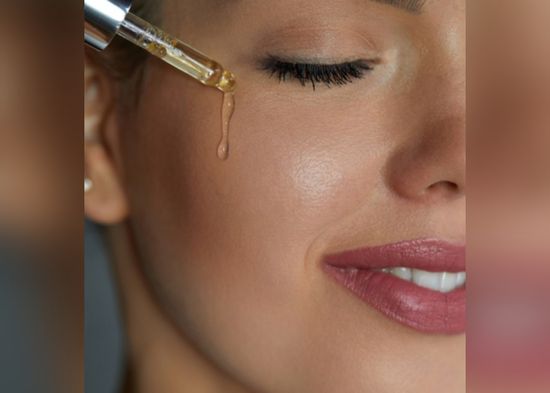
Declining estrogen levels affect collagen production, which plays an essential role in maintaining skin firmness and elasticity. As a result, the skin may become drier and thinner, making it more prone to wrinkles.
Some women may also notice hair thinning or increased hair loss during this period.
4\. Weight Gain and Changes in Body Fat Distribution
Hormonal changes, the natural aging process, and a slower metabolic rate can contribute to weight gain during menopause.
Fat distribution may also change, with more fat accumulating around the abdomen rather than the hips and thighs. Regular physical activity and a balanced diet can help maintain a healthy weight.
5\. Vaginal Dryness and Changes in Intimate Life
Lower estrogen levels reduce vaginal lubrication and elasticity, which may cause dryness, irritation, or discomfort during sexual intercourse. Some women may also experience a decline in sexual desire.
Vaginal moisturizers and appropriate medical treatments can help manage these symptoms.
6\. Mood and Sleep Changes
Menopause can affect emotional well-being, potentially leading to irritability, anxiety, mood swings, and difficulty concentrating.
Hormonal fluctuations, night sweats, and sleep disturbances can contribute to these symptoms. Getting sufficient rest and having emotional support therefore become particularly important.
7\. Loss of Bone Density
Estrogen helps maintain bone strength. As estrogen levels decline, bone density may decrease, increasing the risk of osteoporosis and fractures.
Weight-bearing exercises, adequate intake of calcium and vitamin D, and regular medical checkups can help maintain bone health.
𝗦𝗼𝘂𝗿𝗰𝗲: 𝗲𝗹𝗹𝗲 𝗮𝗿𝗮𝗯𝗶𝗮

Al-Maghazi under the guillotine of demolition: A silent Israeli military advance consumes the heart of the camp and displaces its residents.

Al-Allamah Al-Khatib: We Had Hoped the Independence Speech Would Be Unifying and That the President Would Rise Above Directing Accusations at a Group That Sacrificed Its Blood