Europe may control football’s richest competitions and biggest clubs, but its influence is not necessarily enough to unseat the president of FIFA. In presidential elections, the German or Brazilian football association has the same voting power as the association of a small country with a population of only tens of thousands.
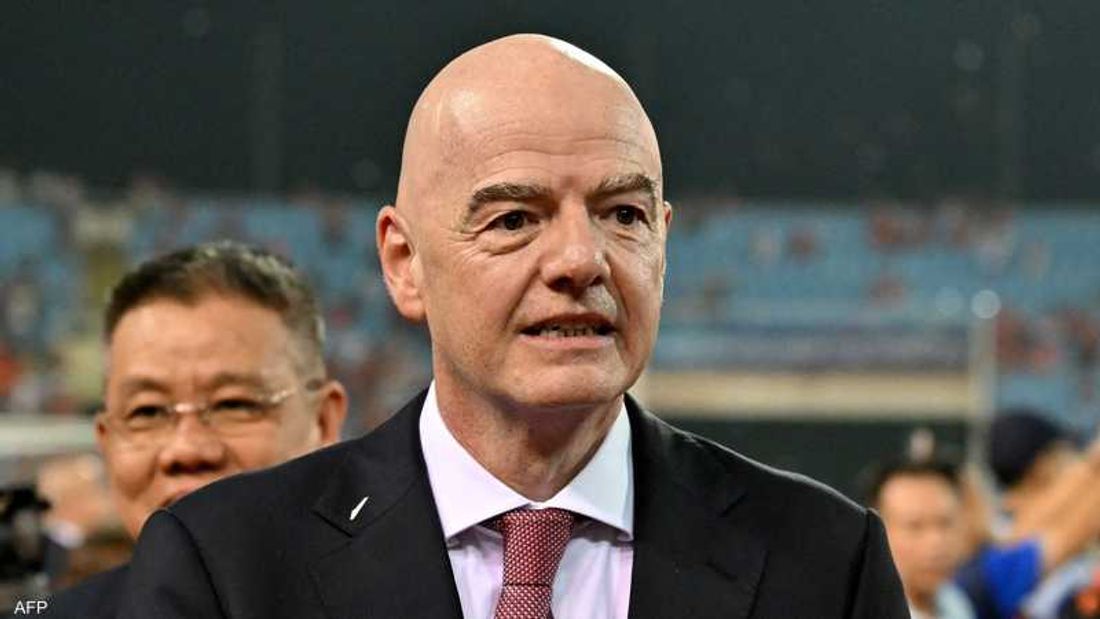
This equation is once again coming into focus as Gianni Infantino prepares to face his opponents on Thursday at a FIFA Council meeting, following a crisis sparked by a proposal to open the commercial activities linked to the World Cup to private-sector investors.
Despite growing opposition from influential continental football bodies, Infantino continues to enjoy significant electoral support, as the dispute has evolved into a battle over the billions of dollars FIFA distributes among its members.
𝗟𝗲𝘁𝘀 𝟮𝟭𝟭 𝗩𝗼𝘁𝗲𝘀: 𝗪𝗵𝗲𝗿𝗲 𝗗𝗼𝗲𝘀 𝘁𝗵𝗲 𝗣𝗼𝘄𝗲𝗿 𝗟𝗶𝗲?
FIFA comprises 211 national associations, each of which holds one vote in the presidential election, regardless of the size of the country, its footballing strength, or its contribution to the sport’s revenues.
Sports analyst Mohsen Lamloum told Sky News Arabia that “Infantino enjoys strong support from African and Asian associations, which together hold 101 votes, while his support has declined significantly in Europe, which has 55 associations.”
Lamloum believes this equation “gives the FIFA president a broad electoral base and makes the task of his opponents more difficult, despite the influence of the European associations.”
However, estimates of support do not mean that all African and Asian associations are guaranteed to vote for Infantino, particularly as the Asian Football Confederation itself has been listed among the parties opposing some of his policies.
𝗔 𝗖𝗿𝗶𝘀𝗶𝘀 𝗧𝗵𝗮𝘁 𝗕𝗲𝗴𝗮𝗻 𝗪𝗶𝘁𝗵 𝗕𝗶𝗹𝗹𝗶𝗼𝗻𝘀
The dispute erupted after Infantino proposed a project that would allow investors to enter commercial activities linked to the World Cup, prompting concerns over transparency and the future of tournament revenues.
Although the proposal was later withdrawn, opposition continued, particularly from UEFA, CONCACAF, and the Asian Football Confederation.
Turning that opposition into actual change, however, faces two major obstacles: the absence of a consensus candidate capable of competing with Infantino and the difficulty of rallying a majority of national associations.
With the March 2027 election approaching, time pressure on his opponents is increasing, particularly with November 18 set as the deadline for submitting nominations.
𝗠𝗼𝗻𝗲𝘆: 𝗔 𝗧𝗼𝗼𝗹 𝗼𝗳 𝗜𝗻𝗳𝗹𝘂𝗲𝗻𝗰𝗲
On September 18, UEFA President Aleksander Čeferin and his CONCACAF counterpart Victor Montagliani called for at least $10 million to be allocated to each national association from FIFA’s financial reserves.
If implemented, the proposal would distribute $2.11 billion among the 211 associations, highlighting the scale of the resources controlled by world football’s governing body.
But the demand carries an irony. While Infantino’s opponents are calling for a review of how the money is managed, Infantino could embrace increased funding and present it as an extension of his policies to develop football.
Lamloum emphasizes that financial assistance plays a major role in strengthening the FIFA president’s influence, particularly among African associations that receive millions of dollars to finance football-related projects.
𝗪𝗵𝘆 𝗗𝗼 𝗦𝗺𝗮𝗹𝗹 𝗔𝘀𝘀𝗼𝗰𝗶𝗮𝘁𝗶𝗼𝗻𝘀 𝗥𝗲𝗰𝗲𝗶𝘃𝗲 𝗠𝗼𝗿𝗲 𝗠𝗼𝗻𝗲𝘆?
According to FIFA documents cited by Agence France-Presse, the Turks and Caicos Islands Football Association, representing a territory with a population of fewer than 50,000, has received more than $20 million since 2016, compared with $17.8 million each for the Chinese and Brazilian football associations.
This comparison does not establish favoritism, as development programs are subject to different funding criteria. However, it highlights the importance of financial assistance to associations with limited resources.
For these associations, FIFA funding may represent a crucial source for building stadiums and training centers and organizing domestic competitions.
Thus, the importance of funding intersects with the electoral equation, although receiving financial assistance does not necessarily determine how an association will vote.
𝗖𝗮𝗻 𝗜𝗻𝗳𝗮𝗻𝘁𝗶𝗻𝗼 𝗕𝗲 𝗥𝗲𝗺𝗼𝘃𝗲𝗱?
Lamloum believes Infantino’s opponents have a chance to replace him if they can substantiate the allegations of financial corruption surrounding his administration.
However, proving violations, if any are established, does not automatically mean the president can be removed. That would depend on the nature of the violations and the procedures set out in FIFA’s regulations.
At the same time, his opponents are seeking to strengthen the powers of the FIFA Council and involve other parties, including representatives of clubs, in decision-making.
The FIFA Council consists of 36 members, but it does not elect the president. That responsibility belongs to the FIFA Congress, in which the national associations participate.
Infantino’s opponents therefore face two possible paths: proving violations that warrant accountability under the regulations, or entering an electoral contest that requires both a candidate and a broad coalition.
In an organization where 211 electoral votes converge with billions of dollars in revenues and financial assistance, the battle to replace FIFA’s president appears far more complicated than simply uniting the associations that oppose him.
𝗦𝗼𝘂𝗿𝗰𝗲: 𝗦𝗸𝘆 𝗡𝗲𝘄𝘀 𝗔𝗿𝗮𝗯𝗶𝗮