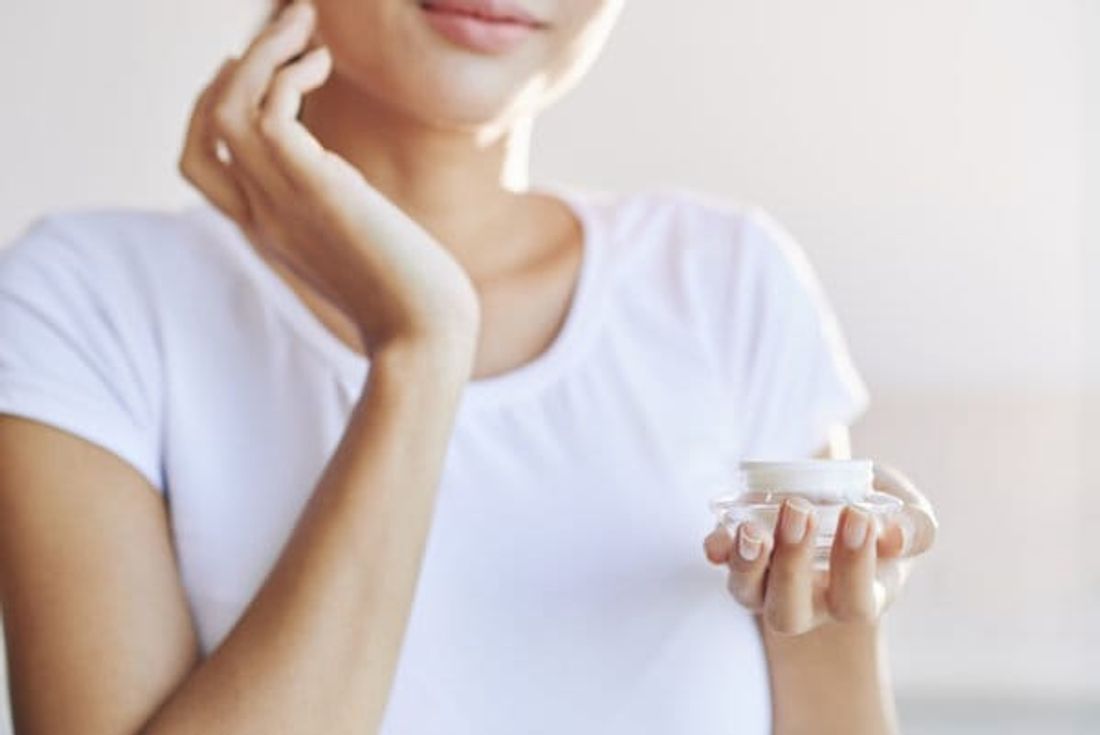
During winter, the skin faces harsh challenges, including dryness, tightness, itching and a loss of its natural softness. Even the scalp can experience the same symptoms. This is precisely when ceramides emerge as an effective ally, helping restore the skin's balance and strengthen its ability to withstand cold weather.
Here are five reasons why they are an essential ingredient this season.
1\. They Strengthen the Skin's Protective Barrier
Ceramides act as a binding layer between skin cells, filling tiny gaps and preventing moisture from evaporating. This natural “cement” gives the skin greater flexibility and a smoother texture while strengthening its resistance to dry air and extreme cold.
2\. Deep Hydration That Lasts All Day
By supporting the skin's natural lipid layer, ceramides help retain moisture in both the skin and scalp. When combined with hydrating ingredients such as hyaluronic acid, their effects are enhanced, providing lasting comfort and hydration even in the harshest weather conditions.
3\. Effective Relief for Sensitive Skin
Ceramides are an ideal choice for people with sensitive or irritated skin. They help reduce redness and discomfort caused by dryness by restoring the skin barrier's balance and improving its resilience. Their gentle formulations make them suitable even for the most delicate skin.
4\. Essential Care for the Scalp
The scalp is often overlooked, despite being just as affected by cold weather as the skin. Dryness, itching and mild flaking are all signs that it needs extra care. Ceramide-rich shampoos help restore moisture and nourish the scalp without weighing down the hair or stripping away its natural oils, making them suitable for different hair types.
5\. Easy to Incorporate Into Your Daily Routine
One of the main advantages of ceramides is how easy they are to use. Whether in a moisturizing cream or everyday shampoo, their lightweight, non-greasy texture makes them suitable for everyone. With regular use, they provide lasting comfort and softness for both the skin and scalp.