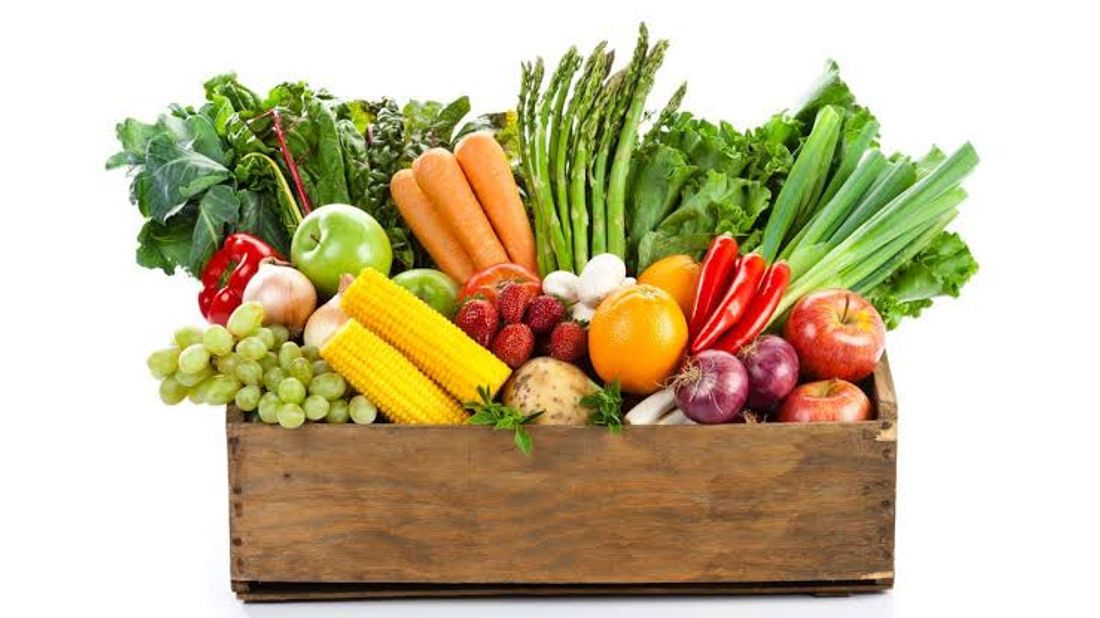
Canned vegetables offer a convenient option for preparing meals and may retain many of their nutrients. However, the canning process can make certain varieties softer, alter their flavour and reduce their levels of heat-sensitive vitamins. According to a report by the health website Verywell Health, six types of vegetables are best bought fresh.
Spinach
Fresh spinach leaves can be eaten in salads or quickly sautéed in a little oil. Canning, however, makes them excessively soft and waterlogged, and may reduce their vitamin C and folate content. Some canned products also contain high levels of sodium.
Asparagus
Heat treatment during the canning process softens asparagus stalks and diminishes their flavour. Eating asparagus fresh allows you to enjoy a firmer, crunchier texture, particularly when grilling or roasting it.
Brussels Sprouts
The heat used in canning can make Brussels sprouts softer and intensify their characteristic sulphurous smell. Roasting them fresh or cooking them in an air fryer brings out a sweet, slightly nutty flavour. They can also be shredded and added to salads.
Green Beans
Canned green beans lose much of their crunch, while fresh ones retain a firmer texture when steamed or quickly sautéed in a pan with a little oil. They may also provide slightly higher amounts of potassium, fibre and vitamin C.
Zucchini
Zucchini has a high water content, making it prone to falling apart during the canning process. It is therefore preferable to use it fresh to preserve its firmness during cooking.
Bell Peppers
Bell peppers retain their crunch when eaten raw or cooked briefly. Canning, on the other hand, softens them and may reduce some of their naturally high vitamin C content.
Canned vegetables remain a nutritious option, particularly when choosing low-sodium products or those with no added salt and avoiding products containing added sauces and sugars. Draining and rinsing them with water can help reduce their sodium content, while herbs, garlic and lemon add flavour without the need for extra salt.