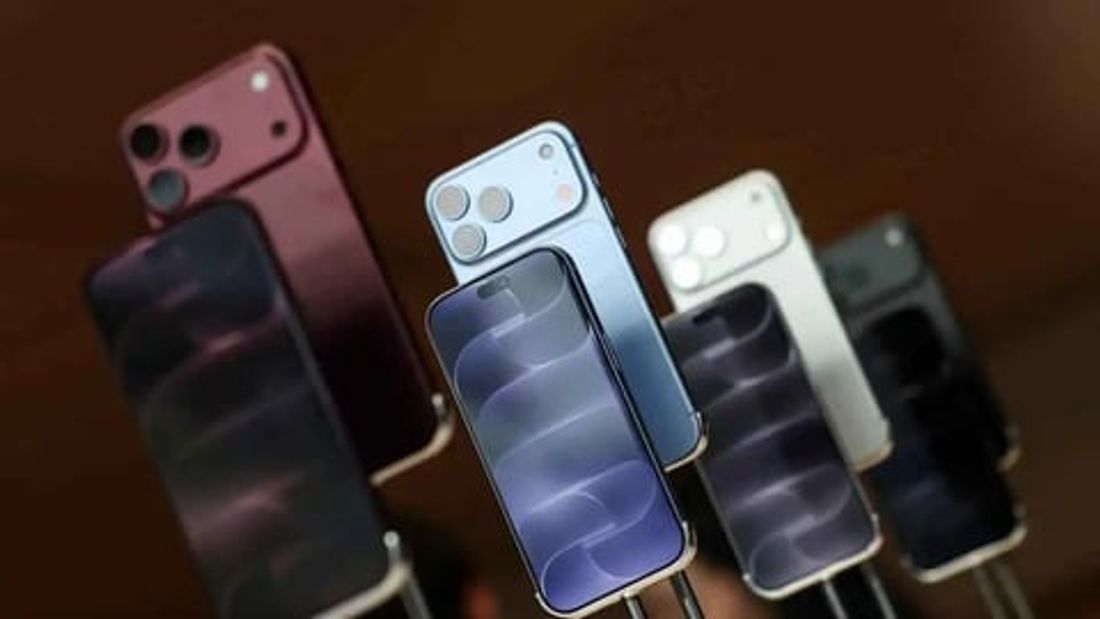
At a time when our lives increasingly revolve around mobile phones, which have become an integral part of our daily routines, owning the latest and greatest model may seem appealing. However, a consumer affairs expert in Washington believes it is a very bad deal.
"We replace our phones far more frequently than we should," says Kevin Brasler, executive editor of Washington Consumers’ Checkbook, as quoted by WTOP.
Brasler adds that companies such as Apple, Samsung and others release new models every year, but these often feature only minor improvements over previous versions.
Nevertheless, the three major US telecommunications companies — AT&T, Verizon and T-Mobile — offer plans that allow customers to upgrade their phones every year.
Although the details of these plans vary from one company to another, they all give customers the opportunity to exchange their current phones for the latest models after paying a certain percentage of the price of the device they own.
"These companies try to persuade people through offers such as a 'free phone' or upgrade programs. But the result is that customers find themselves committed to paying installments over two or three years for a new phone costing $1,000 or more. Eventually, they have to hand the phone back — which is similar to a leasing arrangement — rather than being able to sell their used device," Brasler explains.
Brasler points out that nearly 20 years after the first iPhone was introduced, annual technological improvements have become extremely limited compared with those seen in 2007.
He concludes: "Every year, they release a new model, but the improvements are minor and not necessarily noticeable. These changes certainly do not justify spending $1,000 or more on a new phone."
𝗦𝗼𝘂𝗿𝗰𝗲: 𝗘𝗿𝗲𝗺 𝗡𝗲𝘄𝘀