A US study has shown that combining wearable blood pressure monitors with artificial intelligence (AI) technology may make it possible to predict hypertensive crises up to three days before they occur, giving patients and doctors an opportunity to intervene early and prevent potentially life-threatening complications.
Researchers from the University of Maryland explained that analyzing blood pressure patterns throughout the day, alongside data from wrist-worn fitness trackers, helps identify people at greater risk of experiencing a hypertensive crisis. The findings are scheduled to be presented during the American Heart Association’s 2026 Scientific Sessions, which will take place in Chicago from November 6 to 9.
A hypertensive emergency occurs when blood pressure reaches 180/120 mmHg or higher, accompanied by acute damage to an organ such as the heart, brain, kidneys, or eyes. This condition requires immediate medical intervention, as it may lead to a heart attack, stroke, or kidney damage. Possible symptoms include chest pain, shortness of breath, severe headache, blurred vision, nausea, vomiting, and confusion.
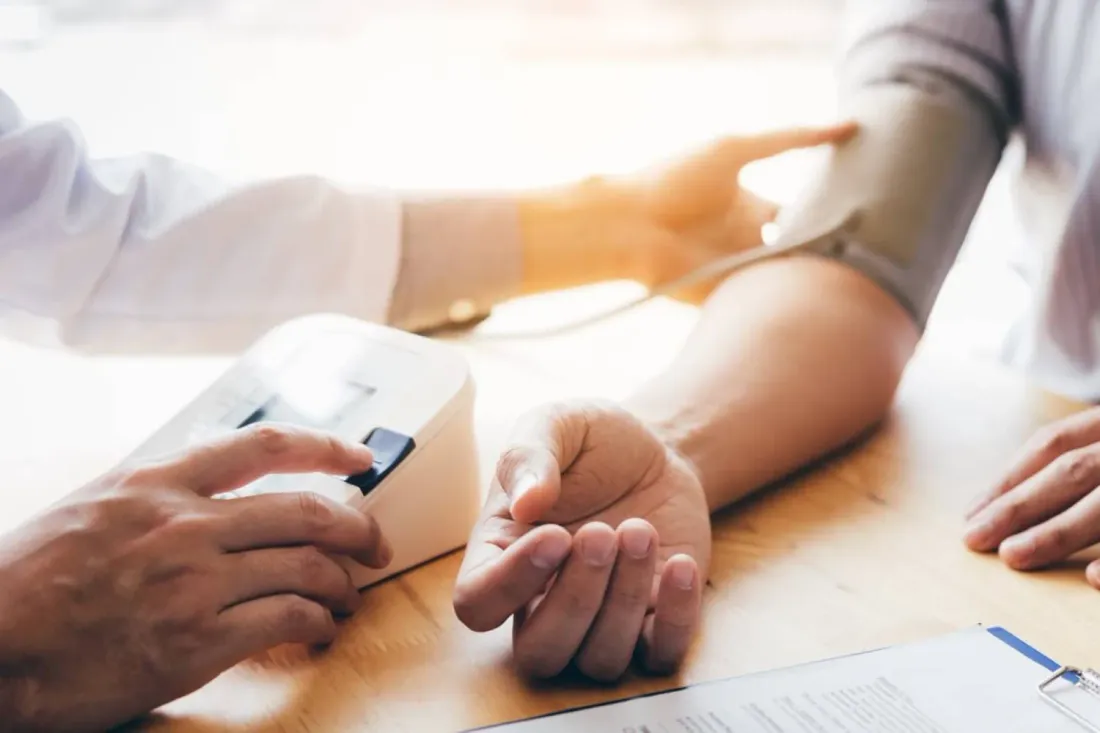
To test AI’s ability to predict these crises, the researchers used a portable device equipped with an arm cuff to measure blood pressure, along with another device worn around the wrist to monitor cardiovascular indicators, such as heart rate and heart rate variability.
The devices collected repeated blood pressure readings during daily activities and sleep. An AI model then analyzed the data to identify patterns associated with an increased likelihood of a crisis within the following 72 hours. When the risk level rose, the system sent an alert to the doctor, who could contact the patient, review their symptoms, and adjust medication doses when necessary.
The study included 4,190 men and women aged 40 to 85 who had stage 2 hypertension. The participants’ average age was 62.
During a 12-month follow-up period, the researchers recorded 418 hypertensive crises among 312 participants, representing approximately 7 percent of the total study population. The results showed that the model could distinguish between people at higher and lower risk of experiencing a crisis up to 72 hours before it occurred.
Around 32 percent of those who received high-risk alerts went on to experience a hypertensive crisis, while 97.4 percent of those who received no alerts did not experience one.
The study identified two indicators associated with an increased risk. The first was the absence of a drop in blood pressure during sleep, contrary to the normal decline expected during periods of rest. This pattern was associated with a fivefold increase in the likelihood of a crisis.
The second indicator was a rise in blood pressure of more than 35 mmHg after waking, compared with nighttime levels. This was associated with a fourfold increase in the likelihood of experiencing a crisis.
The findings also showed that early medical intervention may help reduce complications. Hypertensive crises fell by approximately 61 percent, while emergency department visits declined by around 45 percent among patients whose doctors responded to the system’s alerts and adjusted their treatment within 24 hours, compared with those who did not receive early intervention.
The researchers noted that for decades, hypertension management has relied on measurements taken at specific points in time, even though warning signs may go undetected before serious complications occur. Digital technologies may provide a more detailed picture of blood pressure patterns between medical appointments, helping strengthen personalized care and improve treatment monitoring and medication adherence.
𝗦𝗼𝘂𝗿𝗰𝗲: 𝗮𝗮𝘄𝘀𝗮𝘁