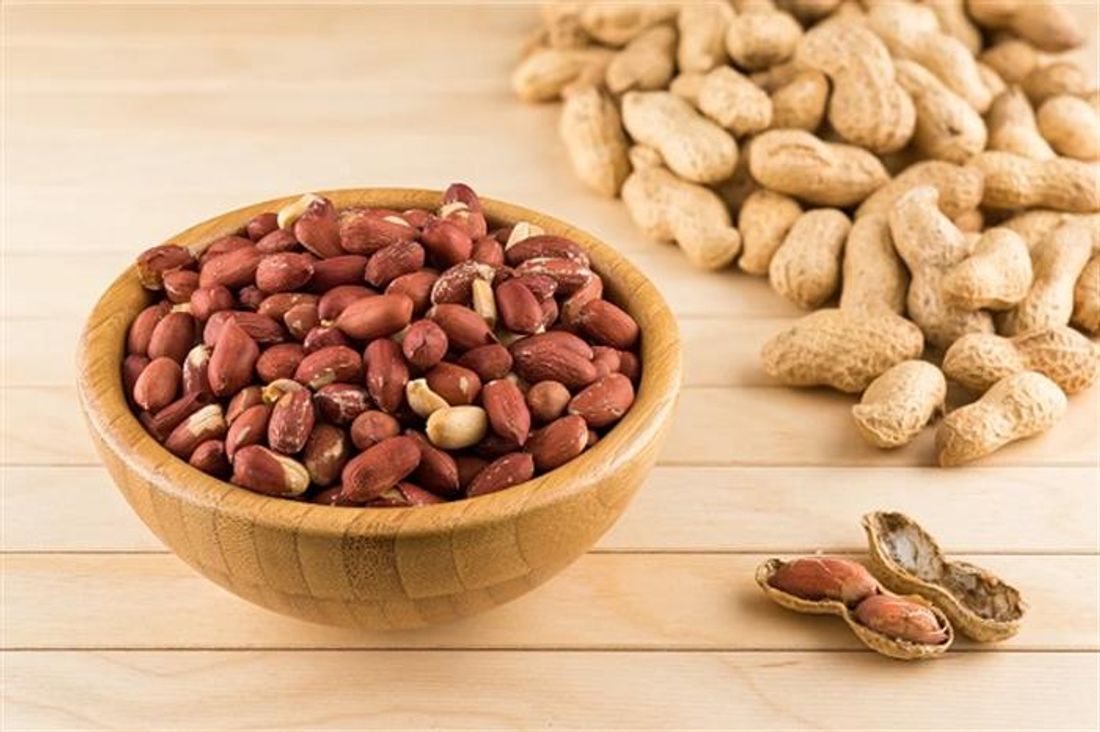
The benefits of peanuts extend beyond their nutritional value, which includes vitamins, minerals, and healthy fats, to encompass brain health and cognitive function. Recent research has revealed that eating peanuts daily may help improve memory and enhance mental abilities, in addition to potentially reducing age-related cognitive decline.
A study published in the journal Food & Function found that consuming two daily servings of roasted, unsalted peanuts, equivalent to approximately 60 grams, improves the insulin response in brain regions associated with memory, according to the New York Post.
Insulin plays a crucial role in brain function, as it is involved in processes related to memory, learning, and communication between nerve cells.
In comments to SciTechDaily, Dr. Peter Joris, the study’s lead author, explained: “As people age, the brain may become less responsive to insulin, a condition that has been linked to age-related cognitive decline.”
𝗧𝗵𝗲 𝗕𝗿𝗮𝗶𝗻 𝗛𝗲𝗮𝗹𝘁𝗵 𝗕𝗲𝗻𝗲𝗳𝗶𝘁𝘀 𝗼𝗳 𝗣𝗲𝗮𝗻𝘂𝘁𝘀
Peanuts offer numerous benefits for brain health thanks to their functional compounds, which have demonstrated the ability to support memory, improve cognitive abilities, and protect against diseases and cognitive decline. They are also rich in a variety of vitamins, minerals, antioxidants, and plant-based proteins.
This unique nutritional combination has made peanuts a subject of considerable interest among nutritionists and doctors, as well as people looking for a simple food that offers significant benefits for brain health.
Research conducted by the University of South Australia suggests that consuming between two and three ounces of peanuts daily, equivalent to approximately 56 to 85 grams, helps improve cognitive function and blood circulation in the brain.
After just 12 weeks, participants in the study demonstrated improvements in short-term memory and their ability to process and respond to new information. They also showed an enhanced ability to associate and recall words.
The findings of this study, published in the journal Nutritional Neuroscience, suggest that peanuts may be one of the keys to maintaining mental sharpness.
𝗡𝗶𝗮𝗰𝗶𝗻 𝗮𝗻𝗱 𝗩𝗶𝘁𝗮𝗺𝗶𝗻 𝗘 𝗳𝗼𝗿 𝗣𝗿𝗼𝘁𝗲𝗰𝘁𝗶𝗼𝗻 𝗔𝗴𝗮𝗶𝗻𝘀𝘁 𝗔𝗹𝘇𝗵𝗲𝗶𝗺𝗲𝗿’𝘀 𝗮𝗻𝗱 𝗖𝗼𝗴𝗻𝗶𝘁𝗶𝘃𝗲 𝗗𝗲𝗰𝗹𝗶𝗻𝗲
The benefits of peanuts are not limited to improving brain function in the present; they may also help protect the brain against age-related cognitive decline.
Peanuts are an excellent source of niacin and a good source of vitamin E, two nutrients that have been shown to contribute to protection against Alzheimer's disease and age-related cognitive decline.
𝗘𝗮𝘁𝗶𝗻𝗴 𝗣𝗲𝗮𝗻𝘂𝘁𝘀 𝗠𝗮𝘆 𝗛𝗲𝗹𝗽 𝗠𝗮𝗶𝗻𝘁𝗮𝗶𝗻 𝗔𝗹𝗲𝗿𝘁𝗻𝗲𝘀𝘀
Peanuts are known to be rich in healthy unsaturated fats, one of the reasons they are beneficial in reducing the risk of cardiovascular disease.
However, the benefits of these fats are not limited to heart health. They also provide the body with energy, helping combat fatigue and maintain activity and alertness.
𝗣𝗼𝗹𝘆𝗽𝗵𝗲𝗻𝗼𝗹𝘀 𝗶𝗻 𝗣𝗲𝗮𝗻𝘂𝘁𝘀 𝗠𝗮𝘆 𝗕𝗼𝗼𝘀𝘁 𝗠𝗼𝗼𝗱
In addition to their distinctive taste, peanuts may also help improve mood thanks to their content of polyphenols, compounds that reach brain regions responsible for learning and memory.
These compounds help increase blood flow to the brain, enhancing cognitive abilities and improving mood. They may also help alleviate symptoms of depression.
The nutritional value of peanuts goes beyond their role as a good and convenient source of protein. They are also rich in L-arginine, an amino acid that helps produce nitric oxide, which plays a role in supporting learning and memory processes.
𝗔𝗻𝘁𝗶𝗼𝘅𝗶𝗱𝗮𝗻𝘁𝘀 𝗮𝗻𝗱 𝗦𝗹𝗼𝘄𝗶𝗻𝗴 𝘁𝗵𝗲 𝗔𝗴𝗶𝗻𝗴 𝗣𝗿𝗼𝗰𝗲𝘀𝘀
Thanks to their high antioxidant content, peanuts may help slow the aging process by reducing inflammation, which may help preserve the length of telomeres, the protective caps found at the ends of chromosomes.
As people age, telomeres gradually become shorter, a process that may contribute to the development of several age-related diseases, including cancer, type 2 diabetes, and heart disease.
𝗦𝗼𝘂𝗿𝗰𝗲: 𝗮𝗮𝘄𝘀𝗮𝘁